













Ethnic minority-owned businesses are contributing as much as £74 billion a year to the UK economy, according to new figures unveiled at a national business summit last Friday (12 September).
The data, shared at the UK Inclusive Sourcing Summit held in London last week, shows that these businesses employ more than three million people, pay nearly £5 billion in annual corporation tax, and are far more likely to engage in innovation compared to other firms of a similar size.
The event came just a day before a series of anti-immigration protests across several UK cities reignited debate around migration over the weekend. But business leaders and researchers at the summit urged the public to look beyond political rhetoric, while highlighting how ethnic minority-owned businesses (EMBs) are critical drivers of the UK’s economic growth and innovation.
“Economic contribution is not a matter of opinion. It’s a matter of evidence,” said Reshma Sheikh, Managing Director of MSDUK, the organisation behind the summit. “These businesses are a vital part of the UK economy and the innovation ecosystem.”
INCLUSIVE PRACTICES KEY TO UNLOCKING BILLIONS
According to research presented during the event, 30% of ethnic minority-owned businesses report innovation activity, nearly triple the rate seen among non-EMBs. Economists say this higher innovation rate strengthens the UK’s competitiveness in key industries and supports the country’s ambition to become a global leader in sustainable growth and digital transformation.
Even small policy shifts could make a significant impact. The data suggests that a 1% increase in SME growth – if driven by inclusive practices – could unlock an additional £2.5 billion in economic value.
SUPPORTING DIVERSE BUSINESSES KEY TO GROWTH
“The opportunity here is enormous, and it’s right in front of us,” shared one policy analyst attending the event. “We need to make sure procurement systems, regulations, and finance are aligned to support diverse businesses.”
The two-day summit, held at the historic Guildhall, brought together over 600 attendees. They included senior leaders from major corporations such as Amazon, Accenture, Nestlé, EY, and Siemens, alongside representatives from the Cabinet Office and the City of London Corporation. More than 300 small and diverse businesses took part, engaging directly with procurement and supply chain teams during roundtable discussions hosted by EY, Nestlé, and RBC Royal Bank. Topics ranged from onboarding complexity to compliance challenges and funding barriers.
“Corporates are starting to listen – not just with interest, but with intent,” said another founder attending the event. “It’s encouraging to see that doors are opening, but there’s still work to be done.”
SUCCESS STORIES
The summit also highlighted a range of successful minority-owned businesses, including:
- Gibbs Consulting, Europe’s largest ethnic minority-owned firm
- Combat2Coffee, a veteran-led social enterprise helping ex-service personnel transition into civilian life
- Ventures supported by OutBritain, Veteran UK, and WEConnect International
Adding to the momentum was a keynote from Olympic legend Kriss Akabusi MBE, who delivered a passionate talk on leadership, resilience, and collective progress. “It’s not about where you started,” Akabusi told attendees. “It’s about where you’re going – and who you bring with you.”
THE BUSINESS CASE FOR INCLUSION
The event was more than just a conference – it was a call to action, said the organiser. With MSDUK preparing to celebrate its 20th anniversary in 2026, the focus is now on transforming summit outcomes into tangible policy and commercial change. This includes encouraging both government and private sector leaders to build supplier diversity into their core strategies, from procurement targets to leadership training.
“Diversity and inclusion are not separate from the business case – they are the business case,” said Sheikh. “If we’re serious about growth, resilience, and innovation, we need to be serious about inclusion too.”
As political tensions continue to shape the national discourse, the summit served as a timely reminder that the UK’s future prosperity may well depend on embracing the very communities that are too often sidelined in public debate.
RELATED ARTICLES
A new report has revealed a stark lack of ethnic diversity among the top business leaders in the UK and US, with just 6% of FTSE 100 Chairs and 13% of S&P 100 Chairs identifying as ethnically diverse.
Black and ethnic minority entrepreneurs face more obstacles setting up and running their businesses than their White counterparts, despite having a more robust entrepreneurial spirit.
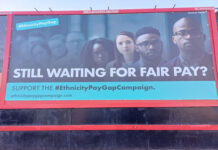
The UK observes Ethnicity Pay Gap Day today (on 8 January 2025), addressing the persistent inequities faced by ethnic minority professionals in the workplace.
Although the number of ethnic minority professionals in top positions continues to steadily rise, the slow progression of Black leaders is concerning.
Sign up for our newsletter