









Barbie has introduced its first autistic doll, marking a significant step for representation and inclusion in the toy industry.
The doll was developed over 18 months in partnership with the Autistic Self Advocacy Network (ASAN), a disability rights organisation run by and for autistic people. Mattel says the aim is simple: to help more children see themselves reflected in the toys they play with.
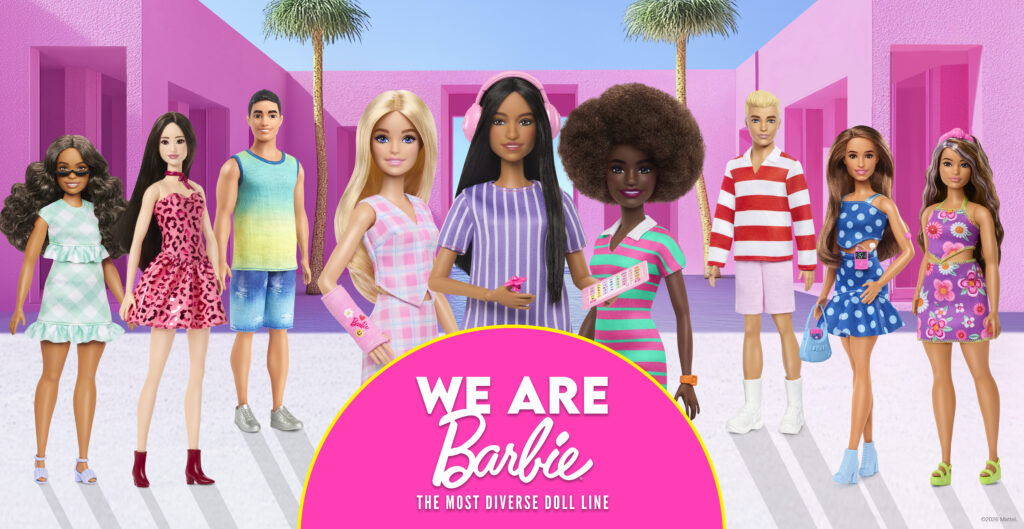
The new release joins the Barbie Fashionistas line, which already includes dolls with a wide range of skin tones, body types, medical conditions and disabilities. In recent years, this shift has been closely watched by campaigners and analysts, which has examined how inclusive Barbie releases – from role-model scientists to STEM-focused dolls – are reshaping ideas of representation in play, as reported.
“Barbie has always strived to reflect the world kids see and the possibilities they imagine,” said Jamie Cygielman, Global Head of Dolls at Mattel. “We’re proud to introduce our first autistic Barbie as part of that ongoing work. The doll, designed with guidance from the Autistic Self Advocacy Network, helps to expand what inclusion looks like in the toy aisle and beyond because every child deserves to see themselves in Barbie.”
DESIGNED IN COLLABORATION WITH THE AUTISTIC COMMUNITY
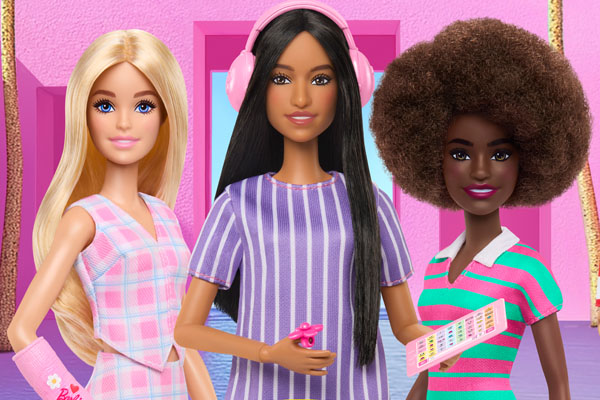
Unlike many previous attempts at representation, autistic voices directly shaped this doll’s design. Working closely with ASAN, Mattel’s design team made deliberate choices to reflect experiences that many autistic people recognise. The doll features articulated wrists and elbows that allow it to perform stimming movements such as hand flapping, and it angles its gaze slightly to the side to reflect how some autistic people avoid sustained eye contact.
The accessories are equally intentional. The doll includes a functional finger-clip fidget spinner, pink noise-cancelling headphones and a tablet displaying symbol-based Augmentative and Alternative Communication (AAC) apps. The designers also created the clothing to be sensory-considerate. A loose-fitting purple A-line dress reduces fabric-to-skin contact. Flat shoes support comfort and stability.
REPRESENTATION MATTERS
“As proud members of the autistic community, our ASAN team was thrilled to help create the first-ever autistic Barbie doll,” said Colin Killick, executive director of the Autistic Self Advocacy Network. “It is so important for young autistic people to see authentic, joyful representations of themselves. That’s exactly what this doll is.”
Partnering with Barbie “allowed us to share insights and guidance throughout the design process to ensure the doll fully represents and celebrates the autistic community, including the tools that help us be independent,” added Killick. “We’re honoured to see this milestone come to life. We will keep pushing for more representation like this that supports our community in dreaming big and living proud.”
The launch follows years of discussion about how toys shape children’s understanding of difference. Research commissioned by Barbie with Cardiff University suggests doll play activates areas of the brain linked to empathy and social processing. Mattel says these findings support the idea that inclusive dolls benefit all children, not just those who identify directly with them.
INCLUSION IN PLAY
Wider coverage of Barbie’s evolution echoes this argument, with fairplaytalks.com exploring how inclusive Barbie releases — including dolls celebrating STEM careers and diverse role models — can broaden children’s ideas about identity, ability and aspiration.
To mark the launch, Barbie partnered with autistic advocates and creatives, including autism advocate and entrepreneur Madison Marilla, fashion designer Aarushi Pratap, and mother-daughter advocates Precious and Mikko Mirage.
Mattel recently released a short film capturing their reactions on its YouTube channel. “Dolls have always brought me comfort, stability, and joy,” said Madison Marilla. “I’ve been collecting Barbie dolls since I was four years old, and now this autistic Barbie will be one of my favourites. My good friend said these words to me, let yourself out and don’t hold yourself in, and it taught me how to educate people about autism. This autistic Barbie makes me feel truly seen and heard. I hope all the kids I’ve mentored feel the same when they see her. And I hope people who aren’t autistic feel educated and gain a better understanding of autism when they see this doll.”
BUILDING CONFIDENCE & CONNECTION
To accompany the launch, Mattel will donate more than 1,000 autistic Barbie dolls to paediatric hospitals across the US, including Children’s National Hospital in Washington DC, Children’s Hospital Los Angeles and Rady Children’s Hospital Orange County.
According to Mattel, the donations aim to provide comfort, joy, and representation, and they reinforce the role of play in building confidence and connection.
For many families and advocates, it represents more than a new product. It signals a continued shift in how one of the world’s most recognisable brands responds to calls for authenticity, inclusion and ethical play – a shift that commentators have argued is long overdue, but increasingly impossible to ignore. The autistic Barbie is now available via Mattel’s online store and major retailers.
RELATED ARTICLES
Toymaker Mattel has launched a line of Barbie role model dolls to celebrate female scientists; and inspire girls into STEM careers.
Mattel and Virgin Atlantic have announced the release of three new Barbie dolls to encourage young girls to pursue careers in aviation and STEM.
Mattel has announced that 80% of its global games portfolio will be colourblind accessible by the end of the year and 90% in 2025, as part of its commitment to create more inclusive play experiences.
Mattel brand American Girl has introduced a new doll and book line in a bid to champion equality and promote unity across the US.