









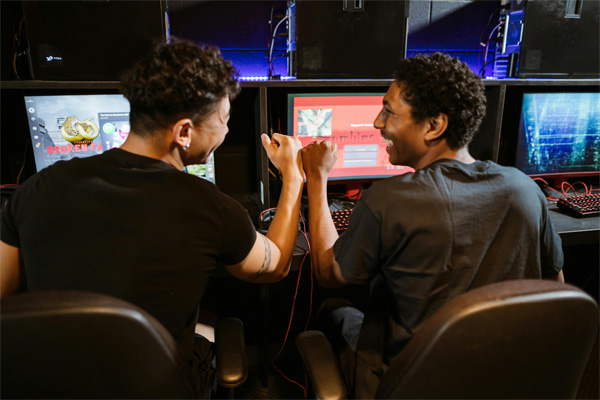
Hispanic gamers are proving to be a marketing powerhouse, but their voices and faces remain underrepresented in the games they love, reveals a new study.
The new industry report, commissioned by Portal Latino, reveals that US Hispanic mobile gamers drive exceptional engagement and brand recall, arriving at a moment when the gaming industry is finally confronting the gap between audience influence and authentic representation.
The study, conducted by the Cultural Inclusion Accelerator (a division of urVETTED), found that Hispanic consumers spend an average of 56 minutes per day playing mobile games, with eight in 10 playing at least weekly. Advertisements placed inside games generated 30% higher engagement and 60% stronger brand recall compared with the same ads in social feeds, and Hispanic mobile gamers were 20% more likely to purchase products they saw advertised in‑game than on social platforms.
“In an increasingly fragmented media environment, consistently delivering performance is challenging,” said Carolina Strifling, Co-Founder of Portal Latino. “Gaming has emerged as a sleeping giant of attention, combining scale with immersive engagement. When a user chooses to watch your ad, it’s not interruption, it’s permission. And when that converges with the growth of the Hispanic segment, gaming shifts from a tactical channel to a strategic growth imperative.”
Carlos Santiago, Co-Founder of the Cultural Inclusion Accelerator, said the findings demonstrate that mindset plays a critical role in effectiveness. “Mobile gaming is an untapped growth channel for brands,” Santiago said. “It adds incremental reach and higher-quality exposure with the high-frequency US Hispanic audience. The relax-and-unwind mindset inside games creates conditions that volatile social feeds simply can’t replicate.”
The findings also suggest gaming is not simply an entertainment outlet but a powerful engagement environment, particularly for Hispanic audiences. But advocates say the report also highlights a deeper contradiction: Hispanics are among the most active gamers in the United States, yet remain underrepresented in game content, development roles and leadership.
A GROWING AUDIENCE WITH LIMITED VISIBILITY
According to the National Hispanic Media Coalition, roughly 72% of US Hispanics age 13 and older identify as gamers, and Latinos are significantly more likely than other groups to cite gaming as a primary source of entertainment. Yet representation within games and the companies that create them tells a different story.
Independent diversity analyses, also show that generally people of colour, as well as from the LGBTQ+ and disabled community are also severely underrepresented in gaming. For example, statistics from Wifi Talents’ latest survey shows that:
- Roughly 61% of game characters are White, while underrepresented characters remain few.
- About 8% are Black, 7% Latinx and 12% Asian.
- Only about 2% of characters are LGBTQ+.
- Less than 1% of characters have a visible disability.
- Women remain underrepresented as protagonists, with roughly 79% of protagonists male in top‑selling games.
The gaming workforce also reflects similar imbalances. For example, about 70–71% of US game developers identify as White, with 7% Hispanic/Latino, 4–8% Black and roughly 14% Asian/Asian American. Women and people with disabilities also remain underrepresented. These figures reveal what some advocates describe as gaming’s “diversity paradox”: the player base is diverse, but power structures and people behind the games are not.
WANTED: TRANSPARENCY IN HIRING
In response, advocacy groups have begun formal efforts to reshape representation. The Latino Representation in Gaming Coalition – led by the National Hispanic Media Coalition and partners including the Hispanic Heritage Foundation – is calling for transparency in hiring, greater Latino participation in development roles, and more authentic portrayals of Hispanic identity in gaming narratives.
The coalition argues that gaming, now one of the largest global entertainment sectors, influences culture, identity formation and economic opportunity, making representation a structural issue, not merely aesthetic.
The industry has faced similar scrutiny across other diversity fronts. In 2022, luxury brand Burberry partnered with Gen Z creators to champion women’s inclusivity in gaming, highlighting gender imbalances in esports and online gaming spaces, as reported. That same year, players mobilised in organised efforts to confront racism and toxic behaviour within multiplayer environments, pushing publishers to strengthen moderation policies and accountability systems, as reported here.
AVOIDING ‘LATINO COATING’ RISKS
At the marketing level, however, experts warn that targeting diverse audiences without authentic engagement can backfire. The Hispanic Marketing Council has cautioned brands against what it calls “Latino coating” layering superficial cultural elements onto campaigns without deep strategic understanding or meaningful representation, as reported.
The council describes Latino coating as a form of cultural appropriation that offers “a mere illusion of inclusivity” by adding Latino elements without genuine respect for culture and context. With the US Hispanic market representing an estimated $3.2 trillion in GDP, the council argues that authentic inclusion is both an ethical and economic imperative.
INCLUSION: A BUSINESS ISSUE
The Portal Latino study reframes Hispanic gamers as a high‑value audience delivering measurable advertising outcomes. But the broader business case extends beyond ad performance. Research across entertainment industries shows that diverse storytelling can:
- Strengthen emotional engagement
- Increase player loyalty and retention
- Expand global market reach
- Foster innovation through varied creative perspectives
Surveys of gamers consistently find widespread demand for more inclusive representation: a substantial share of players want more diverse characters and narratives in games, and many Black, LGBTQ+ and other underrepresented gamers report feeling stereotyped or unseen in mainstream titles. In other words, representation is increasingly tied to long‑term brand equity.
HOW TO ADVANCE INCLUSIVE REPRESENTATION IN GAMING
Industry advocates, diversity researchers and coalition leaders outline several practical steps gaming companies can take to move from performative gestures to structural inclusion:
1. Diversify hiring pipelines and leadership
- Partner with Hispanic‑serving institutions, HBCUs and diverse tech programmes.
- Fund paid internships and mentorship pipelines.
- Track diversity metrics across senior leadership and creative directors, not only entry‑level roles.
- Publish transparent workforce data annually.
2. Commit to nuanced character development
- Avoid relying on cultural stereotypes or one‑dimensional backstories.
- Include Latino, Black, Asian and LGBTQ+ characters across genres, not only in culturally specific storylines.
- Integrate cultural consultants early in narrative design rather than at final review stages.
- Provide inclusive character customisation options that reflect race, gender identity and body diversity.
3. Address toxicity and harassment
- Strengthen moderation systems to combat racism, sexism and anti‑LGBTQ+ harassment.
- Improve reporting transparency.
- Empower diverse community moderators and esports leaders.
- Establish zero‑tolerance policies for hate speech in multiplayer environments.
4. Invest in diverse creators and founders
- Sponsor and fund Latino, Black and LGBTQ+ streamers and esports competitors.
- Launch accelerator programs for underrepresented indie studios.
- Provide venture funding pathways for diverse game entrepreneurs.
- Ensure marketing campaigns highlight diverse creators authentically.
5. Align marketing with cultural respect
- Avoid tokenism or superficial cultural references.
- Develop campaigns collaboratively with multicultural agencies and advisors.
- Measure cultural resonance and sentiment alongside click‑through rates.
- Integrate inclusive storytelling into brand identity year‑round.
6. Tie inclusion to executive accountability
- Establish advisory boards composed of diverse gamers and developers.
- Tie executive compensation to measurable diversity goals.
- Set public benchmarks for improvement across hiring, promotion and content representation.
REPRESENTATION MATTERS
Gaming is no longer a niche hobby, it is a global cultural force. Hispanic, Black, Asian and LGBTQ+ communities are not emerging audiences; they are already central to the industry’s growth.
The Portal Latino study highlights a clear opportunity. Hispanic gamers deliver strong engagement and purchasing power within immersive environments. But the broader moment calls for more than advertising optimisation.
If gaming companies align representation, leadership and storytelling with the diversity of their player base, they will not only strengthen social credibility but also unlock sustainable long‑term growth. Inclusion, advocates argue, is not a side quest. It is the next level.
RELATED ARTICLES
HMC warns marketing and advertising chiefs in the US to stop ‘Latino coating’ and properly prioritise the Hispanic market.
Burberry and Gen.G announce the launch of an educational series to champion women and the importance of inclusivity within gaming.
Gamers band together to eliminate racism from gaming.
Authentic representation and respect are crucial to connect with diverse audiences, reveals study.