















The UK’s Neurodiverse Business Awards shine a powerful spotlight on neurodivergent talent and the employers leading the way on inclusion, as new research exposes the urgent need for change across the workplace.
The winners of the inaugural Neurodiverse Business Awards have been revealed during Neurodiversity Celebration Week 2026, marking a major milestone in a growing national movement to recognise neurodivergent talent and the organisations championing inclusion across the UK workforce.
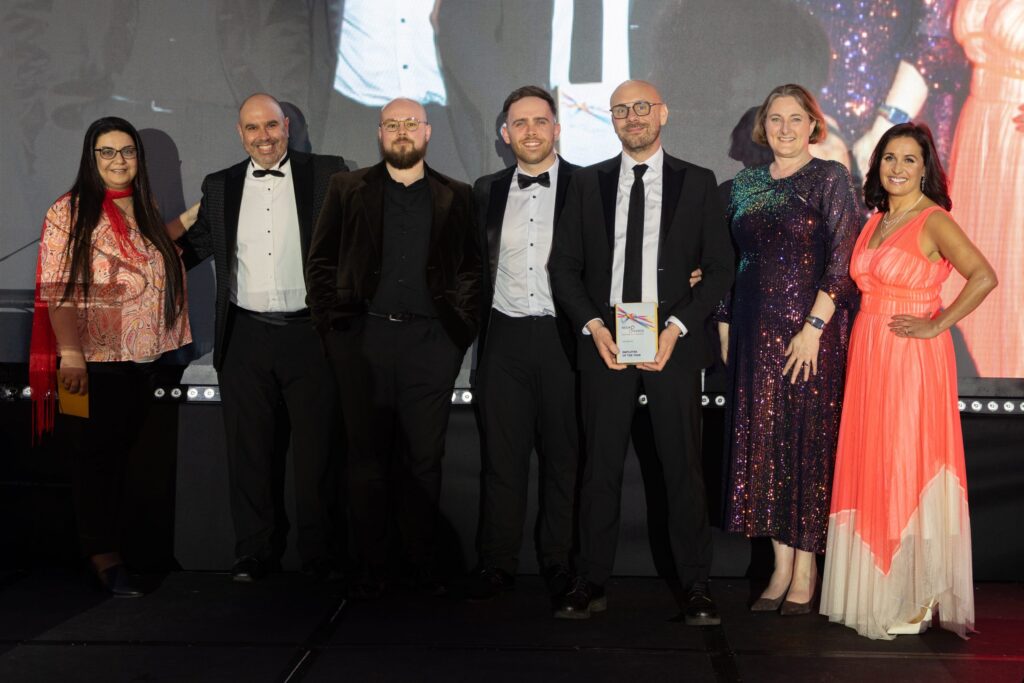
Held on 18 March at the Grand Connaught Rooms in Covent Garden, London, the awards brought together more than 450 business leaders, celebrating 18 winners selected from over 400 nominations.
Drawing on insights from leading voices on neurodiversity, as well as new research, this year’s Neurodiversity Celebration Week 2026 highlights a clear message: while awareness is growing, many workplaces are still not designed to support neurodivergent employees.
NEURODIVERSITY AT WORK
The launch of the Neurodiverse Business Awards comes at a critical time. An estimated 15–20% of the population is neurodivergent, yet representation in employment remains disproportionately low:
- Just 56% of working-age neurodivergent people are in full-time work
- Falling to 31% for autistic people
Even among those in employment, many feel compelled to mask their neurodivergence or remain silent due to fear of stigma.
UNTAPPED TALENT
The awards shine a spotlight on what many experts describe as one of the UK’s most underutilised talent pools. According to the Neurodiverse Business Awards, research shows neurodivergent employees can be 90–140% more productive than neurotypical peers in certain roles and often make fewer errors, yet:
- Only one in three feel well supported at work
- Three in 10 have not disclosed their neurodivergence
At a time of skills shortages and productivity challenges, this represents a significant opportunity for employers.
RECOGNISING & VALUING NEURODIVERGENT TALENT
“With the employment gap for neurodivergent people remaining stubbornly wide, these Awards shine a much-needed light on what becomes possible when employers embrace neurodiversity to unlock talent and potential,” said Kirsty Matthews, CEO of DFN Project SEARCH, the official charity partner of the awards.
The Awards “celebrate exactly what we work towards every day at DFN Project SEARCH: a UK job market where neurodivergent talent is recognised and valued,” added Matthews.
CELEBRATING EXCELLENCE & NEUROINCLUSION
The full list of winners reflects the breadth of organisations and individuals driving neuroinclusion across the UK. The winners, by category, include:
- Business Leader of the Year: Alex Harvey, Ocado Group
- Team Leader of the Year: Julie Blackshaw, Wired Differently
- Neurodiversity Network of the Year (Private Sector): Neurodiversity Community, Lloyds Banking Group
- Advocate of the Year: Dr Venessa Bobb-Swaby, A2ndvoice CIC
- Innovator of the Year: Ryan Hoare, Try Mosaic
- Ally of the Year: Catherine Hinwood, NHS England
- Entrepreneur of the Year: Hanan Tantush, Intotum
- Trailblazer of the Year: Jonathan Andrews, Reed Smith/London Borough of Bromley
- Champion of Women Award: Hazel Lim, Chinese Autism CIC
- Neurodiversity Network of the Year (Public Sector/Non-Profit): Neuro PCG, Westminster City Council
- Outstanding Achiever of the Year: Emma Dalmayne, Autistic Inclusive Meets
- Rising Star of the Year: Zara Richardson, EY
- Role Model of the Year: Harry Jones, Accessible Events
- Campaign or Initiative of the Year: Neurodiversity in Law
- Wellbeing Champion of the Year: Kirsten Jack, Uncommon
- Young Leader of the Year: Alexandra Bosch, NHS England
- Inspiration of the Year: Dan Bird, Lloyds Banking Group
- Employer of the Year: AstraZeneca
FROM CELEBRATION TO ACTION
“The Neurodiverse Business Awards exist to make visible a talent group that has been overlooked for far too long, and to change the narrative around neuroinclusion,’ shared Ben Rossi, Founder of the Neurodiverse Business Awards. “Neurodivergent people bring extraordinary strengths to the workplace, yet many remain underemployed or misunderstood, not because of a lack of ability but because systems and perceptions have failed to keep pace.”
The timing of the awards during Neurodiversity Celebration Week reinforces a broader message: awareness must now translate into action. The latest coverage on Fair Play Talks, reveals that communication, leadership and workplace design remain the biggest barriers for neurodivergent employees, and employers need to do more to support neurodiversity at work.
A PRACTICAL GUIDE FOR EMPLOYERS: HOW TO SUPPORT NEURODIVERGENT TALENT AT WORK
For organisations looking to move from awareness to action, experts point to a number of practical steps:
1. Improve communication clarity
Use clear, structured communication rather than relying on ambiguity or speed. Prioritise understanding over immediacy.
2. Offer flexibility in how work is done
Focus on outcomes rather than rigid processes. Allow employees to work in ways that suit how they think and process information.
3. Train managers to lead inclusively
Equip leaders with the skills to understand neurodiversity, have open conversations and provide meaningful support.
4. Normalise conversations about ways of working
Encourage employees to share what helps them perform at their best — not as a one-off adjustment, but as an ongoing dialogue.
5. Create psychologically safe environments
Ensure employees feel able to be open without fear of stigma or negative career impact.
6. Provide the right tools and adjustments
Technology and small adjustments can significantly reduce cognitive load and improve performance.
7. Support caregivers as well as employees
Recognise the needs of parents and caregivers of neurodivergent children through flexibility and supportive policies.
THE BIGGER PICTURE
Neurodiversity Celebration Week continues to challenge stereotypes and highlight the value of different ways of thinking. The launch of the Neurodiverse Business Awards adds a new dimension – moving beyond awareness to recognition, accountability and action.
For employers, the message is increasingly clear: supporting neurodivergent talent is not just about inclusion, it is about performance, innovation and the future of work.
RELATED ARTICLES
Neurodiversity Celebration Week: What workplaces still get wrong – and what actually helps
Why employers must do more to support neurodivergent talent.
Two major new reports highlight both the strengths of neurodiverse employees and the urgent need for more inclusive workplace practices across the UK.
Seven in 10 employees don’t understand neurodiversity, research reveals.
New study reveals widespread discriminatory behaviour towards neurodivergent employees
Employers in tech massively underestimate neurodivergent talent.
How employers can combat stigmas surrounding neurodiversity at work
How to adapt your communication style to support neurodiversity at work
Neurodiverse community urges businesses to embrace inclusive language