













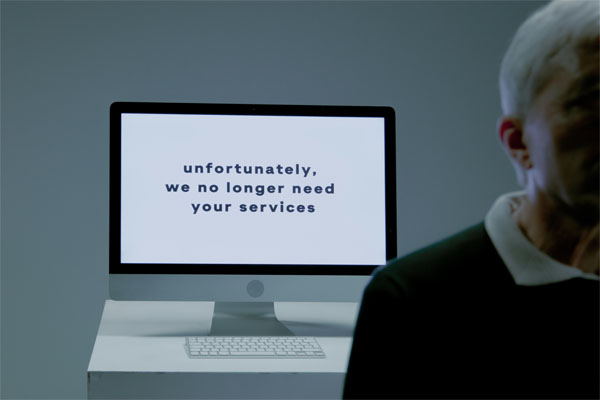
As the 2025 holiday season approaches, millions of workers face an unsettling reality as nearly a third of America’s companies plan to lay off employees before the end of the year, even though the timing can be avoided.
A survey of 1,008 US business leaders by Resume.org reveals that 31% of companies will conduct layoffs between mid-November and December 31 this year. More than half (57%) expect to act between Thanksgiving and Christmas, 43% between Christmas and New Year’s, and 32% before Thanksgiving. Another 16% have not yet finalised timing but plan to execute cuts before 2026.
HARSH TIMING OF LAYOFFS
Many leaders acknowledge the harsh timing of holiday lay-offs could be postponed. Over a third (34%) said layoffs definitely could have waited, while another 40% said they probably could have. Yet companies cite cost-cutting before Q1 (74%) as the primary driver, followed by avoiding bonus payouts (42%) and unused paid time off (35%). Broader economic pressures, company performance, automation or AI initiatives and organisational restructuring also contribute.
Kara Dennison, head of career advising at Resume.org, explains that while year-end layoffs align with budgets and headcount reconciliation, the impact on employees can be devastating. “For the person losing their job, the timing is brutal,” Dennison said. “The holidays magnify stress and lost income combined with seasonal expectations can make the experience feel lonelier.”
AI & SEVERANCE
Technology is playing an increasing role in these decisions. About 69% of companies will use AI to determine which roles to eliminate, and 66% will employ AI in the layoff process itself. Despite this, most companies still prefer personal communication methods, In fact, a quarter (25%) rely on one-to-one in-person meetings, 21% on personalised emails and 16% on virtual one-to-one meetings. Less personal approaches like group virtual meetings or in-person announcements remain less common.
Severance packages are far from universal. Only 58% of companies provide severance to all affected employees, 35% to some, and 6% to none. Among those offering packages, 34% provide two weeks’ pay, 30% offer three to four weeks, and 9% give less than two weeks. Around two-thirds also provide job placement support.
Dennison urges employees to act quickly if they are affected. “Securing unemployment benefits, updating your resume and LinkedIn, and reconnecting with contacts who can open doors can make a meaningful difference,” shared Dennison. “Those who wait until January often fall behind those who use the holiday weeks to prepare.”
UNETHICAL TIMING & PRACTICES
Despite widespread recognition that holiday layoffs are harsh, executives remain insulated from cuts. Eighty-two percent of business leaders confirmed that executives will still receive bonuses this year, and 57% said their companies will host holiday parties. Nearly three-quarters of managers surveyed believe year-end layoffs are unethical, yet the practice continues.
Experts say that companies mindful of the holiday period can ease the emotional and financial impact of layoffs. Providing extended severance, clear communication, outplacement support and flexible timing can help reduce stress for employees. Even small gestures, such as delaying cuts until after the holiday period or offering additional guidance and resources, can significantly soften the blow for staff navigating an already challenging season.
KEY TAKE-AWAYS
- Timing matters: Nearly a third of companies plan year-end layoffs, many of which could be postponed to reduce stress during the holidays.
- AI Is on the rise: 69% of companies use AI to identify roles for elimination, and 66% employ AI in the layoff process.
- Severance varies: Only 58% provide severance to all affected employees; packages typically range from two to four weeks’ pay.
- Executives still receive bonuses: 82% of companies will reward executives despite staff reductions.
- Best practices for employers: Consider delaying layoffs until after the holiday season, offer extended severance, clear communication and outplacement support to minimise employee hardship.
- Employee guidance: Act quickly – secure unemployment benefits, update resumes and use the holiday weeks to network and prepare for next steps.
RELATED ARTICLES
Three in ten companies in the US planning to replace employees with AI by 2026, study shows.
Employees from all generations are feeling overlooked and undervalued, a new global report has revealed.
Nearly half of US workers admit to “revenge quitting” jobs over toxic workplaces and poor leadership, according to a new survey.