















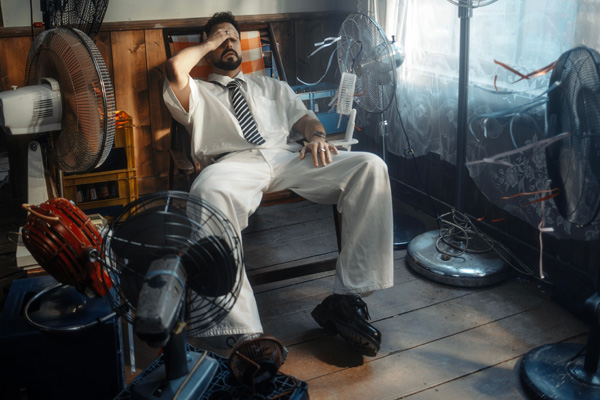
With another heatwave forecast to continue into next week, UK employers are being warned that extreme heat is no longer simply a seasonal inconvenience – it is becoming a foreseeable workplace health, safety and business continuity risk.
As climate scientists warn that heatwaves are becoming more frequent and intense, regulators, employment lawyers and workplace experts say organisations must move beyond reacting to individual hot days and instead embed heat resilience into everyday health, safety and business continuity planning.
For decades, British workplaces were designed to keep heat in rather than out. From Victorian offices and ageing public buildings to warehouses, factories and schools, much of the UK’s infrastructure was built for colder winters rather than prolonged periods of temperatures exceeding 30°C.
However, as climate scientists warn that extreme heat is becoming more frequent and intense, workplace regulators, employment specialists and legal experts say organisations must rethink how they protect employees, maintain productivity and build resilience.
WORKPLACE HEATWAVE RISKS
Speaking during London Climate Action Week and at the Out in Climate event last month, London’s Deputy Mayor for Environment and Energy, Mete Coban MBE, warned that climate change is “no longer just a threat”. He pointed to record-breaking temperatures and increasingly frequent heat alerts as evidence that cities are already experiencing the effects of a warming climate. He said the UK’s buildings and infrastructure were largely designed for a different climate. Coban warned that, unless adaptation accelerates, heatwaves like those experienced this summer could become an increasingly regular occurrence.
The warning comes as businesses across the UK are grappling with workplace heatwave risks, such as overheating offices, disrupted transport, childcare challenges and growing concerns about employee wellbeing during periods of prolonged hot weather. Recent summers have already demonstrated how quickly extreme heat can affect operations.
Schools have closed classrooms because buildings became too hot. Employers have introduced hybrid working and earlier start times, and retailers have invested in cooling systems after high temperatures affected equipment and food storage.
The message from the Health and Safety Executive (HSE), Acas, trade union UNISON and employment law specialists is becoming increasingly clear. Extreme heat and workplace heatwave risks should now be treated like any other foreseeable workplace hazard, HSE warned.
LEGAL DUTIES TOWARDS EMPLOYEES
One of the biggest misconceptions during a heatwave is that UK law specifies a maximum workplace temperature. It does not. Instead, employers have legal duties under the Health and Safety at Work etc. Act 1974 to ensure, so far as reasonably practicable, the health, safety and welfare of employees. The Workplace (Health, Safety and Welfare) Regulations 1992 also require indoor workplaces to be maintained at a reasonable temperature with adequate ventilation and fresh air.
The HSE advises that while there is no legal upper temperature limit, employers must assess risks created by excessive heat and implement practical measures to protect workers. Guidance states that workplaces should generally be at least 16°C, or 13°C where work involves rigorous physical effort. But there is no equivalent legal maximum because every workplace presents different risks.
“Last summer should have been a wake-up call for all employers,” said John Rowe, Deputy Director for Technical Support and Engagement at the Health and Safety Executive. He warned that if the UK continues to experience hotter summers, the impact could be felt across the workforce, affecting both employee health and productivity. “The risks to workers from extreme heat must be properly assessed,” he stated.
The HSE is encouraging employers to review risk assessments before temperatures rise, rather than waiting until employees begin experiencing heat-related illness. The regulator says employers should consult workers, review workplace risk assessments and introduce practical measures before temperatures become excessive. For many organisations, this means reviewing existing health and safety policies to ensure heat is treated as a foreseeable workplace risk rather than an exceptional event.
WORKPLACE TEMPERATURES REVIEW
The legal framework governing workplace temperatures could soon change. The Department for Work and Pensions (DWP) has confirmed it is reviewing workplace temperature regulations, with the Health and Safety Executive (HSE) examining whether existing rules remain fit for purpose as the UK experiences more frequent periods of extreme heat.
A public consultation on potential amendments to the Workplace (Health, Safety and Welfare) Regulations 1992 is expected later this year. The review is significant because current legislation does not set a maximum legal working temperature. Instead, employers are required to maintain a “reasonable” working environment and assess heat-related risks as part of their wider health and safety responsibilities.
As hotter summers become more common, employment specialists say that ensuring workplaces remain safe and comfortable is likely to become an increasingly important consideration for employers, regardless of whether the legal framework changes.
HEAT PLANNING SHOULD BECOME ROUTINE
Employment solicitor Amber Ballans, of Goughs Solicitors, says many employers mistakenly believe action is only required once workplaces become exceptionally hot. Instead, she says organisations should adopt “a proactive rather than a reactive approach” as heatwaves become more common. Ballans explains that while there is no statutory maximum workplace temperature, employers remain under a legal duty to assess and manage heat-related risks. She says effective risk assessments should consider ventilation, hydration, physical demands, personal protective equipment and the needs of vulnerable employees.
Health and safety specialist Zoe Betts, Partner at Pinsent Masons, agrees that employers should not become distracted by the absence of a legal temperature limit. She says the law instead requires organisations to identify reasonably practicable measures that reduce heat-related risks and protect employees.
Betts notes that because workplaces vary enormously – from air-conditioned offices to foundries, commercial kitchens and warehouses – it would be difficult for legislation to impose a single maximum temperature that applied fairly across every sector. Instead, employers should focus on practical controls such as improving ventilation, providing shade, supplying drinking water, allowing additional breaks and introducing flexible working where appropriate.
WHY HEAT IS MORE THAN A COMFORT ISSUE
Many people assume hot weather simply makes work uncomfortable. Occupational health experts say the reality is far more serious. Excessive heat can lead to dehydration, fatigue, muscle cramps, dizziness, nausea, reduced concentration and heat exhaustion. In severe cases, heatstroke can become a life-threatening medical emergency.
Importantly, workplace safety experts point out that thermal comfort depends on far more than room temperature alone. Humidity, airflow, physical activity, clothing, direct sunlight and heat generated by machinery all influence how employees experience hot conditions.
This also explains why there is no universal temperature at which every workplace automatically becomes unsafe. Workers who are pregnant, older, living with disabilities or long-term health conditions, taking certain medications or required to wear personal protective equipment may face greater risks and should receive additional consideration during workplace risk assessments.
FLEXIBILITY CAN PROTECT WELLBEING AND PRODUCTIVITY
Workplace experts at Acas say employers should adopt a pragmatic approach during periods of extreme heat. Chief Executive Niall Mackenzie said the latest weather warnings have made “an uncomfortable week for many people”, adding that some workers with health conditions or disabilities could be particularly affected while disruption to public transport could also make commuting more difficult.
Acas says employers should consider temporary home working where roles allow, earlier or later working hours, additional rest breaks, relaxed dress codes where safe, fans or air conditioning where available and ensuring employees have easy access to drinking water throughout the day. Rather than viewing flexibility solely as an employee benefit, many organisations are increasingly recognising it as an important health and safety measure that can reduce heat exposure while helping maintain productivity.
HEATWAVE IMPACT ON WORKING PARENTS
While much of the discussion around extreme heat focuses on keeping workplaces cool, employers are increasingly being encouraged to think more broadly about how climate-related disruption affects their workforce. Speaking during the recent Out in Climate, Material Evolution’s Director of Marketing, Hayley Moller, shared her experience of arriving at her daughter’s nursery only to discover it would be closed because staff could no longer keep very young children safely cool.
Moller explained that when the nursery announced its closure, families were given only hours to make alternative arrangements. While she and her partner were able to share childcare responsibilities and rely on neighbours for support, she noted that many parents were not so fortunate. “Some parents had to take unpaid leave. Others lost income because their jobs could not be performed remotely,” she shared.
Her experience illustrates how heatwaves can ripple far beyond the workplace. When schools, nurseries or care services close because buildings become unsafe, parents and carers may need emergency flexibility, while businesses can face unexpected staff shortages and operational disruption. For employers, that means preparing not only for rising workplace temperatures but also for wider impacts such as transport disruption, increased caring responsibilities and reduced workforce availability.
CLIMATE ADAPTATION
The experience highlights how climate adaptation is no longer limited to buildings and infrastructure. It is increasingly affecting workforce planning, caring responsibilities and business continuity. Chris Galpin, E3G’s Senior Policy Advisor, UK Energy, added that climate adaptation ultimately comes down to people. He argued that workplace policies are only effective when they reflect the realities employees face during increasingly frequent extreme weather events.
Employers traditionally prepare for disruption caused by snow, flooding or transport strikes. Increasingly, business continuity plans may also need to consider overheating buildings, childcare disruption, transport delays and reduced workforce availability during prolonged heatwaves.
HEATWAVE LESSONS FROM EUROPE
The UK is not the only country adapting to more frequent heatwaves. In countries such as France, Spain and Italy, where prolonged periods of extreme heat are more common, employers routinely adjust working practices during the summer months.
Measures can include earlier start and finish times for outdoor workers, additional rest breaks, shaded rest areas, increased hydration, temporary changes to working hours and formal heat action plans coordinated with public health authorities. While the UK’s climate has historically been cooler, recent summers suggest British employers may increasingly need to adopt similar approaches as temperatures continue to rise.
CLEAR COMMUNICATION AND PRACTICAL PLANNING
Employment advisers increasingly recommend that organisations prepare for heatwaves before temperatures rise. Simple measures can make a significant difference. For example, ensuring employees have access to cool drinking water, encouraging regular hydration, improving ventilation, providing shaded or cooler rest areas and avoiding physically demanding work during the hottest parts of the day.
Employers should also consider whether temporary adjustments – such as hybrid working, earlier start times, revised workloads or emergency leave for caring responsibilities – can help employees remain safe while maintaining business operations. Clear communication is equally important.
Employees should understand what support is available, feel comfortable reporting concerns about excessive heat and know who to contact if they require additional adjustments. Managers also have a vital role in recognising the early signs of heat stress and responding consistently to requests for support.
LOOKING AFTER VULNERABLE WORKERS
Heat affects everyone differently. Pregnant employees, older workers, people with disabilities, those living with long-term health conditions and employees taking certain medication may all experience greater risks during periods of prolonged hot weather.
Employers should ensure risk assessments reflect individual circumstances and consider reasonable adjustments where necessary, recognising that a one-size-fits-all approach is unlikely to be effective.
CORPORATE GOVERNANCE MATTERS
Climate resilience is rapidly becoming part of wider corporate governance. Fair Play Talks has previously reported on organisations integrating climate metrics into executive remuneration, as well as CEOs worldwide prioritising climate and environmental action, as reported. Preparing workplaces for hotter summers represents another dimension of that evolving agenda.
Protecting employees from climate-related risks demonstrates how environmental, social and governance priorities increasingly intersect with workforce wellbeing, operational resilience and long-term business performance. Climate resilience is no longer solely about reducing emissions – it is also about ensuring organisations can continue operating safely and effectively as weather patterns change.
PSYCHOLOGICAL SAFETY MATTERS TOO
Physical safety and psychological safety go hand in hand. Employees should feel able to tell their manager if excessive heat is affecting their health, concentration or ability to work safely without worrying that they will be judged or seen as less committed.
Creating an environment where people feel comfortable raising concerns allows employers to respond early, reducing the likelihood of illness, accidents or unnecessary absence.
Recent research on Fair Play Talks explored how psychologically safe workplaces are associated with stronger employee engagement and retention. Building that culture is likely to become increasingly important as organisations respond to more frequent climate-related disruption. Employees should never feel compelled to work through symptoms of heat exhaustion because they fear being viewed as less productive or less committed.
PREPARING FOR MORE HEATWAVE RISKS
The UK’s employment laws may not define a maximum workplace temperature, but the direction of travel is becoming increasingly clear. As heatwaves become more frequent, employers are expected to move beyond reacting to hot days and instead build climate resilience into the way they manage people, workplaces and wellbeing.
Whether through flexible working, smarter buildings, stronger communication or more comprehensive risk assessments, organisations that adapt now will be better placed to protect their workforce and maintain productivity during the hotter summers that experts increasingly believe will become the UK’s new normal.
As the UK experiences another spell of extreme temperatures, one message is becoming increasingly difficult to ignore: preparing for hotter summers is no longer simply about responding to the next heatwave. It is about building workplaces that are resilient enough to protect people, sustain productivity and adapt to a climate that is already changing.
PRACTICAL STEPS EMPLOYERS CAN TAKE NOW
As temperatures remain high, experts recommend employers should:
- Carry out heat-specific workplace risk assessments.
- Improve ventilation and use blinds, shading or cooling equipment where possible.
- Ensure employees have free access to cool drinking water.
- Allow additional breaks in cooler or shaded areas.
- Adjust physically demanding work to cooler parts of the day.
- Consider temporary home working or flexible working hours.
- Relax dress codes where appropriate while maintaining safety.
- Train managers to recognise the symptoms of heat stress.
- Encourage employees to raise concerns about excessive heat.
- Identify vulnerable workers and make reasonable adjustments where necessary.
- Review business continuity plans to account for childcare disruption, transport delays and potential building overheating during future heatwaves.
As the Deputy Mayor observed during London Climate Action Week, adapting to a warmer climate is no longer a challenge for future generations – it is one employers are increasingly facing today.
RELATED ARTICLES
CEOs worldwide are putting climate and environmental action at the heart of their long-term business goals, study shows.
Businesses that fail to adapt to mounting climate risks could see annual losses of up to $610 billion by 2035, according to two new reports released by the World Economic Forum.
Businesses must adopt a transformative mindset to build resilience if they are to meet their ESG/sustainability goals against a backdrop of increasingly disruptive climate crises, highlights report.
Despite artificial intelligence (AI) accelerating global business transformation, a growing number of companies are struggling to meet their climate targets, according to new research.
Sustainability reporting has become an almost universal practice across the American corporate landscape, according to research.
Companies integrating climate and ESG-related metrics into their executives’ compensation plans more than doubled over the past two years, according to report.
Employers that prioritise psychological safety at work can greatly improve retention rates, especially for women and professionals from marginalised communities, new research has revealed.