










The Kick Big Soda Out campaign is renewing calls for FIFA and other sporting organisations to review partnerships with sugary drink companies, reigniting a wider debate about health, sustainability and responsible sponsorship in sports.
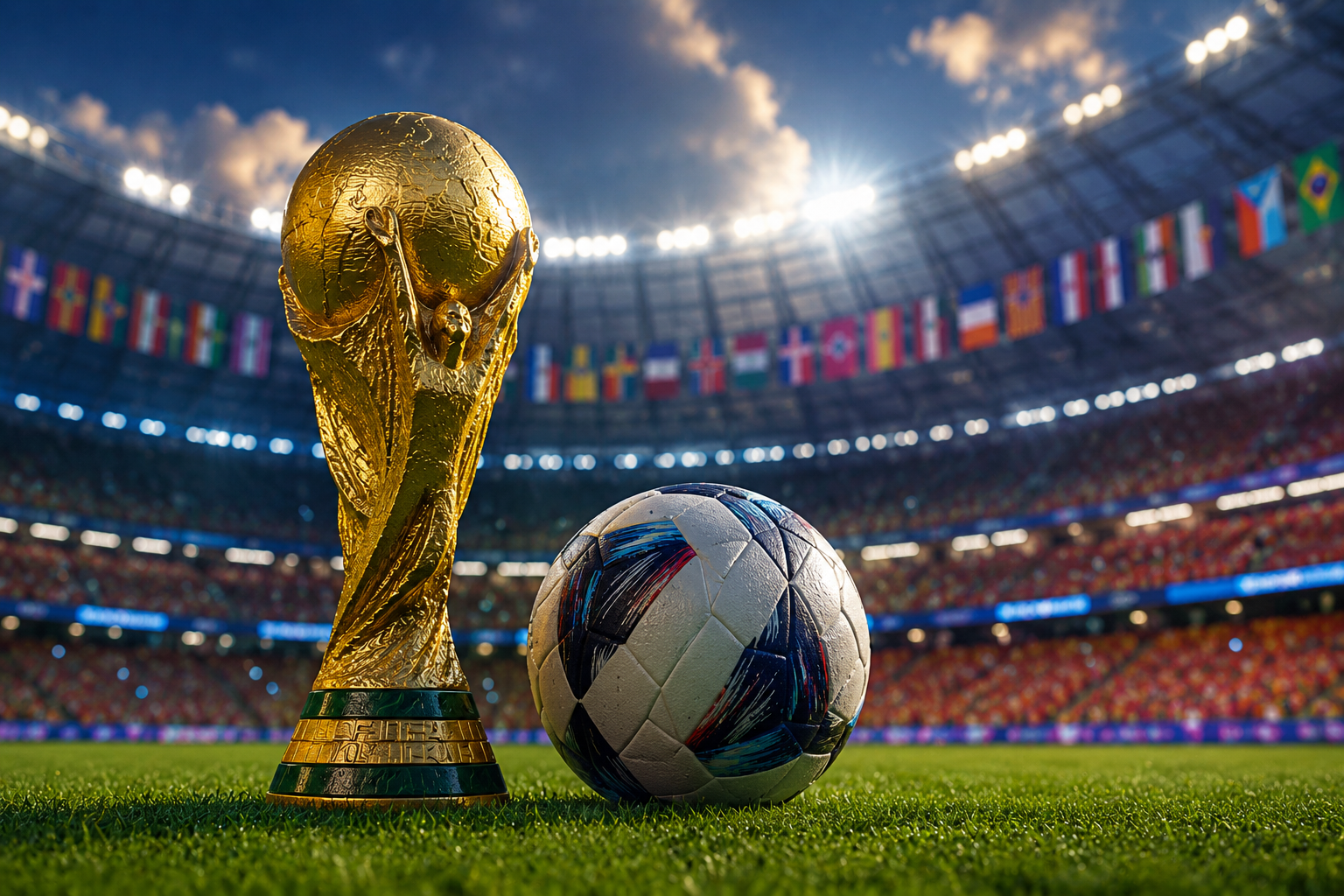
As the 2026 FIFA World Cup kicks off across Canada, Mexico and the United States, a coalition of global health experts and advocates is renewing calls for FIFA to review its partnership with Coca-Cola. Campaigners argue that football’s biggest tournament should not be used to promote sugary drinks, which public health researchers have linked to obesity, Type 2 diabetes and other non-communicable diseases.
The campaign, organised by the Kick Big Soda Out coalition of public health and environmental organisations, comes as millions of fans tune in to matches across North America, providing global exposure for one of the world’s largest soft drink manufacturers. Kick Big Soda Out is backed by a coalition of public health, consumer and environmental organisations. Supporters include Vital Strategies and a range of health advocacy groups that argue sporting organisations should review sponsorship arrangements with companies whose products are linked to poor health outcomes and environmental concerns.
Campaigners argue that Coca-Cola and other sugary drink companies use major sporting events to associate their brands with health, fitness and athletic achievement while marketing products that public health experts have linked to obesity, Type 2 diabetes and other non-communicable diseases. They also point to the environmental impact of the beverage industry, arguing that plastic pollution and waste should form part of the conversation around sports sponsorship.
KICK BIG SODA OUT CAMPAIGN
The campaign highlights what advocates describe as a conflict between FIFA’s promotion of health and sport and its long-standing commercial relationship with Coca-Cola, one of the world’s largest beverage companies. More than 523,000 people and nearly 100 organisations worldwide have joined the Kick Big Soda Out campaign. The movement’s message is simple: “Big Soda is using global sport to sell products that harm our health and flood our planet with plastic. It’s time to show them the red card.”
At the time of publication, FIFA had not publicly responded to the latest calls from health advocates to review its Coca-Cola partnership. The governing body continues to list Coca-Cola among its official partners, with the sponsorship agreement extending through 2030.
Campaigners argue that sponsorship by sugary drink companies sits uneasily alongside sport’s role in promoting health and wellbeing. Coca-Cola, however, has previously stated that it offers a range of beverage choices, including low- and no-sugar products, and has highlighted investments in recycling and sustainability initiatives as part of its environmental commitments. The company has also said its sports partnerships support community engagement, physical activity and fan experiences around major sporting events.
Supporters of sports sponsorship partnerships argue that such agreements help fund sporting events, grassroots participation programmes and fan engagement activities around the world. Critics, however, say sporting organisations should increasingly assess sponsorships against health, environmental and social impact criteria as stakeholder expectations evolve.
GROWING CONCERNS OVER SPORTSWASHING
While FIFA is the focus of current campaigning during the 2026 World Cup, health advocates say the issue extends far beyond football. The campaign reflects a broader debate about the role of corporate sponsorship in global sport. Public health advocates have previously called on the International Olympic Committee (IOC) to reconsider its relationship with Coca-Cola, arguing that partnerships with sugary drink companies are difficult to reconcile with sport’s role in promoting health and wellbeing.
Campaigners describe Coca-Cola’s World Cup presence as a form of “sportswashing” – using the positive associations of football, fitness and athletic achievement to strengthen brand reputation. Coca-Cola and other supporters of sports sponsorships argue that such partnerships help fund sporting events, increase participation and support fan engagement around the world.
Critics argue that sponsorship of major sporting events can help companies associate themselves with health and sustainability goals despite concerns about the impacts of some of their products. The debate forms part of a broader conversation about corporate transparency, accountability and greenwashing that is receiving growing attention across multiple sectors. For further context on corporate sustainability claims and accountability, see Fair Play Talks’ coverage of declining greenwashing but rising severe offences, here.
HEALTH AND WELLBEING COMMITMENTS
According to reporting by Health Policy Watch, campaigners estimate that Coca-Cola’s FIFA sponsorship accounts for around 2% of FIFA’s revenue and is due for review in 2030. Advocates argue that ending the partnership would therefore have limited financial impact while sending a powerful signal about FIFA’s commitment to health and wellbeing.
Health Policy Watch also reports that an estimated 537 million adults worldwide are living with diabetes, while research cited by campaigners estimates that approximately 2.2 million new cases of Type 2 diabetes in 2020 were attributable to sugary beverage consumption.
“FIFA’s commercial partnerships have long drawn scrutiny for the way they brand and directly promote products linked to poor health. Coca-Cola’s prominent presence at the 2026 World Cup follows the same pattern. Ending this partnership would send a strong signal that protecting public health matters as much as commercial success,” said Sandra Mullin, Senior Vice President, Policy Advocacy and Communications Director at Vital Strategies.
WHY PUBLIC HEALTH EXPERTS ARE RAISING CONCERNS
The debate around Coca-Cola’s World Cup sponsorship forms part of a wider discussion about the role of unhealthy commodity industries in sport. Coca-Cola has been associated with FIFA tournaments since 1978, making it one of the longest-running commercial relationships in global sport.
Critics argue that the relationship allows the company to associate its brand with athletic performance, community and health while marketing products that public health researchers have linked to obesity, Type 2 diabetes, cardiovascular disease and other non-communicable diseases.
The concerns extend beyond football. Public health advocates have also raised questions about Coca-Cola’s sponsorship of the Olympic Games and other major sporting events, arguing that promoting sugary drinks through competitions built around health and athletic achievement sends contradictory messages to the public.
SPONSORSHIP SCRUTINY
In 2025, doctors writing in The BMJ called on FIFA to end its sponsorship relationship with Coca-Cola ahead of the FIFA Club World Cup, arguing that football’s governing body had an opportunity to place public health considerations above commercial interests.
Campaigners frequently draw parallels with the removal of tobacco sponsorship from elite sport. For decades, cigarette companies were among the most prominent sponsors of major sporting events before mounting scientific evidence and public pressure led sporting organisations to phase out such partnerships.
Advocates argue that sugary drink sponsorship deserves similar scrutiny as evidence grows linking excessive consumption of sugar-sweetened beverages to obesity, diabetes, cardiovascular disease and other chronic illnesses. Critics of the comparison, however, contend that tobacco and soft drinks present different public health considerations.
“Big Tobacco was eventually removed from most sporting events because sponsorship legitimized harm. Big Soda deserves the same treatment. The World Cup should not lend its credibility to products that fuel preventable disease. It’s time to put people before profit,” Mullin said.
HEALTH, PLASTIC POLLUTION AND CORPORATE RESPONSIBILITY
The debate extends beyond public health. Campaigners argue that major beverage companies benefit from the positive image of global sport while contributing significantly to plastic waste and environmental degradation. Environmental groups have repeatedly raised concerns about the role of large beverage manufacturers in global plastic pollution. Research cited by campaigners suggests that tens of billions of plastic beverage containers enter marine environments annually.
They say sporting organisations that champion sustainability should examine whether such partnerships align with their stated values. Previous reports in Fair Play Talks, have highlighted growing concerns surrounding nanoplastics and wider contamination risks, with experts warning that businesses face increasing scrutiny over the environmental impacts of plastic production, waste and pollution.
Academic commentators have also entered the debate. Writing in BMJ Global Health, researchers argued that promoting sugary drinks through major sporting events undermines efforts to tackle obesity and non-communicable diseases, particularly among children and young people who make up a significant proportion of sports audiences.
RESPONSIBLE SPONSORSHIP
So how should sporting organisations be responding? Campaigners say FIFA has an opportunity to lead a wider shift toward responsible sponsorship in sport.
However, they argue the challenge extends to all major sporting organisations, including the IOC, UEFA, Formula One, cricket governing bodies and professional sports leagues worldwide. Recommendations being discussed by public health advocates include:
1. Adopt responsible sponsorship standards
Create clear criteria to assess whether sponsorship partners align with commitments to health, inclusion and sustainability.
2. Conduct health impact assessments
Review the public health implications of partnerships with companies whose products are linked to obesity, diabetes and other non-communicable diseases.
3. Protect children from unhealthy marketing
Limit commercial partnerships that expose children and young people to products associated with poor health outcomes.
4. Strengthen environmental criteria
Assess sponsors against environmental factors including plastic pollution, waste reduction and sustainability commitments.
5. Increase transparency
Publish sponsorship assessment criteria and explain how commercial partnerships support organisational values and social impact goals.
FUTURE OF RESPONSIBLE SPONSORSHIP IN SPORT
Advocates say these measures would help ensure that the values promoted on the pitch are reflected in the companies promoted alongside the game. As the 2026 World Cup unfolds before a global audience, campaigners say pressure on FIFA is likely to intensify.
Yet the debate sparked by Coca-Cola’s World Cup sponsorship reaches far beyond football. As governments, investors, consumers and athletes place greater emphasis on health, sustainability and corporate responsibility, sporting organisations around the world are facing growing pressure to ensure that the values they promote on the field are reflected in the companies they choose to promote off it.
For campaigners, the question is no longer simply whether FIFA should partner with Coca-Cola. They argue that the broader issue is whether sporting organisations should assess sponsorship partners against the same health, environmental and social standards they increasingly promote through their own programmes and initiatives.
RELATED ARTICLES
A new report has revealed that global greenwashing has declined for the first time in six years, however the severity of incidents is rising.
Scientists are calling for urgent international dialogue and greater public engagement as concerns grow over invisible contamination, with growing recognition that business leaders must play a central role in responding responsibly to emerging risks.
Greenhushing: Most businesses avoid greenwashing by keeping quiet on ESG matters.
The latest World’s Most Ethical Companies ranking shows that business integrity isn’t just good practice, it drives stronger returns, resilience and long-term value.
From grassroots pioneers to professional clubs and supporters’ groups, the annual Football vs Homophobia Awards honoured the champions pushing for inclusion in the game during LGBTQ+ History Month.
Heineken has revealed a new direction for its sponsorship in football, making its entire football campaign across both the men’s and women’s game about tackling gender bias that affects both players and fans of the sport.
The FA has announced an ambitious three-year plan entitled Football Your Way, to help develop, improve and raise awareness of Disability Football in England.
Sign up for our newsletter