












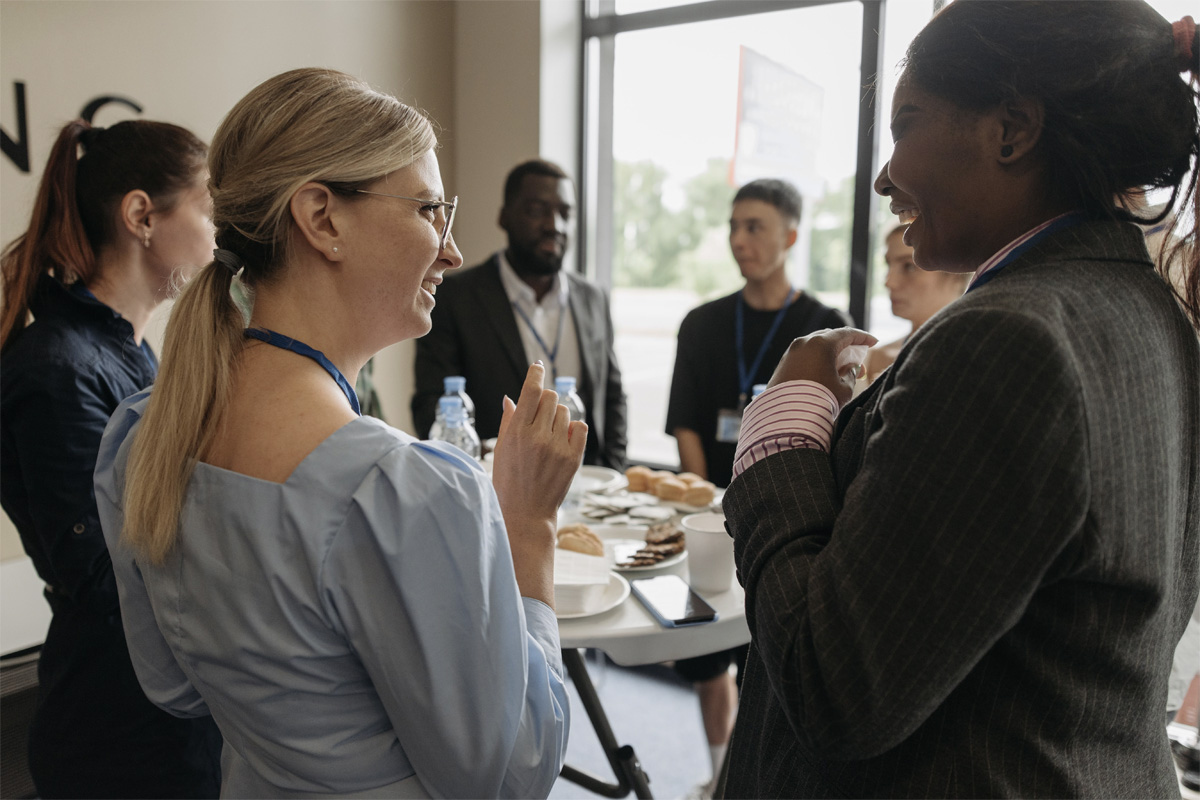
When you attend an inclusion event, how many people in the room are already converted? Financial Conduit Authority‘s Race and Ethnicity Network Co-Chair Manawar Saeed explains why his #BringAnAlly campaign is encouraging people to go beyond attending inclusion events themselves, and bring someone new into the conversation.
You know the faces. The network leads. The allies. The colleagues who always turn up. The people who care about inclusion and probably have another event in their diary that same week. I’m one of them.
After years of organising events, working with employee networks and bringing communities together, I started asking myself a different question: Who is missing from the room? That question sits at the heart of #BringAnAlly.
The idea is simple. Next time you attend a Black History Month event, heritage celebration, disability or faith event, health awareness session or conversation about a community different from your own, bring one person who wouldn’t normally be there.
One colleague. One manager. One friend. Just say: “Come with me.” Three words. But those three words can open a door.
MY ‘WHY’ STARTED LONG BEFORE DEI
There’s a personal reason those words mean so much to me. I was born in London, but my family’s story in Britain started years before me. My dad came to London from Pakistan in the early 1960s. My mum joined him later that decade with my older brothers.
Three years later, I was born. When I was six months old, we moved to Manchester, where I grew up. As a young lad, I spent weekends working on market stalls. Cold mornings, long days and plenty of characters. You learned quickly how to talk to people from every walk of life.
I didn’t know anything about DEI. I knew people. At 13, we moved back to London. New school. New surroundings. New people. I had to find my feet again. Looking back, I was learning about belonging before I even knew there was a word for it. And sometimes, another person helps you find your place.
MY PARENTS GAVE ME THE BLUEPRINT
My parents’ journey shaped mine. Like so many families of their generation, they worked hard to create opportunities for the children coming behind them. They taught me resilience without a PowerPoint presentation. They taught me community without calling it a network. And they taught me to help people because that is simply what you do.
Some of your best leadership lessons happen around the family table. At 17, I started my first proper job in banking. It became a 30-year career. After three decades in banking, I started another chapter working for a financial regulator. Different organisations. Different roles. But one constant throughout my career has been people.
I’ve seen the difference one person can make to another person’s journey. Someone mentions your name when an opportunity comes up, or encourages you when your confidence dips. Perhaps someone makes an introduction or opens a door. Or someone simply says: “Come with me.”
I’ve never forgotten the people who did that for me, and I’ve always tried to do the same for others. That’s a big part of my why.
WHO ELSE NEEDS TO BE IN THE ROOM?
Over the years, I’ve had the privilege of working with some brilliant employee networks and communities – across race and ethnicity, disability, faith, social mobility, health and heritage. I’ve been at packed events with brilliant speakers and heard conversations that stay with you long after everyone has gone home.
I’ve also walked into a room, looked around and thought: I know nearly everyone here. The regulars have turned up again. And yes, good samosas can definitely help with attendance.
But what about the person who has never attended one of these events? The colleague who thinks, “That’s probably not for me.” The manager who has never heard that lived experience. The senior leader who supports inclusion in principle but has rarely sat down and listened to someone whose life looks very different from their own. Or people from one employee network who have never stepped into another network’s event. That’s where #BringAnAlly comes in.
As Fair Play Talks recently highlighted around International Allyship Day, allyship cannot simply be something we switch on for an awareness day or heritage month. Meaningful allyship involves listening, learning, building relationships, speaking up and taking action – including when an issue does not affect us personally. Sometimes the first step is simply getting somebody into the room.
MY HEALTH TAUGHT ME TO LISTEN DIFFERENTLY
My perspective on inclusion changed again through my own experiences with COVID and inflammatory bowel disease. I discovered what it feels like to live with something other people cannot necessarily see.
Today, I chair an IBD Patient Panel at St Mark’s Hospital. Listening to patients share their experiences has reinforced something that now runs through all my inclusion work:
Make space for the voice that isn’t being heard. Whether I’m sitting in a patient panel or an inclusion event, I find myself asking the same question: Who needs to be part of this conversation? Because inclusion cannot only be about inviting people to speak. It also has to be about getting more people to listen.
IMAGINE THE RIPPLE EFFECT
Imagine 100 people attend a Black History Month event. Now imagine each person brings somebody new next time. The room changes. A manager hears a colleague’s lived experience first-hand. Someone learns about a community they knew very little about. Two employee networks make a connection. A conversation carries on over coffee the following morning. Perhaps someone rethinks an assumption they have carried for years. And perhaps the person you brought decides to bring somebody else next time. That’s the part that excites me. The ripple effect.
Yet there is still a gap between supporting allyship in principle and practising it. Research covered by Fair Play Talks found that just 37% of men surveyed were actively engaging as workplace allies. Among active allies, actions included educating themselves about bias, speaking up against inappropriate behaviour, mentoring or sponsoring diverse talent and bringing other men into inclusion conversations.
We need to make allyship easier to start – and harder to leave to somebody else. That is also why I talk about DEI 365. Black History Month can open one door. South Asian Heritage Month another. East and Southeast Asian Heritage Month, Disability History Month, Pride, faith events, health awareness and social mobility conversations can open many more.
Keep walking through each other’s doors. That’s how relationships grow, understanding deepens and allyship spreads.
LEADERS, I’M TALKING TO YOU TOO
If somebody invites you to an inclusion event, come into the room. Better still, bring another leader. Sit with colleagues. Listen to their stories. Ask questions. Meet someone you wouldn’t ordinarily meet.
Then take what you heard back into your team. Leadership matters because people pay attention not only to what leaders say about inclusion, but to what they actually do.
As Fair Play Talks highlighted during National Inclusion Week 2026, meaningful allyship requires more than supportive messages during awareness campaigns. It means listening when colleagues describe barriers, challenging discrimination and sharing responsibility for creating an inclusive culture rather than repeatedly leaving that work to underrepresented employees themselves.
Sometimes an hour spent listening to somebody whose experience is completely different from yours stays with you far longer than another hour spent in a meeting. But attending is only the beginning.
WHAT HAPPENS ON MONDAY MORNING?
I love a good inclusion event. I love the energy, the conversations and, yes, I have been known to take the occasional LinkedIn photo.
But I always come back to one question: What are we going to do differently afterwards? Who will you mentor? Whose name will you mention when an opportunity comes up? Who will you introduce to someone in your network? Whose voice will you make space for? Who will you speak up for when they are not in the room? And who will you bring with you next time?
Because allyship has to move beyond good intentions. Fair Play Talks has been making this point for years. In the guest column The Powerful Art of Good Allyship at Work, Colin Heyman explored how people can use their privilege, influence and position to support others, challenge inequality and become better workplace allies. That is where intent starts becoming action.
TAKE #BRINGANALLY AND MAKE IT YOURS
My challenge is simple: Bring one person who wouldn’t normally be in the room. Then do it again. Use #BringAnAlly during Black History Month. Take it into the next heritage month.
Use it for conversations around disability, faith, health, gender, LGBTQ+ inclusion, social mobility or any other community whose experience you want to understand better. Attend. Listen. Learn. Act. Bring someone new.
When one awareness month finishes, pass the baton to another community. And engage with the #BringAnAlly campaign on LinkedIn. Share what happens. Tell us what worked. Tell us about the person you brought into the room and the conversation it sparked.
HAVE CONVERSATIONS ON HOW TO IMPROVE INCLUSION
Share your ideas about how we can bring more people into inclusion conversations. And if you discover a way to make the idea better, share that too. Let’s learn from each other.
Because when I look back at my own journey – my parents making Britain home, being born in London, growing up in Manchester, finding my feet back in London at 13, three decades in banking and then starting another chapter working for a regulator – I can see one thread running through it all. People. My parents taught me to serve. My family keeps me grounded. My career showed me the power of opportunity. My health taught me to listen differently. My faith taught me gratitude and trust in Allah’s plan.
And the communities I’ve worked with have shown me what can happen when we open doors for one another. So, at your next event, look around the room. Then think about someone who isn’t there. Don’t just forward them the link. Message them. Call them. Grab a coffee – or, in my case, probably a karak. And say: “Come with me.”
Then encourage them to do the same. One invitation becomes one conversation. One conversation can change a perspective. One new ally can open the door for somebody else. That’s DEI 365. That’s the ripple effect. So, who will you bring?
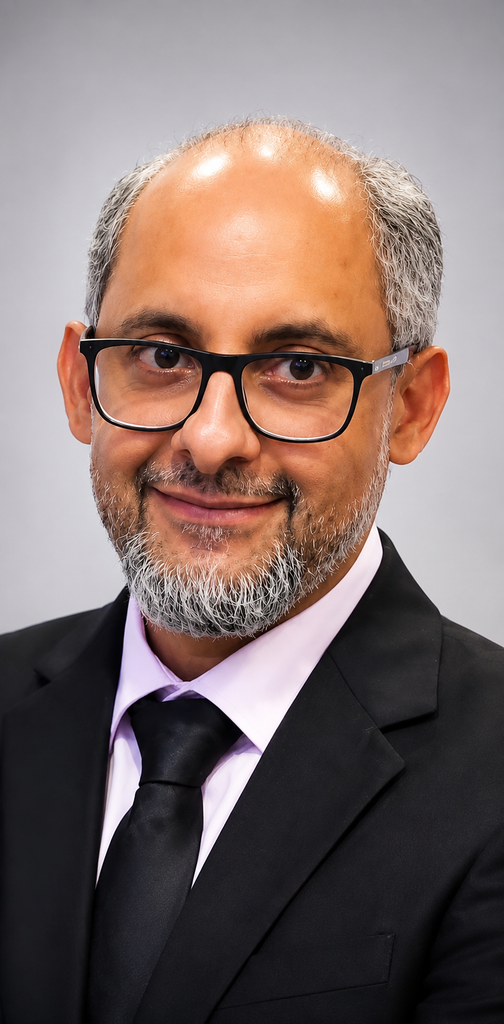
This article was written by the FCA’s Manawar Saeed.
ABOUT THE AUTHOR
RELATED ARTICLES
Why employers need to move beyond good intentions and make allyship part of everyday workplace culture.
Despite increasing discussions around the importance of male allyship on workplace inclusion, only 37% of men actively step up as allies, a new study has revealed.
Diversity and inclusion expert Colin Heyman explores the art of allyship at work. Not only does he outline what we can learn from great examples of allyship from people like Marilyn Monroe and Joe Biden, but he also shares what works, the challenges, White privilege, as well as how to be a better workplace ally.
Against a backdrop of AI disruption, changing working practices and growing scrutiny of DEI, employers are being encouraged to turn inclusion commitments into everyday actions that employees can see, feel and trust.
Lloyds Banking Group’s Philip Hocking explores how employee resource groups can go beyond events and awareness to create connections, uncover talent, develop future leaders and open up opportunities.