















As new research reveals growing fears around LGBTQ+ visibility, campaigners, business leaders and human rights activists share their experiences of coming out, being outed and why everyone deserves to live authentically – on their own terms.
Coming out isn’t always a grand announcement. Sometimes it’s correcting someone who assumes you have a husband, introducing your partner to new colleagues or deciding whether you feel safe telling a stranger who you really are. For many LGBTQ+ people, these moments don’t happen just once. They happen throughout their lives. And while visibility has increased, the freedom to live openly remains far from universal.
As the world marks National Coming Out Day on 11 October, new US research reveals a striking contradiction. Around 85% of LGBTQ+ adults surveyed say they are at least somewhat open about their identity, yet 56% say the political climate makes them less likely to be open. The findings from the Human Rights Campaign (HRC) Foundation highlight how LGBTQ+ people continue to embrace visibility while navigating concerns about discrimination, acceptance and personal safety.
To mark the occasion, Fair Play Talks brings together campaigners, business leaders, human rights activists and people with lived experience, alongside reflections shared at a Deutsche Bank event held in partnership with Stonewall. Their experiences highlight one central message: coming out must happen on an individual’s own terms, and the responsibility for creating safe, accepting environments should never rest solely on LGBTQ+ people.
WHAT IS NATIONAL COMING OUT DAY – AND WHY DOES IT MATTER?
Observed annually on 11 October, National Coming Out Day celebrates LGBTQ+ visibility, encourages understanding and recognises the importance of creating a world where people feel safe to live openly and authentically. The campaign was established in 1988 by LGBTQ+ activists Robert Eichberg and Jean O’Leary, marking the first anniversary of the 1987 National March on Washington for Lesbian and Gay Rights.
Their belief was that greater visibility and personal connections could challenge prejudice, change attitudes and advance equality. What began as a US campaign has since become an internationally recognised day of LGBTQ+ awareness, marked by individuals, community organisations, employers and allies.
The Human Rights Campaign, which incorporated the original National Coming Out Day organisation in 1993, continues to promote LGBTQ+ visibility and provide resources for people navigating their coming-out journeys. However, National Coming Out Day is not simply about encouraging people to disclose their identity. It is also about recognising that not everyone can safely do so. Visibility must remain a personal choice, particularly in environments where LGBTQ+ people face discrimination, rejection or even criminalisation.
NEW RESEARCH REVEALS PRESSURES ON LGBTQ+ VISIBILITY
The HRC Foundation’s 2026 Annual LGBTQ+ Community Survey, involving 9,328 LGBTQ+ adults in the US, reveals the complicated relationship between visibility and safety. While 33% say they have become more open about their identity over the past two years, 22% report becoming less open and 45% say their level of openness has remained unchanged.
Younger LGBTQ+ adults are helping drive greater visibility, with approximately four in 10 people aged 18 to 34 reporting that they are more open than two years ago. However, perceptions of social acceptance have become more negative, particularly for transgender and nonbinary people. More than three-quarters (78%) of respondents believe acceptance of transgender and nonbinary people has declined over the past two years, while 45% believe acceptance of lesbian, gay and bisexual people has decreased.
Despite these concerns, 92% agree that having more openly LGBTQ+ people helps build public support for equal rights and protections. The research highlights the importance of community connections, with 65% saying they feel connected to the wider LGBTQ+ community. Although the survey focuses on the US, its findings highlight the wider importance of LGBTQ+ visibility, while reinforcing that coming out must always remain a personal choice.
COMING OUT IS NOT A ONE-TIME EVENT
For Kat Parsons, CEO of Diversity Umbrella Ltd, coming out is something many LGBTQ+ people navigate in everyday life. “Coming out isn’t a single event. We often talk about our ‘coming out story’ as though it happened once. But the reality is that, for many LGBTQIA+ people, coming out is something we navigate again and again throughout our lives.”
“It happens in the most ordinary moments… getting quotes for double glazing and being asked whether my husband would be there. Standing on the side of a rugby pitch talking to other parents. Starting a new job, joining a new company or meeting a new team,” notes Parsons. “Each time, there’s that tiny calculation: do I correct them? Do I say ‘my wife’? Is this a safe space? Do I want to have this conversation today?”
For Parsons, these everyday encounters reveal why genuine inclusion goes beyond supporting people through a single coming-out announcement. “Coming out isn’t just one brave announcement at the beginning of your story. It’s woven into everyday life, and creating a world where people don’t have to constantly assess whether it’s safe to simply talk about the people they love is an important part of belonging.”
COMING OUT CONVERSATIONS
Marie-Helene Tyack, Founder of Lesbian History Day and Head of Global Inclusion, Wellbeing & Volunteering at Allianz Commercial, shares a similar perspective. “Coming Out is not something that you will do once. Throughout your life, you will do it hundreds, if not thousands of times – and sometimes at the most unexpected places (the vet, the dentist…).”
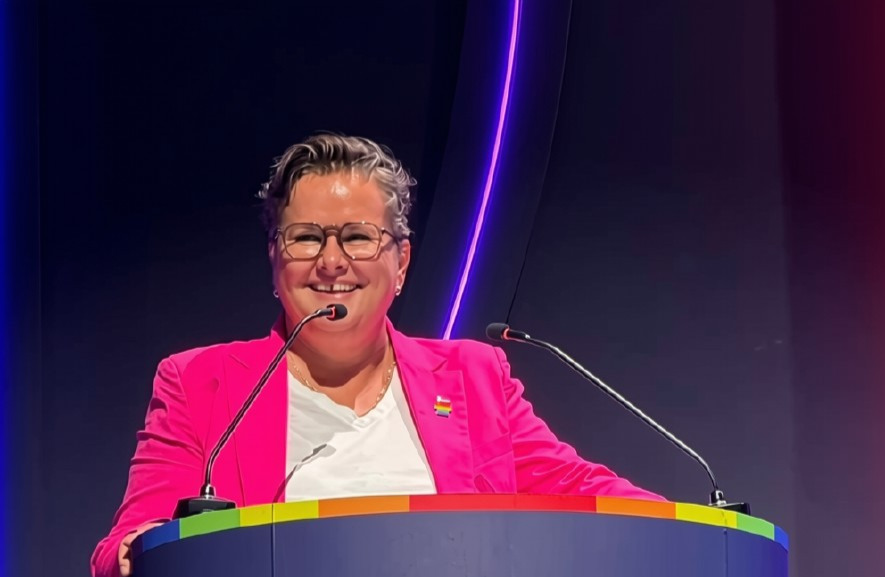
Her advice is to approach the process at your own pace: “It will feel like the most important conversation you will ever have the first time you say it, but it is the first of many. So make sure you do it when you’re ready, take your time, practice – and remember it will get easier every time!”
COMING OUT PUBLICLY AND AT WORK
For Nikki Symmons, public speaker at Compete Proud and former professional hockey player, coming out unfolded over many years. Symmons told family and friends about her sexuality a decade before publicly coming out at 31, following her retirement from professional sport.
Her television appearance alongside Irish hurling coach and champion Dónal Óg Cusack marked a significant moment for LGBTQ+ visibility in Irish sport. “Coming out isn’t a single moment, it’s something you do again and again, in every new team, job or room. You get to decide when, how and with whom, and there’s no wrong timeline,” shares Symmons.
Cynthia Fortlage, keynote speaker, mentor and author, points out that coming out at work can be particularly difficult when employees worry about job security or career progression. “When you’re coming out at work, concerns about your job can make it feel especially difficult,” notes Fortlage. “My biggest piece of advice is to own your own journey and timeline.”
Even where employers have processes in place, she believes individuals should retain control. “An organisation may have a process, but you need agency over how quickly you move through it, as you feel comfortable. Coming out doesn’t have to be a grand announcement either,” shares Fortlage. “It can be a small, everyday conversation. One thing I’ve learnt is that I still come out every day.”
THERE IS NO RIGHT AGE OR TIME TO COME OUT
While some people come out during childhood or adolescence, others may not feel ready until much later. Paul Modley, Managing Director, Diversity, Equity, Inclusion & Belonging at AMS and Chair of Social Mobility Leaders, came out in his thirties. “I came out at 35. I’d known from a very early age that my time would come, I just didn’t know when. When it did, the circumstances were incredibly complicated. But beneath all of that complexity and pain, I knew the time was right for me. That certainty gave me the strength to take the first step towards living openly and authentically,” explains Modley.
The support he received from those closest to him was transformative. “There is no right age, time or way to come out. Every story is different, and the most important thing is to do it when the time feels right for you. Surround yourself with people who love you and give them the opportunity to support you. The love I received from my family and closest friends genuinely blew me away,” he shares.
STRONG SUPPORT SYSTEMS
Entrepreneur, author and speaker Raga D’Silva, who came out publicly shortly before turning 50, highlights how the emotional challenges of coming out can continue long after the initial disclosure: “I came out publicly when I was nearly 50, and I have lost count of how many times I have had to come out since. Nearly six years later, the fear, awkwardness and unease have not disappeared. My body often reacts before my mind has time to catch up, and I still worry about being judged.”
As co-creator and host of the Older Queer Voices podcast alongside Nicola Fenton, D’Silva is helping amplify the experiences, history and contributions of older LGBTQ+ people. She also encourages those considering coming out to think about their personal circumstances and the support available to them.
“When people ask me for support as they think about coming out, I encourage them to consider whether they have financial independence and a strong support system around them. Even in 2026, I worry about how others might react and what that could mean for them,” notes D’Silva.
Her Older Queer Voices co-host, Nicola Fenton, explores this recurring experience in her article, When Did You Come Out? 3:30 Yesterday Afternoon. Reflecting on how strangers repeatedly assume she has a husband or mistake her wife for her sister, Fenton highlights how age-related assumptions can make older lesbian women feel invisible – and turn even ordinary conversations into another coming-out moment.
NO DEADLINE FOR COMING OUT
Zander Murray, award-winning keynote speaker, wellbeing coach and the first male Scottish senior footballer to come out as gay, offers a similarly reassuring message. “There’s no deadline for coming out. Do it when you’re ready, on your terms, and with people who have your back,” he says.

For Katie Neeves, Founder of Cool2BTrans, coming out involved a much more public announcement. Eight years ago, she recorded a video explaining that she was transgender, shared it with clients of her photography business and published it across social media.
Although she feared losing friends, family and clients – and did experience some significant losses – many people accepted her. What she initially feared became one “of the most uplifting experiences of her life,” she says. She continues to come out when meeting new people but now takes pride in sharing her identity and the journey she has travelled.
Dhiren Doshi-Smith, ADHD UK Ambassador and corporate trainer, encourages people to begin wherever they feel safest: “There’s no deadline on this. Coming out isn’t one big moment, it’s something you’ll do again and again, in new jobs, new friendships, new rooms.”
He recommends starting with someone trusted: “Tell one person you trust, notice how it feels, and let that guide what comes next. You get to choose the pace, the words and the people. That choice is yours and nobody else’s.”

WHEN SOMEONE ELSE TAKES AWAY YOUR CHOICE
Although coming out can be empowering, not everyone gets to make that decision for themselves. When someone reveals another person’s sexual orientation or gender identity without their consent, they can undermine that person’s privacy, autonomy and personal safety.
Oscar Davies, multi-award-winning barrister at Garden Court Chambers, describes this as a fundamental human rights issue: “Nobody should have their identity disclosed before they’re ready. Being outed takes away something fundamental: the right to decide when, how and with whom we share our personal lives. As a human rights barrister, I see this as an issue of dignity, autonomy and privacy. Our identities are ours to share, not someone else’s to reveal.”

Simon Blake, CEO of Stonewall, agrees that the choice should always remain with the individual: “Nobody ever deserves to be outed, whether they are ready or not. It should always be our choice when, where and how we come out and to have that taken away is never acceptable.”
He emphasises that people’s needs will depend on their circumstances, emotional response and the potential consequences of the disclosure. “At the most extreme being outed may have risked their physical safety or expose them to psychological harm,” Blake warns.
Support might include helping someone address the person responsible, make a complaint or seek specialist assistance, but Blake stresses the importance of restoring individual control. “Most importantly help them navigate the situation on their terms – when agency is taken from you reclaiming it is a step back to power,” he notes.
YOUR STORY, YOUR CHOICE
Zander Murray offers a similar message: “If someone outs you, remember: they might have taken away your choice, but they haven’t taken away your voice. Your story is still yours.”
Nikki Symmons encourages people who have been outed to decide what they want to do next and seek support from those they trust: “If someone outs you, the story is still yours. Take a breath, decide who you want to hear it from you directly, and lean on the people you trust. Their breach of trust is not your failure, and you don’t owe anyone an explanation on their schedule.”
Marie-Helene Tyack stresses that safety must come before confrontation: “If someone outs you before you are ready, the first priority has to be your safety – protect yourself rather than confront someone immediately.”
She advises allowing time to process the emotions involved before deciding how to respond. “And remember two things: you don’t owe anyone an answer before you’re ready and you have not done anything wrong. You control your narrative, always.”
Cynthia Fortlage also emphasises the importance of boundaries: “If someone outs you before you’re ready, they have taken away a choice that belonged to you. You don’t owe anyone further details just because they now know something about you. Start with what you need to feel safe, and reach out to someone you trust. You can still set boundaries around what happens next.”
VIOLATION OF TRUST
Faheem Khan, CEO of Future Leaders UK, describes outing someone as a violation of trust. “Being outed before you’re ready is a violation of trust. It takes away something deeply personal: your right to decide when, how and with whom you share your identity. If this happens, remember that you have done nothing wrong,” he shares.
Khan encourages people to surround themselves with those who make them feel safe. Doshi-Smith, who has experienced being outed, acknowledges the emotional consequences: “Being outed can feel like something really personal has been taken from you, and it’s OK to be angry, scared or numb about it. Your feelings make sense.”
He recommends seeking support from trusted people or organisations such as London Friend and Switchboard. Neeves similarly encourages people to retain their pride and, where safe, explain to the person responsible how hurtful and potentially dangerous their actions can be.
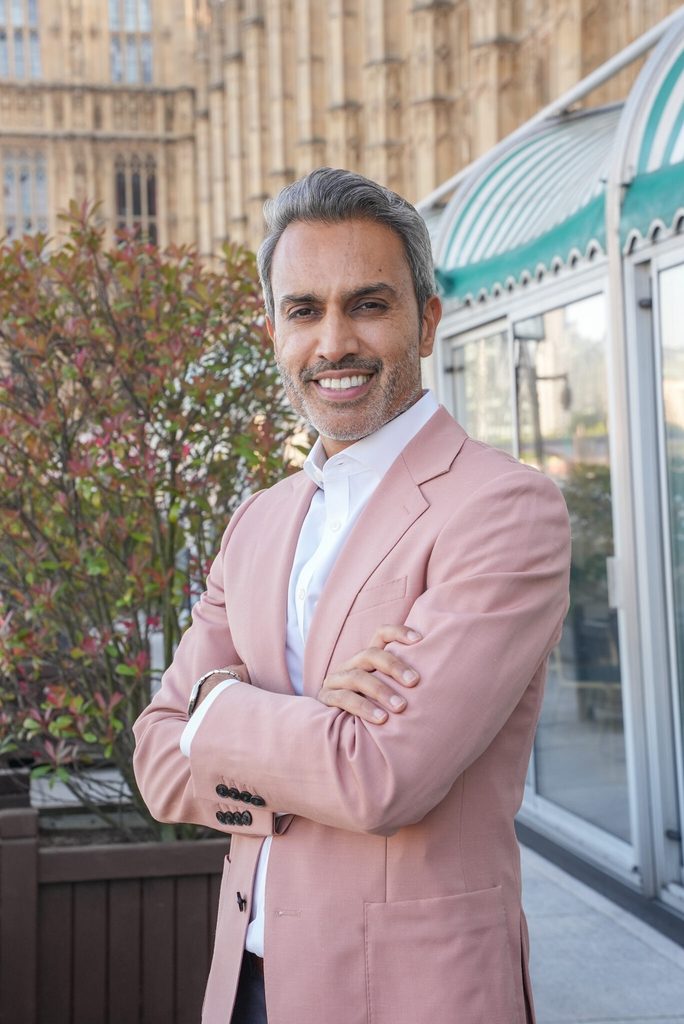
Jason Jones, a human rights activist challenging colonial-era anti-LGBTQ+ laws, offers a perspective shaped by his Caribbean experience. “Being outed may feel like the earth has imploded but give it a couple of months and people move on after the initial shock and revelation. Remember today’s news will line the bottom of the bird cage tomorrow. It will pass.”
While Jones offers reassurance that difficult reactions may fade, the consequences of being outed vary considerably. In some circumstances, particularly where discrimination, family rejection or criminalisation creates significant risks, the impact can be serious and lasting.
FROM THE FOUNDING FORTY TO LEGAL RECOGNITION
For Steve Hutson, one of the Founding Forty and Founder of Superstars, coming out was closely connected to a landmark struggle for relationship recognition in the UK. During the 1990s, Hutson and his partner Renato were among 40 same-sex couples challenging immigration rules that failed to recognise their relationships adequately.
After seven and a half years of campaigning, the UK Government announced the Unmarried Partners Concession on 10 October 1997, which took effect three days later. It introduced a route for qualifying unmarried partners, including same-sex couples, to seek immigration permission. “We weren’t asking for special treatment. We were asking for something so simple – fairness, dignity and the right to love and live together,” shares Hutson.
For Hutson, one of the greatest challenges was having to disclose his relationship at work to demonstrate to the Home Office that it was genuine. At the time, specific UK employment protections against sexual orientation discrimination were not yet in place. “The fear was very real. I could have lost my career simply for being honest about who I was and who I loved,” explains Hutson.
Instead, he found support from two managers at Aquent – Kim Kapner and Sue Nunn – whose kindness and acceptance made a lasting impression. “Never underestimate the difference you can make to someone’s life simply by accepting them for who they are,” he says.
INCLUSIVE LEADERSHIP MATTERS
Their response shaped his understanding of inclusive leadership and continues to influence his work today. Nearly three decades later, Hutson recognises that although legal protections have improved, coming out can still carry risks. “That’s why I would never tell someone they must come out. It’s your story, your journey and your decision, and nobody should ever take that away from you,” he shares.
Hutson now prefers to call the campaigners the Founding Forty, rather than the Forgotten Forty, recognising the doors they helped open for future generations. “So, wherever you are on your journey, know this: you belong, you matter, and you have a whole community standing alongside you.”
His story demonstrates how acceptance at work can affect far more than someone’s immediate professional life. It can influence their confidence, security and future.
WHEN HOME AND BELONGING TAKE ON NEW MEANING
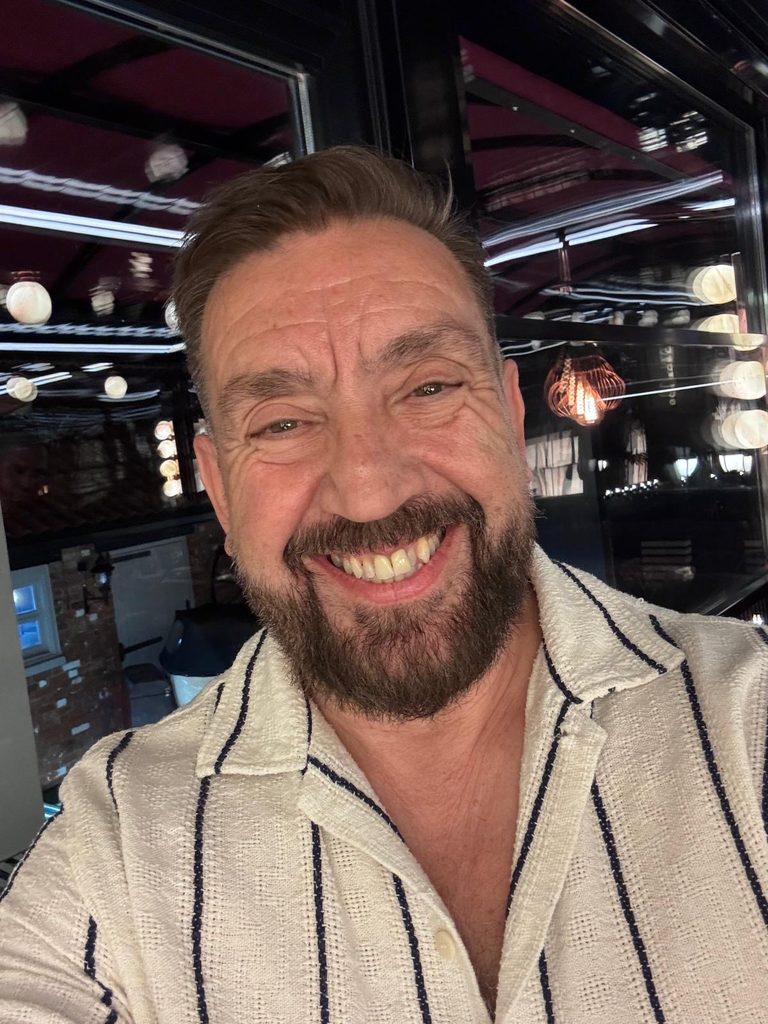
For Milly Moses-Petite, Director at UK Black Pride, coming out at just 12 changed her understanding of family, relationships and home. Speaking at the recent Deutsche Bank event held in partnership with Stonewall, she described growing up in a traditional Catholic family on a small island in a Commonwealth country.
She recalled writing her parents a letter explaining that she was a lesbian, hoping above all for reassurance that she would still be loved. “As an LGBTQ+ person, you don’t realise how much of your world changes when you say ‘I am gay.’ Everything changes. Family changes, the meaning of home changes, the interaction you have with everyone that you grew up with changes.”
For Moses-Petite, home eventually came to mean something different – the security and acceptance she finds with her wife. Her experience highlights why coming out can be particularly complex for people navigating cultural, religious or family expectations.
PERSONAL SAFETY MATTERS
Laïla El-Métoui, CEO of LEM Education and Founder of Pride in Education, stresses that readiness depends on personal safety and circumstances. “There is no right timeline, and coming out is never an obligation. Readiness depends on safety, which looks different depending on who you are, how ‘visibly queer’ you are and where you are.”

She also highlights the particular difficulties that people face in countries where LGBTQ+ relationships are criminalised. “Coming out is also a privilege,” she highlights. “Some people never get to choose, others are outed, and many cannot safely come out at all in countries where being LGBTIQA+ is criminalised.”
El-Métoui encourages people to identify their concerns, whether related to family, faith, careers or community expectations, and seek support from someone they trust. Drawing on her own experience, she acknowledges that her fears about coming out to family were greater than the response she ultimately received, although not everyone has that experience.
Faheem Khan similarly recognises how family, faith and cultural expectations can influence someone’s journey. “Coming out is not a single moment, but often a journey that unfolds over many years. For some, it’s liberating. For others, it can be frightening, particularly when family, faith or cultural expectations make acceptance feel uncertain.”
He reinforces that disclosure should never become an obligation. “Your identity is valid whether you choose to share it with the world or keep it private.”
COMING OUT IS NOT THE SAME EXPERIENCE EVERYWHERE
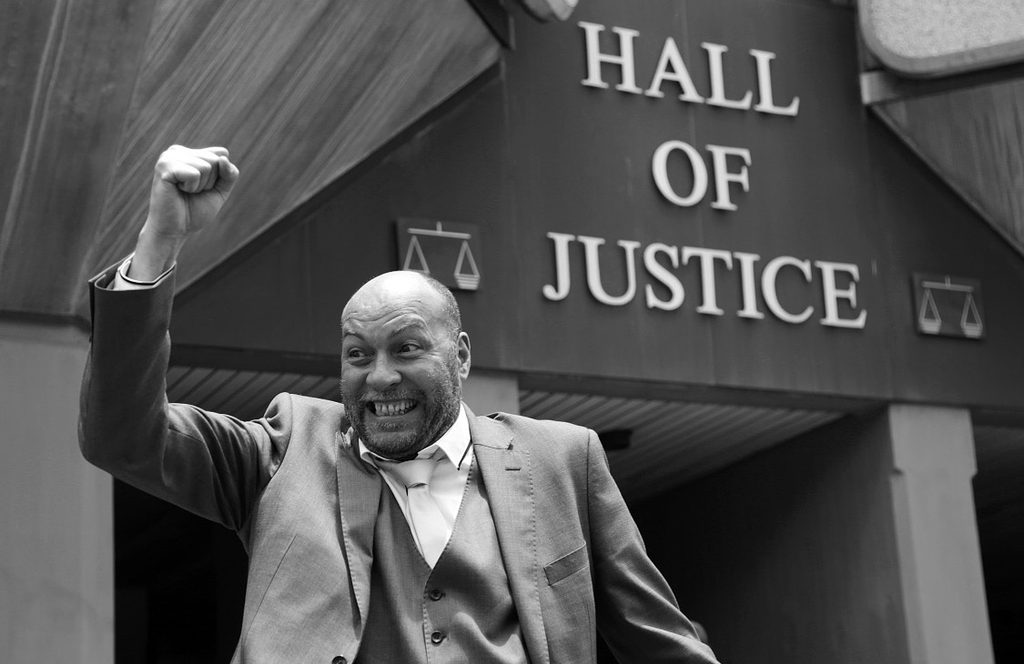
As a human rights activist challenging colonial-era anti-LGBTQ+ laws through the courts, National Coming Out Day raises important questions about whose experiences the campaign represents, says Jason Jones. “Coming Out Day is a uniquely Global North mainly white phenomenon.”
Drawing on his Caribbean and Black family heritage, Jones explains that coming out does not necessarily involve a formal announcement. “In the Caribbean and Black families which is my heritage, coming out has no fanfare. If you keep bringing the same person repeatedly to family and social events, they get the message,” he shares.
For Jones, now 63, coming out remains an ongoing experience, including when meeting healthcare professionals or new acquaintances. “So for us it isn’t a day, it’s a journey. Even now at 63 years old, I still have to ‘come out’ when I meet new people or a new nurse or doctor.”
His advice places particular emphasis on personal safety and self-acceptance: “So if you can come out safely then do so. If you can’t, come out to your safe friends and family and most importantly, come out to yourself! Self love is the key to coming out effectively.”
LIVING WITHOUT FEAR OF PROSECUTION OR DISCRIMINATION
Jones also calls for the decriminalisation of consensual same-sex intimacy in countries where discriminatory laws remain in force, many introduced during British colonial rule. He believes removing these laws is essential to ensuring LGBTQ+ people can live openly and safely, without fear of prosecution or discrimination.
According to Human Dignity Trust, 29 of the Commonwealth’s 56 member countries retain laws criminalising consensual same-sex intimacy, with many originating under British colonial rule. Jones argues that Britain has a responsibility to confront the consequences of this history. “The British Government and people need to take responsibility for this heinous history and help dismantle this homophobic legacy!”
He is urging greater support for activists challenging discriminatory legislation and campaigning for legal reform. His contribution highlights a fundamental limitation of campaigns focused on visibility – the freedom to come out cannot be separated from the legal and social conditions that determine whether doing so is safe.
THE POWER OF EVERYDAY ACCEPTANCE
Sometimes the most meaningful expressions of acceptance come through ordinary interactions. For Lucian Main, Inclusion Partnerships Executive at Inclusive Companies, coming out as a trans person initially meant repeatedly correcting people who used his previous name or pronouns. “As a trans+ person, you never come out just once. In the early days, I think I came out at least 5 times a day. Always to strangers, people I wasn’t sure I even trusted.”
Over time, these conversations became less frequent. But the positive moments stayed with him. “My 88 year old Nan introducing me to a room full of people as: ‘her grandson.’”
He also remembers his mother’s quiet understanding and support. These everyday gestures illustrate how acceptance can be expressed through simple acts of recognition and respect. “Happy National Coming Out Day, to everyone at all stages of finding your true self. It won’t always be easy, but know you are loved,” Main adds.
VISIBILITY SHOULD NOT COME AT THE COST OF WELLBEING
Living openly can strengthen someone’s sense of identity and belonging, but visibility can also bring emotional pressures when people feel scrutinised, excluded or responsible for representing an entire community. Trenton Tomlinson, Global Impact Manager at Universal Music Group, discussed these challenges during the Deutsche Bank and Stonewall event. He described how people may monitor their behaviour or conceal aspects of their identity in spaces where they do not feel fully accepted. That constant self-monitoring can become exhausting, particularly when individuals feel pressure to continually prove themselves.
Jon Tilli, Director at Deutsche Bank, also spoke about the relationship between his coming-out journey and mental health. “My coming out story and my mental health story are pretty much intertwined,” he shared.
Tilli described the importance of supportive colleagues, LGBTQ+ networks and visible leadership commitments in helping employees feel more comfortable being open about their identities. His experience reinforces why meaningful workplace inclusion must extend beyond awareness campaigns to practical support and psychological safety.
As Fair Play Talks previously reported, HRC research has linked reductions in visible corporate inclusion commitments with increased reports of stigma and uncertainty among LGBTQ+ employees.
WHAT EMPLOYERS AND ALLIES CAN DO TO CREATE SAFER SPACES
For Faheem Khan, representation is important in helping LGBTQ+ people see that identity and professional ambition are not mutually exclusive. “Growing up, I didn’t always see people like me reflected in positions of leadership or success.”
He believes greater visibility can challenge those assumptions: “Visibility matters because it challenges the idea that we must choose between being our authentic selves and achieving our ambitions. You can be proud of who you are, proud of where you come from, and unapologetically ambitious about where you’re going.”
Khan also questions why LGBTQ+ people are so often expected to shoulder the responsibility for creating change. “We often tell LGBTQ+ people to be brave enough to come out. But perhaps we should spend more time asking whether we’ve created families, workplaces and communities where people feel safe enough to do so.”
THE ROLE OF MANAGERS IN CREATING PSYCHOLOGICAL SAFETY AT WORK
Sarah McIntosh, CEO of Mental Health First Aid England, highlights the critical role managers play in creating psychologically safe workplaces where LGBTQ+ employees feel accepted and supported. Speaking at the Deutsche Bank and Stonewall event, she emphasised that managers can make a significant difference through everyday conversations, empathy and a willingness to acknowledge the pressures employees may be experiencing.
Rather than avoiding difficult subjects, including discrimination or hostile public debate, managers should create opportunities for colleagues to express concerns without fear of judgement or negative consequences. Her message reinforces the importance of listening, checking in with employees and ensuring that support is available without requiring individuals to disclose personal information before they feel ready.
WHEN AN EMPLOYEE IS OUTED AT WORK
For Simon Blake, CEO of Stonewall, employers must respond appropriately, whether the disclosure happens through workplace records or an informal conversation. Where workplace records are involved, data protection obligations may apply. Information concerning sexual orientation is classified as special category personal data under UK GDPR, while the legal treatment of information about gender identity depends on its nature and context.
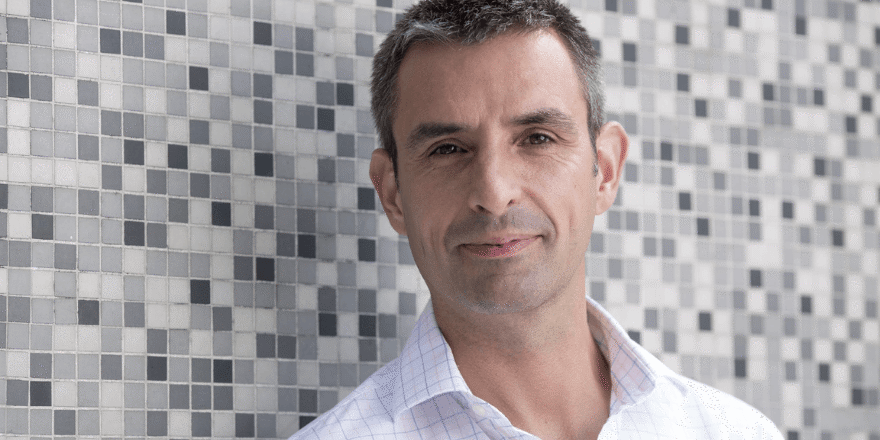
Blake stresses that informal disclosures should also be taken seriously. “If it is in a conversation between colleagues it should be taken seriously and your policies will guide you on the exact process and possible outcomes but it should never go unaddressed.”
His advice is to speak privately with the affected employee first, establish whether they consented to the disclosure and understand what impact it has had. “Whatever your policy framework, it is important the colleague who is affected is spoken to first to understand whether the colleague had consent to share, did they believe it to be malicious or homophobic; and to understand both the impact on them and what they believe should happen next,” shares Blake.
The employee should also be made aware of any support available through work and external organisations. Managers and HR teams should then establish what happened with the person responsible, ensuring that any response follows relevant policies and is proportionate.
CREATING PSYCHOLOGICALLY SAFE ENVIRONMENTS
Blake emphasises that good intentions do not erase the consequences of someone’s actions: “It is important to remember lack of intent does not equal lack of harm, accountability does not have to be punitive.”
His wider message is that workplaces should create environments where LGBTQ+ employees feel safe and respected, while also allowing colleagues to acknowledge mistakes and learn from them. “We want to create environments that are psychologically safe for everybody including all lesbian, gay, bi, trans+ and queer colleagues and are also psychologically safe for people to make mistakes, be accountable and learn from them in pursuit of a safe, equal and fair world for people to live, work and thrive.”
WHEN SOMEONE TRUSTS YOU ENOUGH TO COME OUT
Nikki Symmons offers a straightforward message for colleagues and managers: “If someone trusts you with this, keep it in the room. Asking ‘what support do you need, and who else knows?’ is one of the kindest and most useful things you can say.”

Laïla El-Métoui similarly encourages people to listen rather than make assumptions: “You don’t have to treat them any differently; they are the same person, who just happens to be part of the queer community.”
She advises against intrusive questions, stereotypes or comments such as “I always knew.” “A supportive response might sound like: ‘Thank you for trusting me with this. It means a lot. Is there anything you need from me?’ Then follow through, and keep checking in.”
HOW ALLIES & WORKPLACES CAN OFFER BETTER SUPPORT
The 2026 Workplace Pride Global Benchmark, highlights the importance of maintaining long-term LGBTQ+ inclusion commitments despite wider political and organisational pressures. For employers and allies, practical action includes:
- Respect personal choice. Never pressure someone to come out or disclose their identity without consent.
- Listen without judgement. Thank someone for trusting you, avoid assumptions and ask what support they need.
- Maintain confidentiality. Disclosure to one person does not constitute permission to share someone’s identity with others.
- Take incidents of outing seriously. Prioritise the affected individual’s safety, dignity and wishes while following appropriate workplace procedures.
- Recognise different circumstances. Faith, culture, disability, financial dependence and local laws may influence whether someone feels safe being open.
- Use inclusive language. Respect people’s names, pronouns and relationships.
- Challenge discrimination. Address exclusion, harassment and inappropriate comments.
- Support LGBTQ+ employee networks. Provide resources, leadership sponsorship and meaningful opportunities for involvement.
- Make inclusion a year-round commitment. Embed supportive behaviour into policies, management training and everyday workplace culture.
As Fair Play Talks previously highlighted, meaningful LGBTQ+ inclusion requires sustained commitment rather than short-lived visibility campaigns.
HOW TO SUPPORT PEOPLE CONSIDERING COMING OUT
Coming out is a personal decision. There is no right age, time or way to do it. For anyone thinking about disclosing their identity – or dealing with being outed without consent – it can help to consider personal safety, available support and what they feel comfortable sharing.
The following organisations provide information and support:
- Human Rights Campaign – Guidance for LGBTQ+ people, families, friends and allies in the US.
- The Trevor Project – Mental health and crisis support for LGBTQ+ young people in the US.
- Switchboard LGBT+ Helpline – Confidential listening and support for LGBTQ+ people in the UK.
- London Friend – Support and services for LGBTQ+ communities.
- ILGA World – International LGBTQ+ rights information and resources.
- Find A Helpline – A directory of emotional support services across different countries.
For those outed without consent, it’s vital to prioritise their safety and wellbeing. Seeking support from a trusted person or LGBTQ+ organisation can help them consider their options without feeling pressured to make immediate decisions.
BEYOND COMING OUT: THE RIGHT TO BELONG
Thirty-eight years after the first National Coming Out Day, the campaign remains a reminder that visibility can change attitudes, challenge discrimination and strengthen communities. But the experiences shared by campaigners, advocates and business leaders also show why coming out is rarely straightforward.
For some, it brings freedom and relief. For others, it involves difficult decisions about family, faith, work, relationships and safety. And for people who have been outed before they were ready, the challenge may be reclaiming control of a deeply personal story.
And as Jason Jones highlights, the freedom to live openly remains deeply unequal around the world. In some countries, discriminatory laws mean coming out can be a question of personal safety rather than simply confidence or acceptance. The experiences of Steve Hutson, Milly Moses-Petite, Kat Parsons, Raga D’Silva and others demonstrate that meaningful progress cannot be measured solely by how many people feel able to come out. It must also be judged by the response they receive – from families, friends, employers, governments and society.
As Faheem Khan argues, the responsibility for creating accepting environments should not rest solely with LGBTQ+ people being brave enough to reveal who they are. Families, friends, employers and communities all have a role in ensuring people feel safe, respected and supported – whether they choose to come out today, tomorrow or not at all. Because genuine progress is not simply about how many people feel able to come out. It is about whether they have the freedom to do so – and how they are treated when they do.
RELATED ARTICLES
From global activists to industry leaders, LGBTQIA+ women and non-binary people are challenging inequality, driving accountability and helping build a fairer, more inclusive world.
A sharp 65% drop in Fortune 500 companies publicly communicating diversity, equity and inclusion (DEI) commitments has coincided with rising reports of stigma, job insecurity and declining productivity among LGBTQ+ workers, according to new research.
As organisations face growing pressure over diversity, equity and inclusion (DEI) programmes, the latest Workplace Pride Global Benchmark shows that employers investing in long-term LGBTQ+ inclusion continue to lead the way.
From rising anxiety and burnout to gaps in employee support, research across the globe exposes mounting workplace mental health pressures – and why experts say employers must move beyond awareness to meaningful action.
Openly LGBTQ+ directors now hold just 45 Fortune 500 board seats, down from 50 in 2024, as new data raises concerns about the lack of new directors coming through the pipeline.