











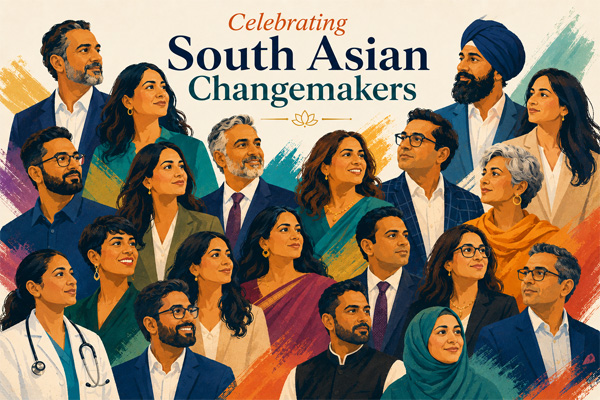
From boardrooms and hospitals to classrooms, charities and global businesses, South Asian changemakers are helping shape fairer workplaces, stronger communities and more responsible organisations long after South Asian Heritage Month has ended.
South Asian Heritage Month may have officially ended, but its message remains highly relevant. This year’s theme, Unity in Diversity, celebrated the richness of South Asian communities while recognising the shared values that unite people across different cultures, faiths, languages and lived experiences.
At a time when organisations are navigating artificial intelligence, changing workforce expectations and growing expectations around responsible business, inclusive leadership and workplace culture, that message has never been more important. Across business, healthcare, education, government, charities, media and entrepreneurship, South Asian changemakers are helping remove barriers, widen opportunity and show that inclusion is about far more than representation – it is about creating environments where everyone has the opportunity to thrive.
In fact, many South Asians have made profound contributions to every aspect of British society, from business and healthcare to science, education, the arts and public service. This feature celebrates some of the individuals helping shape that future.
SOUTH ASIAN HERITAGE MONTH
To mark the close of South Asian Heritage Month, Fair Play Talks has brought together an editorially curated collection of leaders, innovators, entrepreneurs, educators, healthcare professionals, journalists, campaigners and community changemakers whose work is creating lasting impact across the UK and beyond. Some lead global organisations. Others are transforming lives through research, advocacy, public service and grassroots initiatives. Together, they show that meaningful progress is driven by purpose, collaboration and sustained action.
This is not a ranking. It is a curated editorial feature celebrating individuals whose work is advancing inclusive leadership, responsible business, equality, accessibility, workplace wellbeing, social mobility, education and community empowerment. While not exhaustive, it reflects the breadth and diversity of South Asian leadership shaping workplaces, organisations and society today.
To reflect that diversity, we’ve organised this feature around the areas where these changemakers are making their greatest impact, from leadership and inclusion to responsible business, education, community action and global influence. Together, they reflect the human side of responsible business, demonstrating that stronger organisations and fairer societies are built through inclusive leadership, opportunity, empathy and purpose.
Editor’s note: This is an editorially curated feature recognising individuals whose work is helping shape fairer workplaces, responsible business and society. It is not a ranking and is not intended to be exhaustive. The people featured were selected based on their contribution to leadership, inclusion, innovation, public service and social impact. Profiles are grouped by area of impact and, where practical, listed alphabetically by first name. Their order does not reflect ranking or relative importance.
LEADERSHIP MATTERS
Leading With Purpose
As organisations navigate artificial intelligence, changing workforce expectations and growing expectations around responsible business, leadership has become one of the defining factors of long-term success. Inclusive leadership is no longer simply a people issue, it is a strategic advantage that shapes culture, innovation, trust and organisational performance.
The leaders featured here are helping define that future. Whether leading global organisations, influencing public policy, transforming executive recruitment or reshaping workplace culture, they are creating organisations built on opportunity, accountability, belonging and purpose.
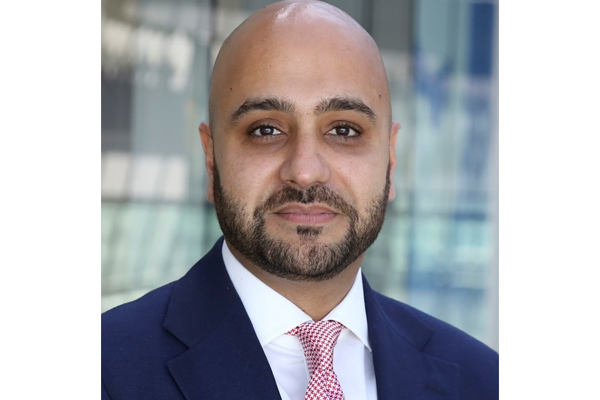
Asif Sadiq MBE
Few leaders have done more to embed inclusion into global business strategy than Asif Sadiq MBE. As Chief Global Inclusion Officer at Warner Bros. Discovery, Sadiq is widely recognised as one of the world’s leading voices on inclusive leadership. Across more than two decades, he has held senior leadership roles at Warner Bros. Discovery, adidas, EY, The Telegraph Media Group and the City of London Police, helping organisations embed inclusion into business strategy rather than treating it as a standalone initiative.
Awarded an MBE for services to equality and inclusion, Sadiq is also an executive adviser, mentor and international keynote speaker. He is the author of From Intent to Impact: The New Blueprint for Inclusion, a practical guide for business leaders and changemakers, and Belonging at Work: Navigating DEI Challenges and Embedding Inclusion in Your Organisation, which explores how organisations can respond to today’s inclusion challenges while building cultures of belonging, trust and accountability.
Why this matters: Inclusion delivers its greatest impact when it is embedded into organisational strategy rather than treated as a standalone initiative. Sadiq demonstrates how inclusive leadership strengthens innovation, performance and long-term organisational success.
Professor Binna Kandola OBE
Professor Binna Kandola OBE is widely recognised as one of the UK’s pioneers of workplace diversity, equity and inclusion. As Senior Partner and co-founder of Pearn Kandola, he has spent more than four decades helping organisations understand how bias influences recruitment, leadership, performance and organisational culture, advising businesses, governments and public sector organisations in the UK and internationally.
A business psychologist, researcher and author, Kandola has written or edited numerous books exploring bias, leadership and workplace inclusion, including The Value of Difference, The Invention of Difference, Racism at Work, Free to Soar: Race & Wellbeing in Organisations and, more recently, Designing for Diversity, which focuses on creating fair and equitable talent management processes. His research continues to influence how organisations approach leadership, performance, recruitment and inclusion.
Awarded an OBE in 2008 for services to disadvantaged people and diversity, Professor Kandola is a Visiting Professor at both Leeds University Business School and Aston University Business School, an Honorary Doctor of Science at Aston University, and has been recognised as one of the UK’s most influential HR thinkers. Through his research, consultancy and thought leadership, he continues to encourage organisations to move beyond awareness towards evidence-based approaches that create fairer, more inclusive workplaces.
Why this matters: Creating inclusive organisations begins with understanding how bias influences decisions. Professor Kandola’s work demonstrates that evidence-based leadership, organisational psychology and accountability help organisations create fairer workplaces where talent is recognised, developed and able to thrive.
Dr Kamel Hothi OBE
Dr Kamel Hothi OBE has spent more than four decades demonstrating the power of authentic, purpose-led leadership. Beginning her career as a bank cashier, she became the first Asian Bank Manager in TSB’s history before helping reshape diversity and inclusion across UK banking.
During her corporate career, Hothi led the development of Lloyds Banking Group’s Asian Strategy and co-founded the organisation’s first employee networks for ethnic minority and women colleagues. Today, she is an internationally respected executive coach, keynote speaker and strategic adviser, working with organisations to build more inclusive leadership cultures rooted in empathy and authenticity.
Alongside her commercial work with TLC Lions, Hothi serves on the Lloyd’s of London ESG Committee, advises the Queen Elizabeth II Commonwealth Trust and has spent more than 15 years as an Ambassador for Alzheimer’s Society, helping raise awareness of dementia and mental health within ethnically diverse communities.
Why this matters: Purpose-led leadership creates lasting impact. Hothi demonstrates how commercial success, inclusion and social responsibility can work together to strengthen organisations and communities alike.
Minaxi Mistry
Founder and Chief Executive of Equality Leaders and Culture Labs, Minaxi Mistry is helping organisations better understand and improve workplace culture. Drawing on more than 25 years of corporate leadership experience alongside behavioural science and workforce analytics, she advises organisations including Aviva, PepsiCo and Pfizer on creating healthier, more inclusive workplaces.
Inspired by her own experience growing up as the daughter of first-generation Indian immigrants, Mistry has dedicated her career to helping organisations build cultures where belonging, wellbeing and business performance reinforce one another. Through her work, she encourages leaders to use behavioural insight and evidence to identify cultural challenges before they become organisational risks.
Why this matters: Organisations make better decisions when they understand their people. Mistry demonstrates how behavioural insight and workplace analytics can help leaders build healthier, more inclusive and higher-performing workplace cultures.
Nina Goswami
As Head of Inclusion UK at Clifford Chance and formerly Creative Diversity Lead at the BBC, Nina Goswami has helped transform conversations around representation across both media and professional services.
During her time at the BBC, she helped lead the award-winning, internationally recognised 50:50 The Equality Project, demonstrating how data and accountability can improve the representation of women, disabled people and ethnically diverse communities both on and off screen. Today, as Clifford Chance’s inaugural UK Head of Inclusion, she continues to apply this evidence-based approach to recruitment, leadership development and workplace culture.
Why this matters: Lasting inclusion depends on evidence as much as ambition. Goswami demonstrates how transparency, measurement and accountability help organisations create sustainable cultural change.
Pam Kaur
As Group Chief Financial Officer of HSBC, Pam Kaur holds one of the most senior leadership positions in global banking, becoming the first woman to serve as HSBC’s Group Chief Financial Officer in the organisation’s 160-year history.
With an international career spanning finance, compliance, audit and risk management at HSBC, Citi, Deutsche Bank and Lloyds Banking Group, Kaur is recognised for combining commercial expertise with people-focused leadership. A strong advocate for mentoring and reverse mentoring, she continues to encourage organisations to embrace different perspectives as a source of stronger governance, innovation and resilience.
Why this matters: Representation at the highest levels matters. Kaur’s appointment demonstrates how diverse leadership strengthens decision-making while inspiring future generations of women in finance and business.
Pavita Cooper
Pavita Cooper is one of the UK’s leading voices on executive talent, board diversity and corporate culture. As UK Chair of the global 30% Club and Founder of talent advisory firm More Difference, she works with FTSE boards and chief executives to modernise succession planning and broaden pathways into senior leadership.
Her expertise is underpinned by a corporate career leading global talent, executive resourcing and organisational design at Barclays, Shell and Lloyds Banking Group. Alongside her executive career, she served as a Commissioner at the Equality and Human Rights Commission (EHRC), chairs the Chartered Management Institute’s Race Advisory Committee and is a Trustee of The King’s Trust.
Why this matters: Boardroom diversity depends on long-term leadership development. Cooper demonstrates how organisations can build stronger governance by widening opportunity throughout the leadership pipeline.
Pinky Lilani CBE
Pinky Lilani CBE has spent more than three decades celebrating and supporting women in leadership. As Founder of the Asian Women of Achievement Awards and the Women of the Future Programme, she has created influential networks that recognise, mentor and connect women across business, media, public service and entrepreneurship.
Her work extends beyond awards through initiatives including the Women of the Future Corporate Network and Global Ambassadors Programme, encouraging organisations to embed mentoring and collaboration into leadership development. Appointed a Commander of the Order of the British Empire (CBE) for services to women in business, Lilani also serves as a Deputy Lieutenant for Greater London and supports numerous charitable organisations.
Why this matters: Leadership flourishes when people invest in one another. Lilani demonstrates how mentoring, collaboration and recognition help create stronger leadership pipelines and lasting opportunities for future generations.
Raj Jones
Raj Jones spent 17 years leading diversity, equity and inclusion across Sodexo UK & Ireland, helping shape workplace culture and employee experience for more than 30,000 colleagues.
Beginning her career in learning and development, she went on to lead national and international inclusion programmes covering race, gender, generations and LGBTQ+ inclusion. Today, as an independent consultant, she advises organisations on workplace culture, organisational change and the ethical use of artificial intelligence, helping leaders build more inclusive and future-focused organisations.
Why this matters: Inclusive workplaces are built through everyday leadership. Jones demonstrates how culture, belonging and ethical leadership help organisations create more resilient, engaged and high-performing teams.
Raj Tulsiani
Executive search has become a powerful force for change through Raj Tulsiani’s leadership of Green Park. As Founder and Chief Executive of Green Park, Tulsiani has transformed executive search by helping organisations rethink how they identify, recruit and develop leadership talent.
Under his leadership, Green Park has become one of the UK’s leading executive search and advisory firms, recognised for its commitment to ethical recruitment, board diversity and workforce inclusion. Tulsiani is also the author of Diversity and Inclusion for Leaders and co-founder of Race Equality Matters, whose annual Race Equality Week now engages thousands of employers across the UK. Open about his own neurodiversity, he combines lived experience with strategic insight to champion more inclusive leadership.
Why this matters: Creating fairer leadership pipelines requires organisations to rethink not only who they recruit, but how they recognise potential. Tulsiani demonstrates how inclusive recruitment strengthens leadership, innovation and long-term business performance.
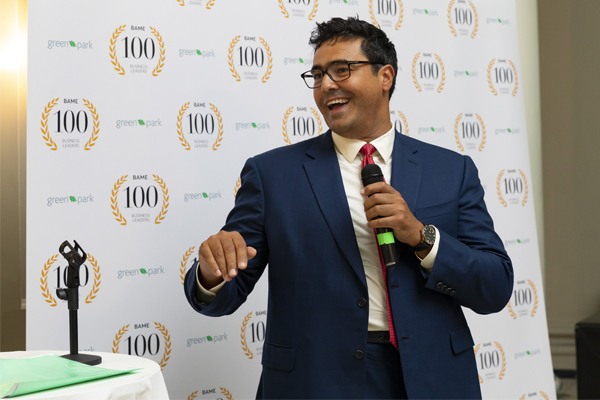
Ritika Wadhwa
Founder and Chief Executive of Prabhaav Global, Ritika Wadhwa has spent more than three decades helping leaders navigate increasingly diverse and interconnected workplaces. Drawing on international board-level experience across three continents, she encourages organisations to recognise Cultural Intelligence (CQ) as an essential leadership capability that strengthens collaboration, innovation and global performance.
Alongside her advisory work, Wadhwa serves on the British Transport Police Strategic Advisory Board and the Westminster Business School Advisory Board. She is also the author of Not Optional: Applying Cultural Intelligence to Lead Through Complexity and Change.
Why this matters: Global leadership requires more than technical expertise. Wadhwa demonstrates how empathy, curiosity and cultural intelligence help organisations build stronger relationships across cultures and markets.
Sal Naseem
Former London Regional Director at the Independent Office for Police Conduct (IOPC), Sal Naseem has become one of Britain’s leading advocates for values-based leadership. As the first South Asian and Muslim Regional Director in the organisation’s history, he challenged institutional discrimination and examined workplace culture to strengthen public accountability and trust.
Today, through executive coaching, speaking and his bestselling book True North: A Story of Racism, Resilience, and Resisting Systems of Denial, Naseem encourages organisations to lead with integrity, courage and accountability.
Why this matters: Trust is earned through accountability. Naseem demonstrates how values-based leadership helps organisations create fairer cultures built on integrity, openness and respect.
Seema Malhotra MP
As Minister for the Indo-Pacific and Minister for Equalities, Seema Malhotra MP has built a career focused on widening opportunity and strengthening equality across public life.
Before entering Parliament in 2011, she worked in business strategy at Accenture and PwC and co-founded the Fabian Women’s Network, reflecting her longstanding commitment to supporting women in leadership. Throughout her parliamentary career, she has championed employment, enterprise, skills and economic inclusion, highlighting the importance of ensuring everyone has the opportunity to succeed.
Why this matters: Public policy plays a vital role in shaping opportunity. Malhotra demonstrates how inclusive policymaking can help strengthen workplaces, support enterprise and build more resilient communities.
Baroness Shriti Vadera
Baroness Shriti Vadera has built one of Britain’s most distinguished careers across government, international finance and corporate leadership.
She serves as Chair of Prudential plc and became the first woman and first person of colour to chair a FTSE 20 bank during her time at Santander UK. Her career has also included serving as a UK Cabinet Office Minister and advising the G20 during the global financial crisis, helping shape conversations around governance, economic resilience and responsible business.
Why this matters: Effective governance underpins responsible business. Baroness Vadera demonstrates how experienced, diverse leadership strengthens organisational resilience, accountability and long-term success.
Suki Sandhu OBE
Suki Sandhu OBE is one of the UK’s most influential diversity entrepreneurs, having spent more than two decades helping organisations rethink leadership, executive recruitment and workplace inclusion. Through the businesses he founded – Audeliss, an executive search firm specialising in diverse leadership, and INvolve, a global consultancy helping organisations build more inclusive cultures – he has worked with many of the world’s leading employers to strengthen leadership pipelines and create more representative workplaces.
Sandhu is also the founder of the internationally recognised INvolve Role Model Lists, including EMpower, HERoes, OUTstanding and Disability Role Models, which celebrate senior leaders and emerging talent advancing inclusion across business. The lists have become an influential global benchmark, recognising thousands of executives while helping organisations highlight the importance of visible role models, sponsorship and inclusive leadership.
Awarded an OBE for services to diversity in business, Sandhu is a Stonewall Ambassador, board member of OutRight International and Patron of akt, supporting LGBTQ+ young people experiencing homelessness. Through executive search, global benchmarking, research and advocacy, he has helped influence how organisations measure progress on leadership diversity, representation and inclusion across the world.
Why this matters: Leadership pipelines become stronger when opportunity is widened. Sandhu demonstrates how inclusive recruitment, visible role models and sustained advocacy help organisations build more representative leadership, strengthen organisational performance and create workplaces where talent can thrive regardless of background.
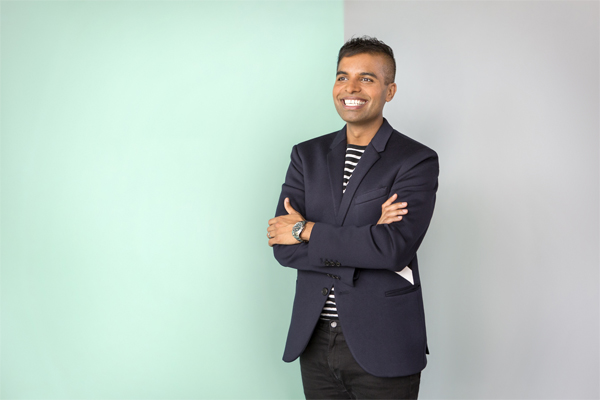
Tokeer Ahmed
Tokeer Ahmed is an award-winning technology leader, workplace inclusion specialist and international speaker who has spent more than 14 years helping drive digital transformation and workplace inclusion at Capgemini. As Head of Salesforce Transformation for DCX UK, he combines technology leadership with a strong commitment to creating more inclusive workplaces.
Alongside his corporate role, Ahmed has played a pivotal role in advancing race equality and cultural inclusion within Capgemini. As Chair of the company’s UK Race & Equality Network (REN), he helped develop its first ethnicity action plan, strengthen board-level accountability for inclusion, and expand the network to include multiple faith communities. He also co-founded CulturALL, a global employee network that promotes cultural understanding and collaboration across international teams.
Beyond Capgemini, Ahmed supports young people and underrepresented talent through mentoring initiatives with organisations including The King’s Trust and Niyo Enterprises. His contributions have been recognised through numerous industry honours, including being named among the Top 50 Influential Muslims in Europe and receiving the Inspirational Role Model of the Year award at the British Diversity Awards.
Why this matters: Employee networks can become powerful drivers of organisational change when they are supported by senior leadership and aligned with business strategy. Tokeer Ahmed demonstrates how inclusion, accountability and collaboration can strengthen workplace culture while helping organisations attract, develop and retain diverse talent.
Dr Zaheer Ahmad MBE
Dr Zaheer Ahmad MBE is an internationally recognised diversity, equity and inclusion leader whose career spans business, policing, sport and public policy. As Head of Unifying Culture at BDO UK, he helps organisations build inclusive cultures where diversity is embedded into leadership, governance and organisational strategy.
Previously, Ahmad held senior global inclusion roles at Haleon, GSK Consumer Healthcare and EY, leading large-scale cultural transformation programmes across international organisations. Beyond the corporate sector, he advises the Premier League’s Equality Standards, serves on the Toyota Motor Europe Diversity Board and has contributed to national policing, Home Office and Ministry of Justice initiatives throughout his distinguished public service career.
He is also the founder of EqualityX, the organisation behind the Top 25 Inclusive Muslim Employers benchmark, which promotes greater transparency and accountability around workplace inclusion. Awarded an MBE for services to equality, Ahmad has also been recognised internationally, including being named European Diversity Hero of the Year.
Why this matters: Creating inclusive organisations requires leadership, accountability and measurable action. Dr Ahmad demonstrates how embedding inclusion into organisational culture, governance and decision-making helps organisations build trust, strengthen performance and create workplaces where everyone has the opportunity to succeed.
INCLUSION & BELONGING
Creating inclusive workplaces is about more than representation. It is about ensuring people feel respected, valued and able to contribute throughout their careers. The changemakers featured in the following sections are helping make that happen. Across healthcare, education, business and community life, they are challenging barriers, amplifying underrepresented voices and encouraging organisations to create cultures where people can thrive.
Whether championing LGBTQ+ equality, disability inclusion, neurodiversity, women’s leadership or health equity, they demonstrate that inclusion is most powerful when it embraces people’s whole identities, lived experiences and potential.
LGBTQ+ Equality: Creating workplaces where everyone can be their authentic selves
Authenticity should never come at the expense of opportunity. Yet too many LGBTQ+ people still experience barriers to inclusion, visibility and career progression.
The leaders featured in this section are helping change that reality. Through advocacy, healthcare, education, community leadership and storytelling, they are creating workplaces and communities where people feel safe to be themselves, supported to succeed and empowered to reach their potential.
Their work shows that when people can bring their whole selves to work, organisations benefit from greater trust, stronger collaboration and a deeper sense of belonging.
Amir Kabel
Amir Kabel is an international diversity, equity and inclusion leader who has spent more than 18 years helping multinational organisations create more inclusive workplaces across Europe, North America and the Middle East. As Vice President and Head of International Equality at Salesforce, he leads global equality strategies that support employees across diverse markets and cultures.
Before joining Salesforce, Kabel held senior HR and inclusion leadership roles at adidas, Burberry, Vodafone and Coty, where he helped embed inclusion into leadership, talent and organisational development. Throughout his career, he has championed intersectional LGBTQ+ inclusion alongside wider organisational transformation, helping organisations build more equitable cultures across international markets. An alumnus of Oxford Saïd Business School, he has been recognised multiple times in The Economist‘s Global Top 50 Diversity Professionals list.
Why this matters: Inclusive organisations perform best when people feel able to contribute as their authentic selves. Kabel demonstrates how global equality strategies can help organisations build consistent, accountable cultures where inclusion is embedded across every market rather than treated as a regional initiative.
Anick Soni
Writer, researcher and advocate Anick Soni is one of the UK’s leading voices on intersex equality and human rights. As a Fellow of the Royal Society of Arts (FRSA) and co-founder of InterconnectedUK (iCONUK), he combines academic research, legal expertise and public advocacy to improve understanding of intersex people and challenge long-standing misconceptions.
Through collaborations with organisations including the BBC, Channel 4 and international human rights bodies, Soni has worked to improve representation across media, healthcare and public policy. His work continues to raise awareness of one of the least understood communities within the LGBTQ+ spectrum while encouraging more informed conversations around identity, bodily autonomy and inclusion.
Why this matters: Creating inclusive workplaces means recognising people whose experiences have often been overlooked. Soni’s work encourages organisations to broaden conversations around identity and belonging while ensuring intersex people are represented more accurately and respectfully.
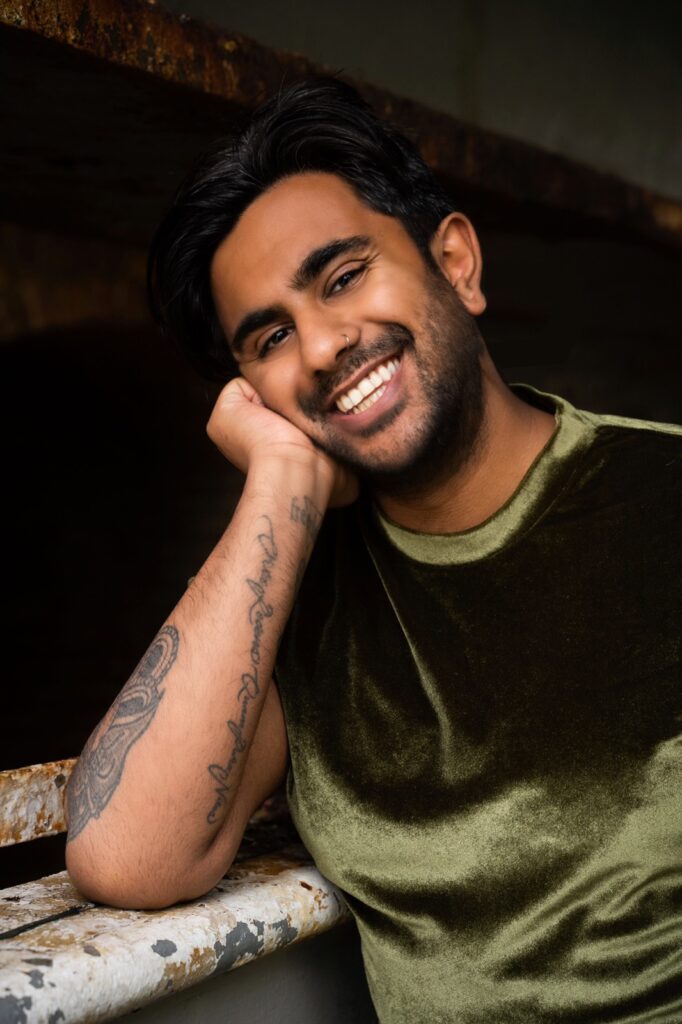
Anjeli Patel
Anjeli Patel is a diversity consultant, public speaker and transgender advocate who helps organisations create more inclusive workplaces for transgender and non-binary employees. During her time at EY, she helped develop gender identity policies, advised on inclusive workplace facilities and delivered inclusion training to more than 2,000 colleagues.
Today, Patel works with organisations to strengthen psychological safety, improve workplace policies and create cultures where trans employees feel respected, supported and able to thrive. She also serves on advisory boards including All About Trans, the trans*formation ambassador network and the INvolve OUTstanding Trans advisory board, helping organisations translate inclusion into practical action.
Why this matters: Policies are only effective when supported by visible leadership and everyday practice. Anjeli Patel demonstrates how practical inclusion can help organisations create safer workplaces where everyone has the opportunity to succeed.
Azeem Ahmad
Clinical pharmacist, human rights advocate and intersectionality specialist Azeem Ahmad has spent many years encouraging greater understanding at the intersection of faith, sexuality and identity. As co-founder and former trustee of Imaan, the UK’s leading LGBTQ+ Muslim organisation, he has helped create support networks for people navigating both religious and LGBTQ+ identities.
Alongside his healthcare career, Ahmad advises organisations, public health bodies and charities on faith inclusion, LGBTQ+ equality and culturally informed leadership. Through his long-standing work with Naz Project London and other sexual health initiatives, he has also supported mental health and wellbeing within ethnically diverse communities while challenging the misconception that faith and LGBTQ+ identities are incompatible.
Why this matters: Inclusive workplaces recognise that people bring multiple identities to work. Azeem Ahmad demonstrates how organisations can build cultures where faith, sexuality and heritage are understood as complementary rather than conflicting parts of people’s lives.
Deon Pillay
Deon Pillay is an award-winning technology leader, organisational change specialist and inclusion advocate who has spent almost two decades modernising systems and strengthening workplace inclusion within financial services. Formerly Head of Marketing Technology, Enablement and Governance at Legal & General Investment Management, he combines digital transformation with a strong commitment to creating more equitable workplaces.
Pillay previously co-chaired LGIM’s Diversity Network and co-founded InterInvest, a leading network supporting LGBTQ+ professionals across the investment industry. A certified executive coach and mentor, he has helped improve visibility, collaboration and inclusion across financial services while supporting the development of future leaders. His work has been recognised through the British LGBT Diversity Awards and repeated inclusion in the global INvolve OUTstanding Role Model Lists.
Why this matters: Inclusive leadership depends on people using their influence to create opportunities for others. Pillay demonstrates how employee networks, mentoring and visible leadership can strengthen workplace culture while helping diverse talent flourish.
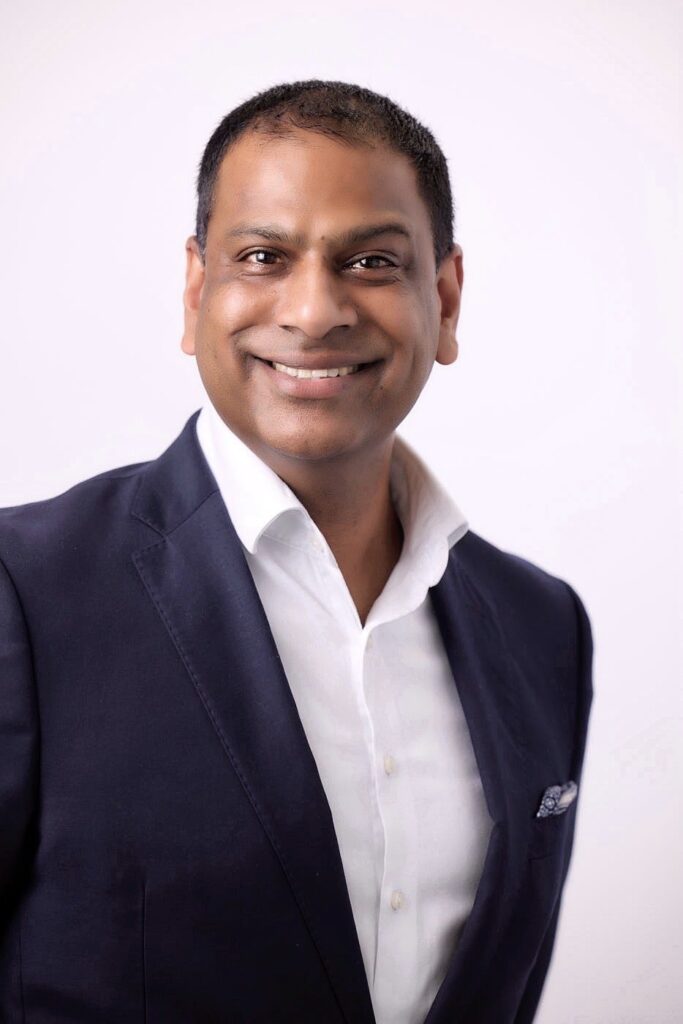
Gurchaten Sandhu
Gurchaten Sandhu is an international human rights leader specialising in LGBTQ+ equality, labour rights and social justice. As Director of Programmes at ILGA World, they oversee global advocacy, research and capacity-building initiatives spanning more than 160 countries.
Before joining ILGA World, Sandhu spent 14 years with the International Labour Organization (ILO), where they led work on non-discrimination and equality, helping integrate LGBTQ+ rights into international labour standards and advising multinational organisations on workplace equality. They also serve on the global steering committee for IDAHOBIT and the board of The Social Change Nest. Their work has been recognised internationally, including twice being named the No. 1 Global LGBT+ Future Leader by the Financial Times and INvolve.
Why this matters: Workplace inclusion is closely connected to wider human rights. Sandhu demonstrates how international policy, collaboration and advocacy can strengthen workplace protections and equality across different countries and cultures.
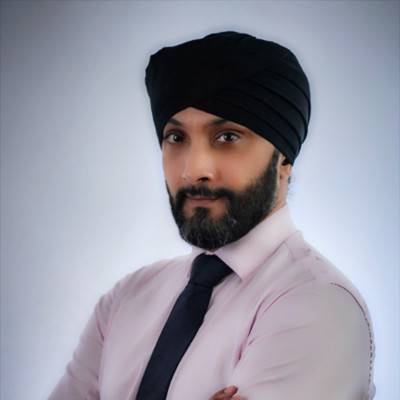
Kamran Khan
Former Assistant Director of Human Resources at Transport for London, Kamran Khan has spent more than two decades helping organisations embed inclusion into leadership, organisational development and people strategy across the public sector.
Alongside his professional career, he serves as Volunteer Director of Policy, Governance and Delivery for Pride in Education, supporting inclusive education and LGBTQ+ equality. Drawing on experience at the GLA and Southwark Council in EDI, workforce culture and transformation capacities, Khan continues to champion leadership that places belonging, wellbeing and authenticity at the heart of workplace culture.
Why this matters: Inclusive cultures do not happen by accident. Khan demonstrates how leadership, governance and people practices can work together to create workplaces where everyone feels valued, respected and supported.
Khakan Qureshi BEM
Awarded the British Empire Medal for services to equality, Khakan Qureshi BEM founded Finding A Voice (formerly Birmingham South Asians LGBT+) to support LGBTQ+ people from South Asian communities. Through community programmes, education and grassroots advocacy, he has created safe spaces where people can explore their identity while building greater understanding between faith, culture and LGBTQ+ communities.
Drawing on both lived experience and a background in local government and family support, Qureshi has delivered training for organisations across the UK, helping improve understanding of intersectionality and ensuring South Asian LGBTQ+ voices are represented within wider diversity and inclusion conversations.
Why this matters: Community organisations often lead the way in creating lasting social change. Qureshi demonstrates how education, dialogue and safe spaces help strengthen inclusion while ensuring people feel accepted, respected and able to be themselves.
Laks Mann MBE
Laks Mann MBE made history as the UK’s first openly gay South Asian Sikh police officer. During a distinguished career with the Metropolitan Police Service, he challenged discrimination while championing greater representation, inclusion and trust across public services.
Alongside his policing career, Mann founded Gaysians UK, creating a supportive community for LGBTQ+ South Asians, and serves as a Commissioner on the London Assembly Equality, Diversity and Inclusion Advisory Group. Open about his own experience of neurodiversity, he advises organisations on inclusive leadership, intersectionality and workplace culture. Awarded an MBE by King Charles III for services to diversity, equity and inclusion, he continues to encourage people to pursue leadership without compromising their identity.
Why this matters: Visible leadership creates opportunity. Laks Mann demonstrates how authenticity, representation and lived experience can help organisations build cultures where people feel confident bringing their whole selves to work.
Parminder Sekhon
As Chief Executive of NAZ (formerly Naz Project London), Parminder Sekhon has dedicated her career to improving health outcomes for LGBTQ+ communities, particularly people from Black, Asian and ethnically diverse backgrounds.
Under her leadership, NAZ has expanded culturally responsive sexual health services, HIV prevention programmes and mental health initiatives, helping reduce health inequalities while improving access to inclusive healthcare. Drawing on more than two decades of leadership across the voluntary, community and social enterprise sector, she also works with NHS organisations and public health bodies to strengthen culturally competent healthcare and inclusive service design.
Why this matters: Health equity is central to inclusion. Sekhon demonstrates why healthcare services must reflect the diversity of the communities they serve, helping improve wellbeing, reduce inequalities and create healthier workplaces and communities.
Prasad Hattikudur
Alongside his leadership role within Deutsche Bank’s Group Chief Operating Office supporting Compliance and Anti-Financial Crime, Prasad Hattikudur has become a respected advocate for LGBTQ+ inclusion and ethnic minority representation across financial services.
As Co-Chair of dbPride UKI and co-lead of InterBank’s Inclusion Sub-Committee, he has helped strengthen collaboration across the banking sector while promoting intersectional leadership and visible allyship. Recognised on the UK-India Achievers List and as an INvolve EMpower Role Model, he continues to mentor future leaders and encourage organisations to recognise inclusion as a shared responsibility.
Why this matters: Leadership creates lasting impact when it opens opportunities for others. Hattikudur demonstrates how visible advocacy, mentoring and collaboration help organisations build more inclusive cultures where diverse talent can thrive.
Raga D’Silva
Entrepreneur, author and speaker Raga D’Silva is helping broaden conversations around ageing, LGBTQ+ inclusion and intergenerational belonging. As co-creator and host of the Older Queer Voices podcast alongside Nicola Fenton, she has created a platform celebrating the experiences, history and contributions of older LGBTQ+ people.
The initiative has grown into a wider community that explores ageing, identity, faith and representation while bringing together different generations through storytelling, discussion and the Older Queer Voices Festival. Alongside this work, D’Silva co-founded OUTspoken Speakers and continues to advise organisations on inclusive leadership, psychological safety and age inclusion.
Why this matters: Inclusion should extend across every stage of life. D’Silva demonstrates how valuing older voices and encouraging intergenerational dialogue helps organisations build more inclusive, connected and resilient cultures.
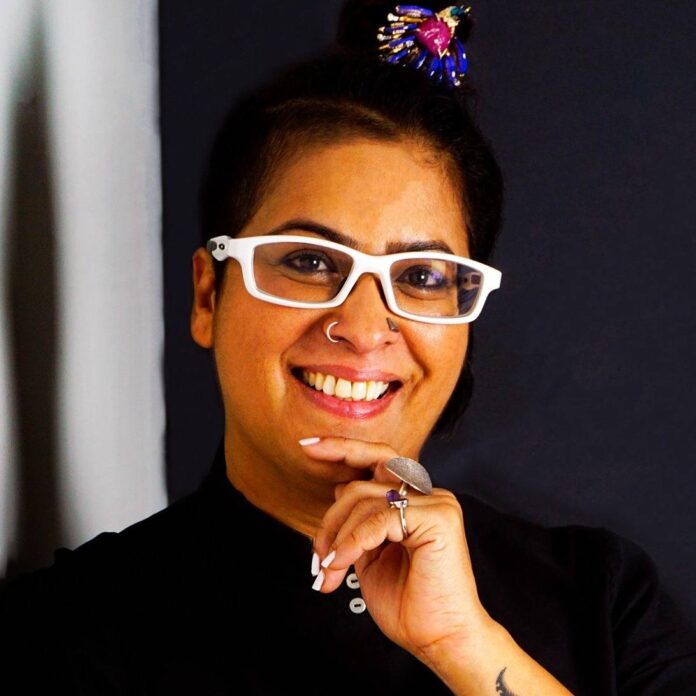
Sabah Choudrey
Author, youth worker and co-founder of Trans Pride Brighton, Sabah Choudrey is one of the UK’s leading advocates for transgender and non-binary communities. Through youth work with organisations including Gendered Intelligence and Metro Charity, they have spent more than a decade creating safer, more inclusive spaces for young LGBTQ+ people.
Choudrey is also the author of Supporting Trans and Queer People of Colour: How to Make Your Practice Inclusive, helping organisations better understand the intersections of gender identity, race, faith and inclusion. Their work continues to support young people while improving inclusive practice across education, healthcare and workplaces.
Why this matters: Young people flourish when they feel accepted and supported. Choudrey demonstrates how education, representation and inclusive practice help create environments where everyone has the confidence to be themselves.
Saima Razzaq
As Director of Change and Communications at Birmingham Pride, Saima Razzaq has become an influential advocate for LGBTQ+ inclusion, race equality and faith-based dialogue. She made history as the first Muslim woman to lead a Pride parade in Great Britain, helping challenge assumptions around faith, sexuality and identity.
A founding member and co-chair of SEEDS (Supporting the Education of Equality in Schools), Razzaq has helped build a network of more than 1,000 educators committed to protecting inclusive education. Through public engagement, community dialogue and advocacy, she continues to promote understanding across different communities.
Why this matters: Meaningful dialogue builds stronger communities. Razzaq demonstrates how education, openness and collaboration can help reduce prejudice while creating more inclusive workplaces and society.
Seyan Sarvan
Actor, writer and activist Seyan Sarvan uses storytelling to improve representation for LGBTQ+ people and communities of colour across television, theatre and film. She is widely recognised for her role as Lizbeth Farooqi in Russell T Davies’ BAFTA-winning drama It’s a Sin and has also appeared in productions including The Baby.
Alongside her acting career, Sarvan has spoken openly about identity, mental wellbeing and intersectionality. Her play The Grid, written while training as an actor, raised awareness of children’s mental health, with proceeds supporting the Mental Fight Club charity. Through her creative work, she continues to challenge stereotypes while broadening representation across the arts.
Why this matters: Stories shape understanding. Sarvan demonstrates how authentic representation in film, television and theatre helps create greater empathy while ensuring more people see themselves reflected on screen.
Shiva Raichandani
BAFTA-nominated filmmaker Shiva Raichandani is one of the UK’s leading emerging voices exploring gender identity, family and belonging through documentary and short film.
They won the inaugural Netflix Documentary Talent Fund with Peach Paradise, while their musical short Queer Parivaarwon the BAFTA-qualifying Iris Prize and was broadcast on Channel 4. Their documentary Always, Asifa, following Britain’s first openly Muslim drag queen, received a BAFTA Television Award nomination. Represented by Curtis Brown and recognised as a TV Collective Breakthrough Leader, Raichandani continues to create films that challenge assumptions and broaden understanding.
Why this matters: Film has the power to build empathy and challenge stereotypes. Raichandani demonstrates how authentic storytelling can broaden representation while creating greater understanding of gender identity, family and belonging.
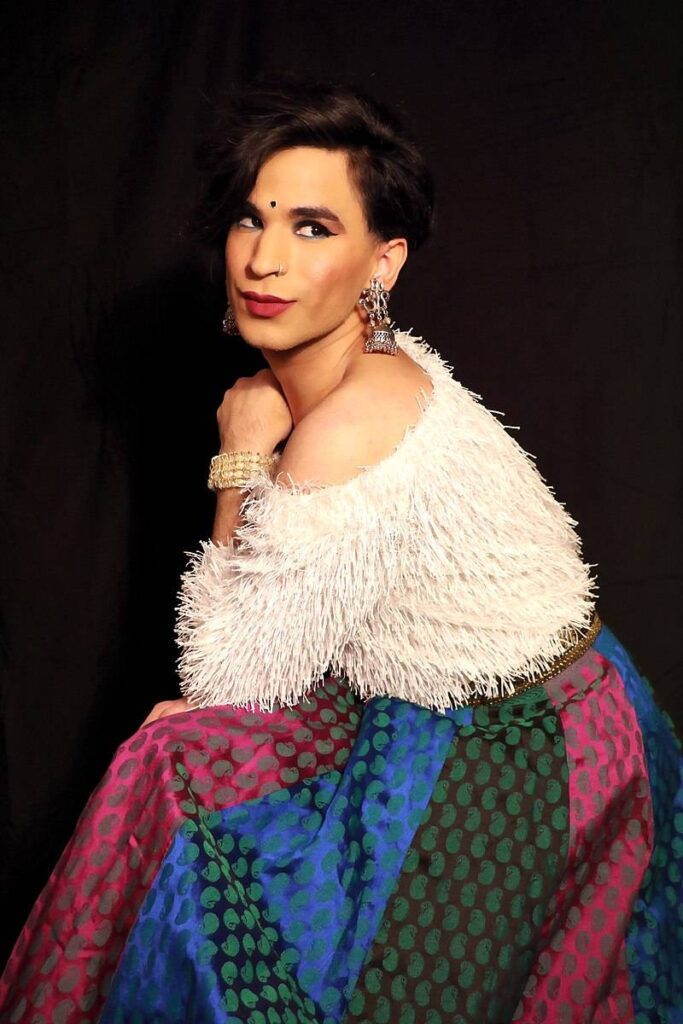
Woosh Raza
As Director of People, Culture and Inclusion at NCVO, Woosh Raza combines expertise in organisational development, anti-racism and LGBTQ+ inclusion to help charities and employers create fairer workplaces.
Drawing on more than 15 years of senior HR leadership across the public, private and voluntary sectors, Raza advises organisations on workplace culture, psychological safety and inclusive leadership. A Fellow of the Royal Society of Arts (FRSA), respected speaker and adviser, he has been recognised through the INvolve EMpower Role Model Lists and as a finalist for HR Director of the Year for his contribution to inclusive leadership.
Why this matters: People leaders play a vital role in creating inclusive workplaces. Woosh Raza demonstrates how fairness, trust and belonging can be embedded into organisational strategy and everyday practice, helping organisations create cultures where everyone can contribute and succeed.
DISABILITY, NEURODIVERSITY & ACCESSIBILITY
Removing barriers and creating workplaces where everyone can thrive
Talent comes in many forms, and organisations perform best when everyone has the opportunity to contribute, succeed and belong. Yet disabled and neurodivergent people continue to face unnecessary barriers in education, employment and everyday life, limiting opportunities for individuals and organisations alike.
The changemakers featured here are helping change that reality. Through healthcare, accessibility, entrepreneurship, education and advocacy, they are encouraging organisations to move beyond compliance and recognise disability inclusion as a driver of innovation, better decision-making and stronger workplace culture.
Their work reminds us that accessibility benefits everyone. By designing workplaces, services and communities that remove barriers from the outset, organisations create environments where more people can contribute, thrive and reach their full potential.
Dhiren Doshi-Smith
Registered therapeutic counsellor, speaker and writer Dhiren Doshi-Smith combines professional expertise with lived experience to improve understanding of ADHD, mental health and identity. An ADHD UK Ambassador and corporate trainer, he advises organisations on neurodiversity, psychological safety and inclusive workplace culture.
As a queer British Indian man diagnosed with ADHD later in life, Doshi-Smith also works with organisations including We Create Space to support LGBTQIA+ and ethnically diverse communities while encouraging more open conversations about shame, identity and emotional wellbeing. Through counselling, public speaking and advocacy, he continues to help employers better understand the importance of creating psychologically safe workplaces.
Why this matters: Psychological safety is fundamental to inclusion. Dhiren Doshi-Smith demonstrates that organisations are strongest when people feel supported, understood and able to think differently without fear of judgement.
Kamran Mallick
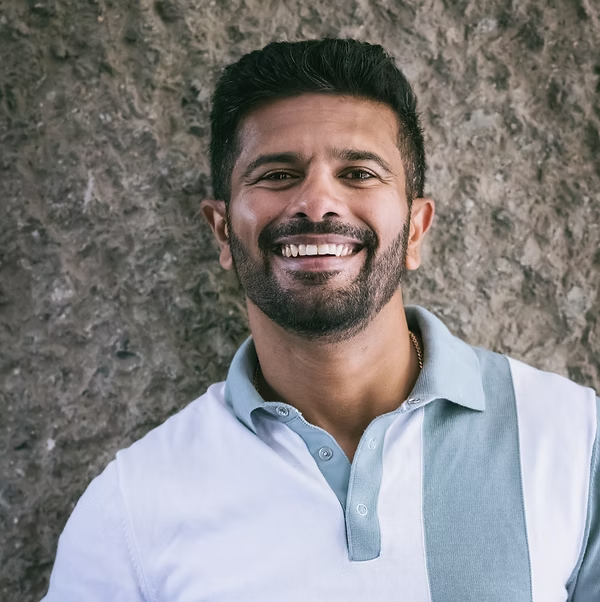
Kamran Mallick is Chief Executive of Disability Rights UK, the UK’s leading Disabled People’s Organisation, where he leads national efforts to advance disability rights, accessibility and independent living. With more than two decades of leadership in the disability sector, he has become one of Britain’s most influential voices on disability inclusion, working with government, employers and civil society to improve access to employment, education, transport, housing and public services.
Before joining Disability Rights UK in 2017, Mallick spent 13 years as Chief Executive of Action on Disability, expanding employment opportunities, supported internships and services for disabled people across west London. Earlier in his career, he worked for spinal injuries charity Aspire and has served on numerous boards, including the Lloyds Bank Foundation for England and Wales, Wheels for Wellbeing, the Lyric Hammersmith Theatre, Candoco Dance Company and Transport for London’s Independent Disability Advisory Group.
A wheelchair user who contracted polio as a child, Mallick frequently speaks about the intersection of disability, race and social justice, highlighting the additional barriers faced by disabled people from ethnically diverse communities. Through his leadership, he continues to champion the rights of disabled people while encouraging organisations to embed accessibility and inclusion into policy, practice and decision-making.
Why this matters: Disability inclusion is strongest when disabled people are represented in leadership and decision-making. Mallick’s work demonstrates how advocacy, lived experience and collaborative leadership can help create a more accessible and equitable society.
Dr Kush Kanodia
Dr Kush Kanodia is one of the UK’s leading disability rights campaigners, social entrepreneurs and systems leaders, recognised for driving policy and accessibility improvements across healthcare, transport and sport. After leaving a successful career in investment banking, he dedicated his career to advancing disability rights, combining professional expertise with lived experience to influence national policy and create lasting systemic change.
Kanodia has led successful campaigns that abolished disabled parking charges across NHS England hospitals, secured important accessibility improvements to London’s Ultra Low Emission Zone (ULEZ), and helped strengthen accessibility standards for disabled football supporters. His work demonstrates how strategic advocacy can remove barriers and improve everyday life for millions of disabled people.
He serves as an adviser to the Global Disability Innovation Hub, Trustee of AbilityNet, Trustee and Director of the Centre for Access to Football in Europe, and Ambassador for Disability Rights UK. Awarded an Honorary Doctor of Science by the University of Kent, he has also been recognised as one of the UK’s most influential disabled people, a Top 10 Influential BAME Technology Leader and Entrepreneur of the Year at the Asian Achievers Awards. Through his work, Kanodia continues to champion the intersection of disability, race, technology and public policy, encouraging organisations to design more accessible and inclusive systems.
Why this matters: Removing barriers requires more than good intentions – it requires systemic change. Kanodia demonstrates how strategic advocacy, innovation and collaboration can improve accessibility, influence public policy and create more inclusive communities.
Dr Nikita Ved MBE
Dr Nikita Ved MBE is recognised for her work advancing equality, accessibility and inclusive leadership across healthcare and academia. As a Research Fellow at the University of Oxford and co-founder of the 1928 Institute, she combines expertise in biomedical science with research exploring health inequalities and British Indian socioeconomic data.
Awarded an MBE for services to the COVID-19 pandemic response, Dr Ved has worked to improve representation across healthcare leadership while encouraging organisations to recognise inclusion as central to better patient care, research and workplace culture. Her work continues to bridge science, public policy and community engagement.
Why this matters: Inclusive leadership improves outcomes for patients, employees and communities alike. Dr Nikita Ved demonstrates how evidence, representation and collaboration help create fairer and more effective healthcare systems.
Ritu Kiran
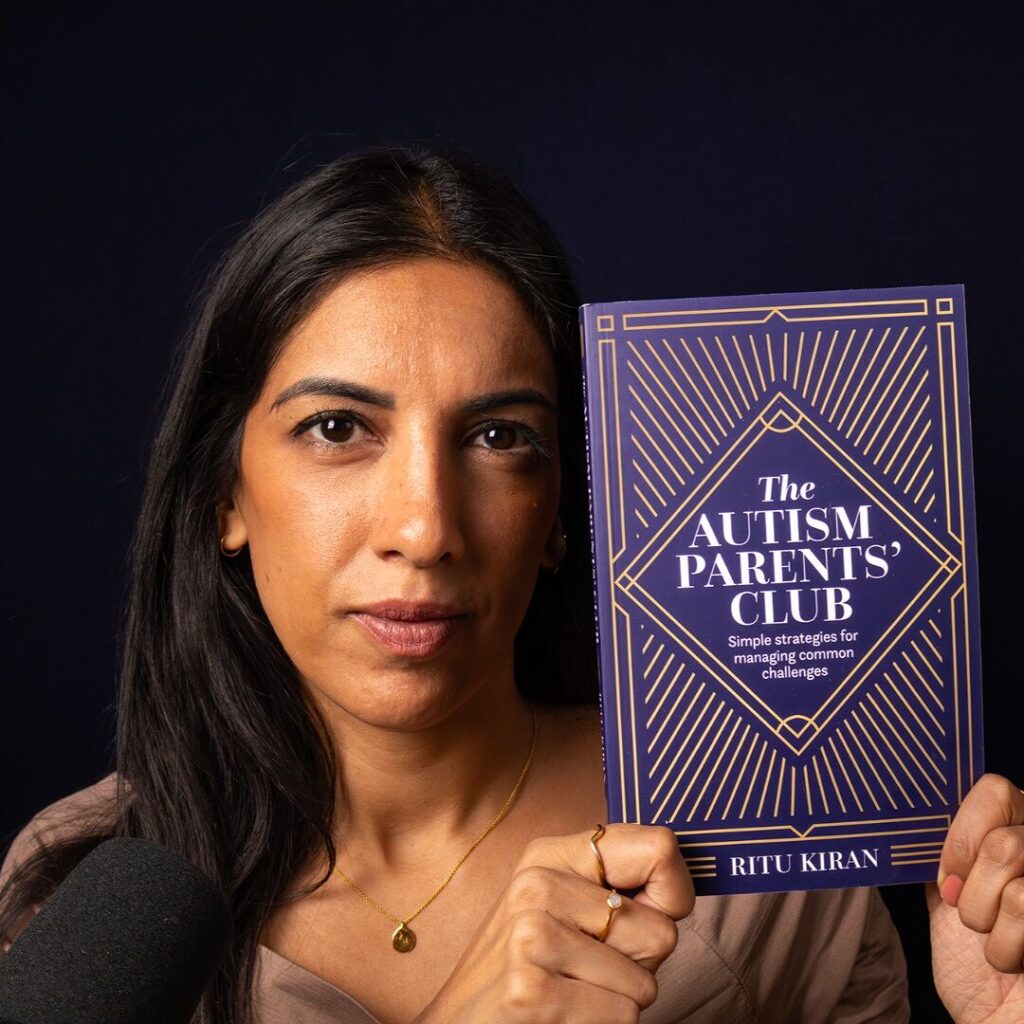
Founder and Chief Executive of Aubilities, Ritu Kiran has become a respected advocate for neurodiversity, autism and family inclusion. Drawing on both her corporate background in HR and technology consulting and her lived experience as an autistic woman and parent of an autistic son, she helps employers better understand and support neurodivergent talent.
Kiran is the author of The Autism Parents’ Club: Simple Strategies for Managing Common Challenges and promotes strengths-based approaches through speaking, coaching and her digital platform, Aubi-One. Her work encourages organisations to recognise the value of different ways of thinking while creating more inclusive recruitment, leadership and workplace practices.
Why this matters: Neurodiversity is a strength when organisations recognise, value and support different ways of thinking. Ritu Kiran demonstrates how inclusive workplaces benefit both individuals and organisations by focusing on strengths rather than deficits.
Dr Shani Dhanda
Dr Shani Dhanda is one of the UK’s leading disability inclusion specialists, using her lived experience of osteogenesis imperfecta (brittle bone disease) to challenge perceptions of disability and accessibility. As founder of the Asian Woman Festival and the Diversability Card – the UK’s first discount card for disabled people – she advises global organisations on accessibility, representation and inclusive leadership.
An internationally recognised keynote speaker, broadcaster and entrepreneur, Dhanda consistently highlights the importance of intersectionality by bringing disability, ethnicity, gender and social inclusion into the same conversation. Her work has been recognised through honours including the Shaw Trust Disability Power 100 and the BBC 100 Women list.
Why this matters: Disability inclusion is both a leadership and business priority. Shani Dhanda demonstrates how accessible design, representation and inclusive leadership create better experiences for employees, customers and society as a whole.
GENDER EQUALITY
Breaking barriers and opening doors for future generations
Creating fairer workplaces means ensuring women have equal opportunities to lead, influence and succeed at every stage of their careers. Progress is measured not only by representation in senior leadership, but by creating cultures where everyone has the opportunity to fulfil their potential.
The changemakers featured here are helping accelerate that progress. Through business, entrepreneurship, leadership development and advocacy, they are supporting women to overcome barriers, expand opportunities and inspire the next generation of leaders. Their work demonstrates that gender equality is not only a matter of fairness, it strengthens organisations by broadening perspectives, improving decision-making and unlocking talent that might otherwise be overlooked.
Ash Ahmad
Founder and Chief Executive of Changing Mindsets, Ash Ahmad has built her career around helping organisations create psychologically safe, inclusive workplaces where people genuinely feel they belong. Drawing on her lived experience as a British Pakistani Muslim woman alongside her expertise as an executive coach and leadership consultant, she works across sectors to develop inclusive, culturally aware leaders.
Through Changing Mindsets, Ahmad designs leadership development programmes that help organisations strengthen workplace culture, improve psychological safety and widen career opportunities for women, particularly women of colour and those from faith communities. A respected speaker, mental health advocate and regular panellist, she encourages leaders to embed inclusion into everyday management, leadership development and organisational strategy.
Why this matters: Gender equality cannot be separated from workplace culture. Ahmad demonstrates that women thrive when organisations build environments rooted in trust, belonging and psychological safety, helping create workplaces where everyone has the opportunity to succeed.
Hira Ali
International leadership coach, bestselling author and founder of Advancing Your Potential, Hira Ali has dedicated her career to helping women achieve their professional ambitions. Drawing on extensive experience in international human resources and leadership development, she advises organisations including Morgan Stanley, GSK and the United Nations on developing more inclusive leadership.
Through executive coaching, international speaking engagements and her bestselling books, Her Way to the Top: A Guide to Smashing the Glass Ceiling and Her Allies: A Framework for Accepting Women’s Leadership, Ali provides practical strategies to help women navigate workplace barriers while encouraging men to become active allies. A regular contributor to Forbes and Entrepreneur, she continues to champion inclusive leadership and career progression for women around the world.
Why this matters: Gender equality depends on both empowered women and engaged allies. Ali demonstrates how inclusive leadership, coaching and allyship can help organisations create stronger leadership pipelines and more equitable workplaces.
Rupinder Kaur
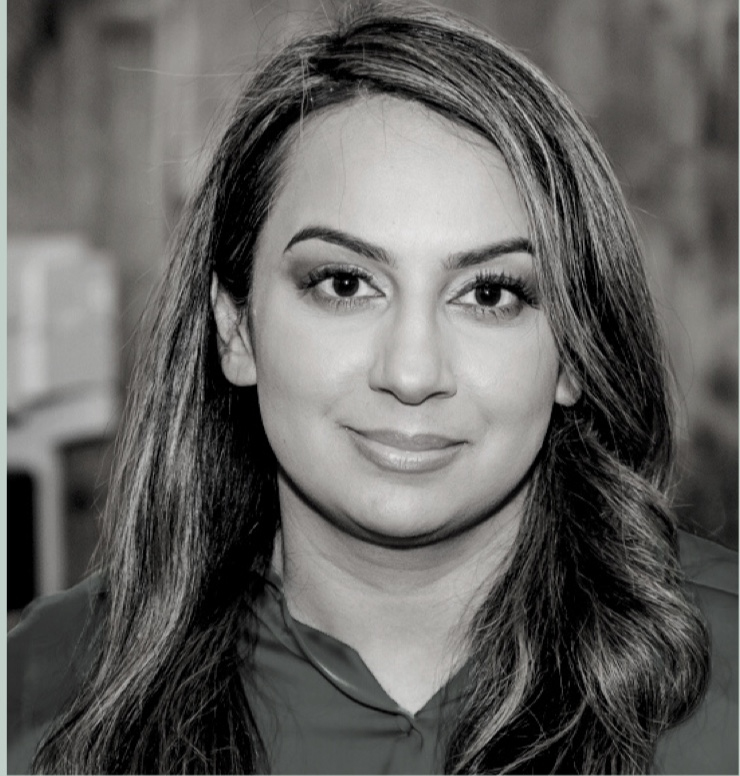
Founder and Chief Executive of Asian Women Mean Business, Rupinder Kaur has created one of the UK’s leading platforms supporting South Asian women in business and entrepreneurship. Combining more than 15 years of experience in human resources, executive recruitment and psychology, she helps women build confidence, strengthen leadership skills and overcome barriers to career progression.
Through mentoring, coaching, networking and corporate partnerships, Kaur supports women at every stage of their professional journey while working with employers to strengthen leadership pathways and improve representation. A respected speaker and corporate trainer, she continues to champion inclusive leadership and greater opportunities for women across business.
Why this matters: Strong networks create stronger leaders. Kaur demonstrates how mentoring, sponsorship and community can help women build confidence, expand opportunities and reach leadership positions across every sector.
Sonya Barlow
Award-winning entrepreneur, broadcaster, author and founder of the LMF Network, Sonya Barlow is helping diversify the technology sector by creating opportunities for women and underrepresented communities. Through her global social enterprise, she has built a community of more than 50,000 people while leading one of the UK’s largest mentoring programmes focused on digital skills, entrepreneurship and career development.
Barlow is the author of Unprepared to Entrepreneur and hosts The Everyday Hustle on BBC Asian Network, where she explores careers, innovation and entrepreneurship. As a speaker and adviser, she works with organisations on artificial intelligence, future skills, neurodiversity and inclusive innovation, helping employers prepare diverse talent for the changing world of work.
Why this matters: Innovation depends on diverse perspectives and inclusive opportunities. Sonya Barlow demonstrates how mentoring, entrepreneurship and future skills can help more women shape the technologies, businesses and workplaces of tomorrow.
WORKPLACE WELLBEING
Putting people at the heart of work
Workplace wellbeing has become a defining leadership challenge. As organisations respond to rising burnout, changing workforce expectations and growing awareness of physical and mental health, supporting people’s wellbeing is increasingly recognised as fundamental to organisational success.
The changemakers featured here are helping broaden the conversation. Through healthcare, psychology, leadership, education and advocacy, they are encouraging employers to create healthier workplace cultures, improve health literacy and recognise that wellbeing is closely connected to inclusion, belonging and performance.
Their work reminds us that when people are supported to thrive, organisations benefit from stronger engagement, greater resilience and more sustainable success.
Dr Nighat Arif
One of Britain’s best-known GPs, broadcasters and health educators, Dr Nighat Arif has become a trusted voice on women’s health. Alongside more than 18 years of clinical experience across the NHS and private practice, she serves as the resident doctor on BBC Breakfast and ITV’s This Morning, helping millions better understand menopause, reproductive health and preventative care through television, radio and social media.
She is the author of the bestselling, fully inclusive illustrated medical guides The Knowledge: Your Guide to Female Health from Menstruation to the Menopause and The Complete Guide to Family Health. Passionate about tackling health inequalities affecting ethnically diverse communities, Dr Arif co-founded The Health Collective and serves as an Ambassador for Wellbeing of Women, championing more equitable access to healthcare and greater awareness of women’s health across every stage of life.
Her contributions have been recognised through the Prime Minister’s Points of Light Award, Woman of the Year at the Asian Achievers Awards, and inclusion in the National Portrait Gallery, where her portrait forms part of its collection celebrating influential figures in British medicine. She also works with employers to encourage greater understanding of women’s health, highlighting its importance to workplace wellbeing, talent retention and organisational performance.
Why this matters: Women’s health is a workplace issue as well as a healthcare issue. Dr Nighat Arif demonstrates that improving awareness, reducing stigma and creating supportive workplace cultures helps organisations retain talent, improve wellbeing and enable more women to thrive throughout their careers.
RESPONSIBLE BUSINESS
Using business as a force for positive change
Business has the power to shape lives far beyond the workplace. The decisions organisations make – about leadership, investment, innovation and people – can influence communities, create opportunities and help tackle some of society’s biggest challenges.
The changemakers featured here are demonstrating what responsible business looks like in practice. Through entrepreneurship, philanthropy, impact investing and purpose-led leadership, they show that long-term success is built not only on commercial performance, but on creating lasting value for people and society.
Amir Rizwan
Amir Rizwan has built his career around helping organisations use finance to tackle social and environmental challenges. With more than 15 years’ experience across impact investing, philanthropy and financial services, he recently led London Social Ventures through its two-year pilot, supporting 94 university-founded social enterprises to grow and scale.
As a Trustee of the Joseph Rowntree Foundation and Chair of the Investment Committee at SIS Ventures, Rizwan advises organisations on impact investment, mission-led finance and social innovation. Earlier leadership roles at Big Society Capital, Comic Relief and CAF Venturesome saw him help charities and purpose-driven businesses secure funding to expand opportunity, reduce inequality and deliver measurable social impact.
Why this matters: Investment has the power to create lasting opportunity. Amir Rizwan demonstrates how purpose-led finance can strengthen communities by helping social enterprises and charities grow sustainably while delivering measurable impact.
Belinda Parmar OBE
Belinda Parmar OBE has spent more than two decades helping organisations understand that empathy is not simply a personal quality but a strategic business capability. As Founder and Chief Executive of The Empathy Business, she advises organisations including Barclays, Unilever and the UK Home Office on designing products, services and workplace cultures that better reflect human needs through research and behavioural insight.
Earlier in her career, Parmar founded Little Miss Geek to challenge gender stereotypes in technology and encourage more girls and women to pursue STEM careers. Today, she continues to champion inclusive innovation, responsible leadership and human-centred design as an adviser to the World Economic Forum and a regular commentator for the BBC and The Guardian.
Why this matters: Empathy is increasingly recognised as a competitive advantage. Parmar demonstrates that organisations create better workplaces, products and services when people remain at the centre of decision-making.
Darain Faraz
Alongside his brother Sheeraz, Darain Faraz co-founded People Like Us, helping transform conversations around ethnic diversity across the UK’s marketing, advertising and communications industries. Drawing on more than 20 years of global communications experience, he recently served as Director of Global Brand Communications at LinkedIn, alongside other roles at WWF and MySpace before setting up People Like Us with his brother.
Through People Like Us, Faraz also co-founded the Ethnicity Pay Gap Campaign, helping secure a parliamentary debate on mandatory ethnicity pay gap reporting for large UK employers. His work continues to influence how organisations measure workforce diversity while encouraging greater transparency, accountability and opportunity across the communications sector.
Why this matters: Measuring inequality is often the first step towards addressing it. Faraz demonstrates how transparency and data can help organisations better understand representation and create more equitable workplaces.
Dr Nik Kotecha OBE
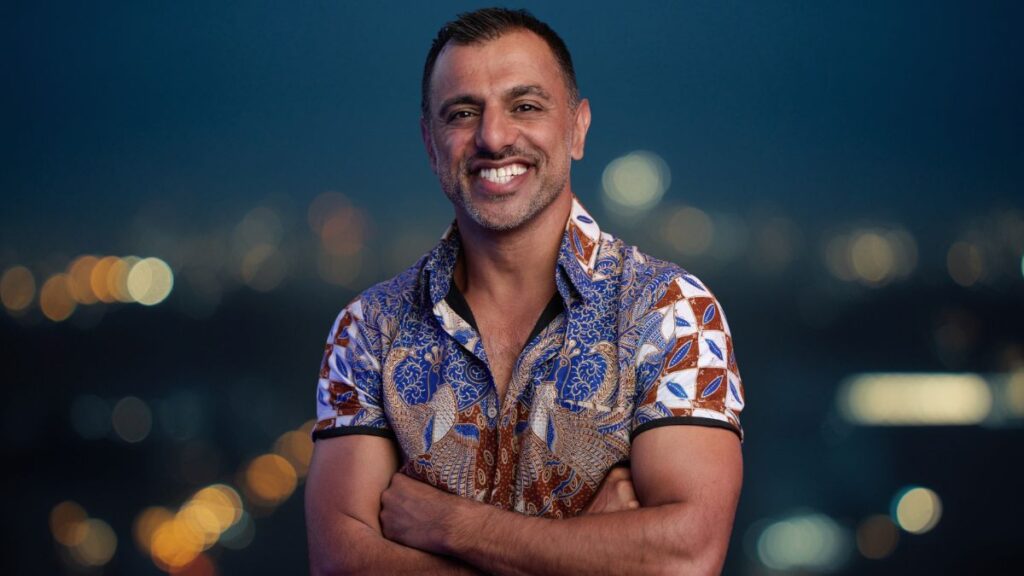
Founder and former Chairman of Morningside Pharmaceuticals, Dr Nik Kotecha OBE has built one of Britain’s most successful pharmaceutical businesses while maintaining a longstanding commitment to education, philanthropy and community investment. Over more than 30 years, he grew the company from a garage start-up into an international business exporting medicines to more than 80 countries.
Together with his wife, Dr Kotecha co-founded The Randal Foundation, supporting schools, universities and charities around the world and helping improve the lives of more than 1.5 million people. A Deputy Lieutenant for Leicestershire, entrepreneur and adviser on trade and business growth, he continues to encourage young people from underrepresented backgrounds to pursue careers in science, healthcare and entrepreneurship.
Why this matters: Responsible businesses create value beyond commercial success. Dr Nik Kotecha demonstrates how entrepreneurship, philanthropy and education can work together to expand opportunity and strengthen communities.
Lord Karan Bilimoria CBE
Founder of Cobra Beer, Lord Karan Bilimoria CBE has combined entrepreneurial success with a lifelong commitment to education, public service and responsible leadership. Over more than three decades, he has grown an internationally recognised business while championing innovation, international trade and skills development.
An independent Crossbench Peer in the House of Lords, Chancellor of the University of Birmingham and former President of the Confederation of British Industry (CBI), Lord Bilimoria has consistently advocated for entrepreneurship, economic growth and stronger links between business and education. He continues to support future business leaders through public service, mentoring and higher education.
Why this matters” Business leaders can play an important role beyond their own organisations. Lord Bilimoria demonstrates how entrepreneurship, education and public service can help create long-term economic and social opportunity.
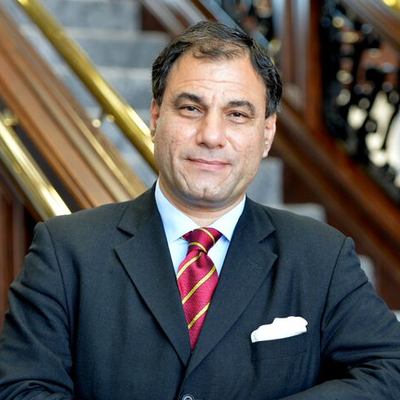
Rajeeb Dey MBE
Founder and Chief Executive of Learnerbly, Rajeeb Dey MBE has dedicated his career to helping people continuously develop their skills in a changing world of work. Through Learnerbly, he has built a learning platform used by more than 100 organisations to support personalised professional development and lifelong learning.
Before launching Learnerbly, Dey founded Enternships, connecting students with entrepreneurial businesses and helping thousands of young people gain valuable work experience. An alumnus of the University of Oxford and a World Economic Forum Young Global Leader, he continues to advise businesses, investors and public bodies on learning, future skills and workforce development.
Why this matters: Learning has become a strategic business priority. Dey demonstrates how investing in continuous development helps organisations build more resilient, adaptable and future-ready workforces.
Rajesh Agrawal
Before entering public service, Rajesh Agrawal founded and successfully exited the international fintech businesses RationalFX and Xendpay before dedicating his career to supporting entrepreneurship and economic growth.
As former Deputy Mayor of London for Business and Growth and now a Member of Parliament, Agrawal has championed innovation, international trade, investment and inclusive economic development. Drawing on both entrepreneurial and public sector experience, he has worked to strengthen London’s position as a global business centre while encouraging greater opportunity for entrepreneurs from diverse backgrounds.
Why this matters: Inclusive economies create stronger societies. Agrawal demonstrates how entrepreneurship and public policy can work together to widen opportunity, encourage innovation and support sustainable economic growth.
Sheeraz Gulsher
As co-founder of People Like Us, Sheeraz Gulsher has helped improve ethnic diversity across the UK’s marketing, communications and creative industries. Drawing on leadership experience at organisations including Sky and Snap Inc., he combines communications expertise with a strong commitment to workplace equality.
Alongside People Like Us, Gulsher co-leads the Ethnicity Pay Gap Campaign with PRWeek, advocating for mandatory ethnicity pay gap reporting. Through mentoring, networking and industry collaboration, he has helped facilitate more than 300 professional mentoring matches and co-led the Cannes Lions-winning #NameTheBias campaign, highlighting the impact of name-based discrimination in recruitment. His work continues to encourage greater transparency, accountability and representation across the creative industries.
Why this matters: Diverse industries generate stronger ideas and better outcomes. Gulsher demonstrates how transparency, mentoring and representation can help organisations build more creative, innovative and inclusive workplaces.
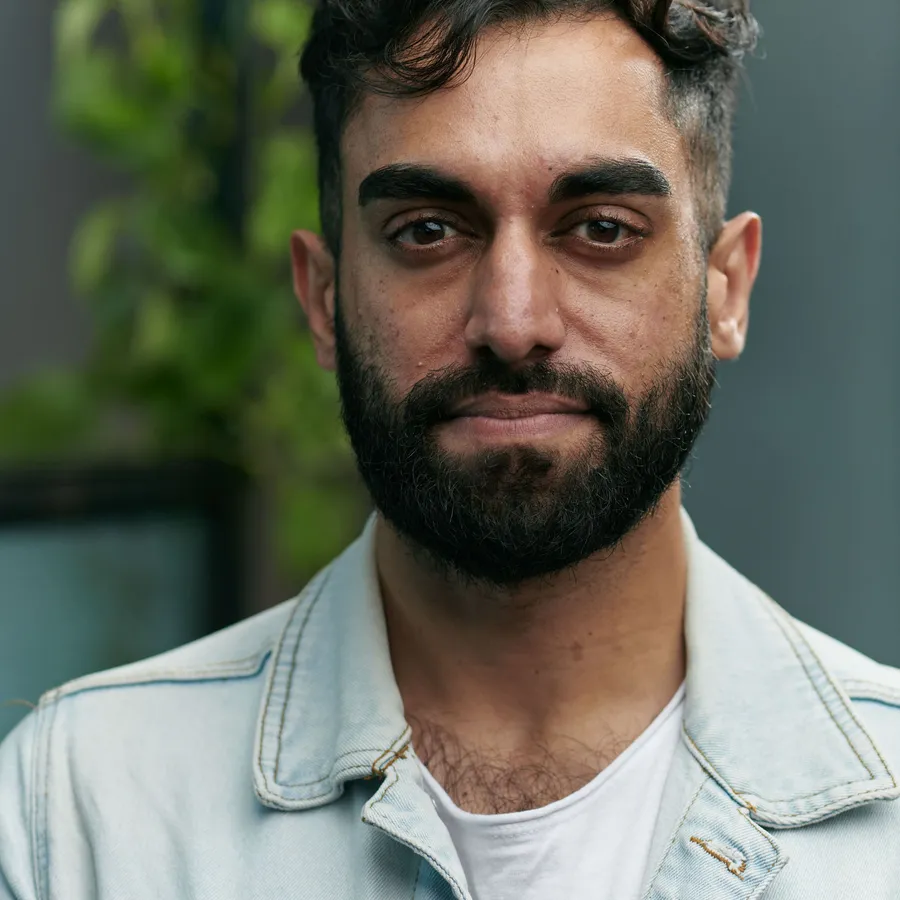
EDUCATION & SOCIAL MOBILITY
Expanding opportunity through education, research and lifelong learning
Opportunity should never be determined by someone’s background. Education, research and lifelong learning have the power to widen horizons, challenge inequality and help people fulfil their potential.
The changemakers featured here are opening doors through education, mentoring, research and advocacy. By encouraging organisations, educators and policymakers to recognise talent wherever it exists, they are helping create fairer pathways into employment, leadership and public life.
Their work reminds us that social mobility begins long before someone enters the workplace. It starts wherever curiosity is encouraged, ambition is supported and potential is given the opportunity to flourish.
Faheem Khan
Founder and Chief Executive of Future Leaders UK, Faheem Khan has dedicated his career to widening opportunity for young people from underrepresented backgrounds. Drawing on more than a decade of experience in education, he progressed from an award-winning Head of Business and Economics to establish one of the UK’s leading organisations focused on social mobility and leadership development.
Inspired by his own lived experience of neurodiversity, Khan has developed programmes that build confidence, leadership skills and career readiness, helping young people access opportunities that have traditionally been out of reach. Working with employers, civic organisations and the Department for Education, he continues to champion fairer pathways into education and employment while encouraging organisations to recognise talent beyond conventional career routes.
Why this matters: Social mobility begins when potential is recognised rather than overlooked. Khan demonstrates how mentoring, education and employer partnerships can help widen opportunity while creating stronger, more diverse leadership pipelines for the future.
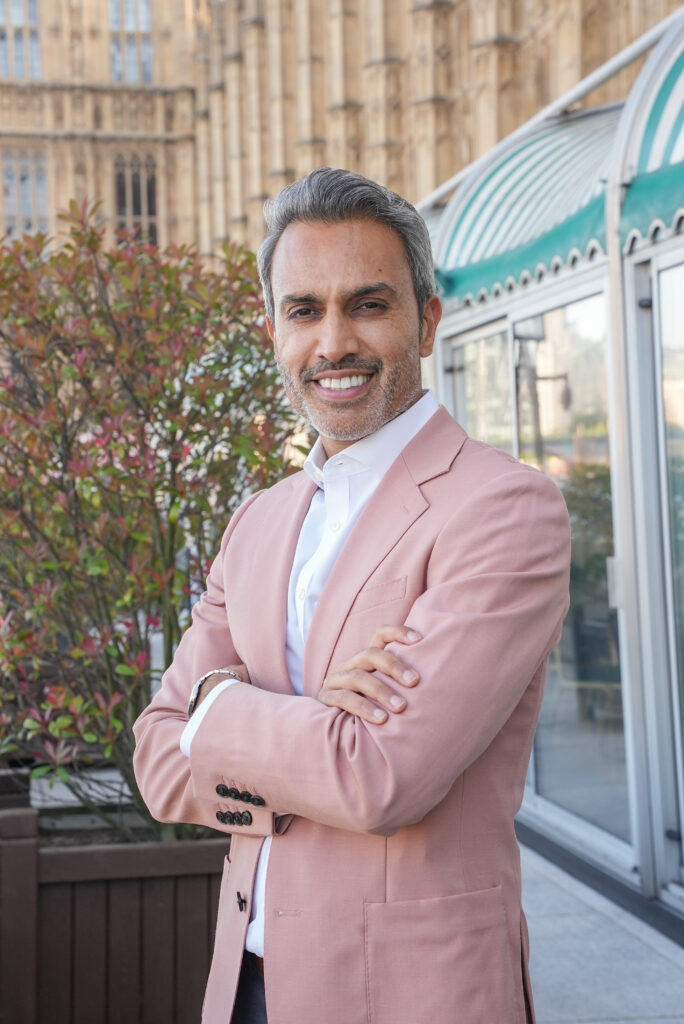
Professor Kalwant Bhopal
Professor Kalwant Bhopal is one of Britain’s leading academics specialising in race, education and social justice. As Director of the Centre for Research in Race and Education (CRRE) at the University of Birmingham, her internationally recognised research examines how structural inequalities influence educational opportunity, access to higher education and career progression for ethnically diverse communities.
Over more than two decades, Professor Bhopal has challenged institutions to confront systemic barriers while influencing national policy, academic debate and public understanding of educational inequality. A Fellow of the Academy of Social Sciences and author of White Privilege: The Myth of a Post-Racial Society, she continues to advocate for education systems that recognise talent and potential regardless of background.
Why this matters: Education remains one of society’s greatest drivers of opportunity. Professor Bhopal demonstrates how evidence-based research can help institutions better understand inequality, challenge systemic barriers and create fairer pathways into education and employment.
Professor Sunita Sah
Internationally recognised organisational psychologist, physician and researcher, Professor Sunita Sah’s work explores ethics, trust, conflicts of interest and why people often struggle to speak up when they witness wrongdoing. As Professor of Management and Organisations at Cornell University’s SC Johnson Graduate School of Business and a member of the Thinkers50 Radar Class of 2026, she has become one of the world’s leading voices on ethical leadership and organisational behaviour.
She is the national bestselling author of Defy: The Power of No in a World That Demands Yes, named one of Bloomberg’s Best Books of 2025. Previously KPMG Professor at Cambridge Judge Business School, Professor Sah works with organisations and policymakers to strengthen ethical decision-making, psychological safety and cultures where people feel confident raising concerns.
Why this matters: Strong organisations depend on people feeling safe to speak up. Professor Sunita Sah demonstrates how ethical leadership, trust and psychological safety help organisations build cultures of accountability, integrity and inclusion.
EQUALITY, JUSTICE & HUMAN RIGHTS
Protecting rights, strengthening democracy and advancing equality
Fair and inclusive societies are built on justice, accountability and respect for human rights. Progress depends on people who are prepared to challenge discrimination, defend the rule of law and ensure everyone is treated with dignity and fairness.
The changemakers featured here have spent their careers advancing equality through law, public service, research and advocacy. Their work reminds us that protecting rights is not only essential to democracy—it also helps create stronger workplaces, more inclusive communities and greater opportunity for future generations.
Baroness Shami Chakrabarti CBE
Barrister, author and member of the House of Lords, Baroness Shami Chakrabarti CBE has spent more than three decades championing civil liberties, equality and human rights. As Director of Liberty (the National Council for Civil Liberties) for more than a decade, she became one of Britain’s leading public voices on discrimination, privacy, freedom of expression and the rule of law.
A Bencher of the Middle Temple and former Shadow Attorney General, Baroness Chakrabarti is the author of On Liberty and Human Rights: The Case for the Defence. Throughout her legal and public life, she has challenged injustice while encouraging governments, employers and public institutions to place fairness, accountability and human dignity at the centre of decision-making.
Why this matters: Fair workplaces depend on fair societies. Baroness Chakrabarti demonstrates how equality, justice and respect for human rights help create organisations built on trust, accountability and dignity.
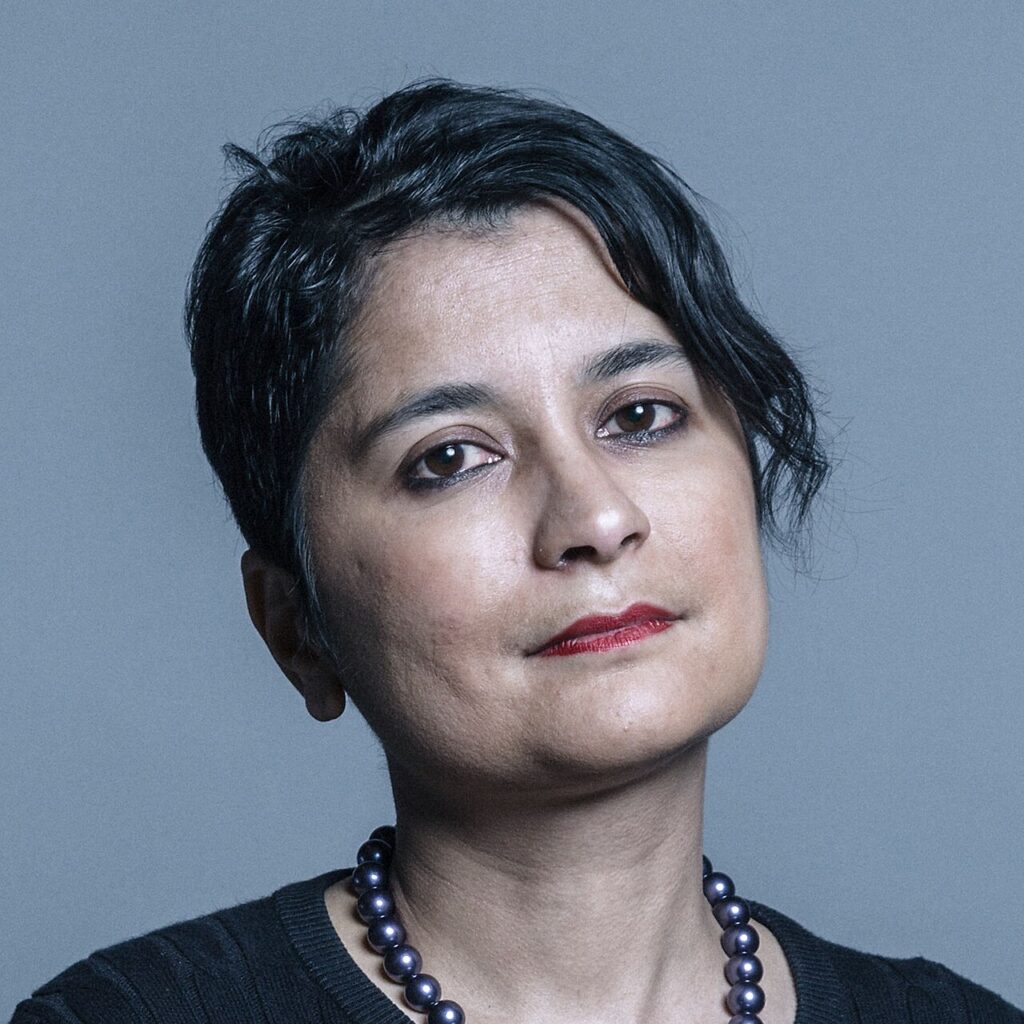
Nazir Afzal OBE
Nazir Afzal OBE has spent more than three decades driving criminal justice reform, institutional accountability and public trust across the UK. As former Chief Crown Prosecutor for North West England, he became the first person from an ethnic minority background to hold one of the Crown Prosecution Service’s most senior regional leadership positions.
During his career, Afzal led prosecutions in some of the country’s most significant cases, including the Rochdale child sexual exploitation prosecutions, while helping strengthen the legal response to domestic abuse, forced marriage and so-called honour-based abuse. More recently, he chaired the Independent Culture Review of the London Fire Brigade, producing recommendations that continue to influence conversations around workplace culture, safeguarding and institutional reform.
Beyond public service, Afzal is Chancellor of Manchester Metropolitan University, Chair of the National Catholic Safeguarding Commission and author of the memoir The Prosecutor. A respected speaker and commentator, he continues to advise organisations, universities and public bodies on leadership, governance, safeguarding and organisational culture.
Why this matters: Trust depends on accountability. Afzal demonstrates how courageous leadership, transparency and safeguarding help organisations create cultures where people feel protected, respected and able to speak up.
COMMUNITY & SOCIAL IMPACT
Creating change from the ground up
Not every changemaker leads a multinational organisation or holds a board position. Across the UK, South Asian charity founders, community leaders, faith leaders and social entrepreneurs are improving lives by tackling inequality, strengthening communities and creating opportunities for people who are too often overlooked.
Their work reminds us that lasting change frequently begins at grassroots level before influencing organisations, public policy and society more widely.
Dr Binita Kane
Alongside her work as a consultant respiratory physician, Dr Binita Kane co-founded South Asian Heritage Month (SAHM), helping create a national platform celebrating the history, culture and contribution of South Asian communities across the UK.
As a leading respiratory physician at Manchester University NHS Foundation Trust, she has also pioneered innovative care for patients with complex respiratory and post-viral conditions while continuing to champion equitable healthcare and cultural representation.
Why this matters: Celebrating heritage strengthens belonging. Through South Asian Heritage Month, Dr Kane has helped create a lasting platform that inspires future generations while encouraging greater understanding of Britain’s diverse communities.
Jasvir Singh CBE
Barrister, broadcaster, founder of City Sikhs and co-founder of South Asian Heritage Month, Jasvir Singh CBE has spent his career bringing communities together through dialogue, education and public engagement.
Alongside his legal career, Singh has chaired the Faiths Forum for London, serves on the board of The King’s Trust and regularly contributes to the BBC on faith and community issues. Awarded a CBE for services to faith communities and social cohesion, he continues to promote understanding between communities while celebrating the contribution of South Asians to British society.
Why this matters: Belonging begins with understanding. Singh demonstrates how dialogue, education and shared heritage help strengthen communities and encourage greater inclusion.
Lord Rami Ranger CBE
Entrepreneur, philanthropist and member of the House of Lords, Lord Rami Ranger CBE has combined business success with decades of charitable giving and community leadership.
Founder of Sun Mark Ltd and Sea, Air & Land Forwarding Ltd, he became the only British business leader to receive five consecutive Queen’s Awards for Enterprise. Alongside his commercial achievements, he has championed entrepreneurship, education, UK–India relations and community cohesion through philanthropy, public service and support for future business leaders.
Why this matters: Business success creates its greatest legacy when it benefits others. Lord Ranger demonstrates how entrepreneurship and philanthropy can expand opportunity and strengthen communities.
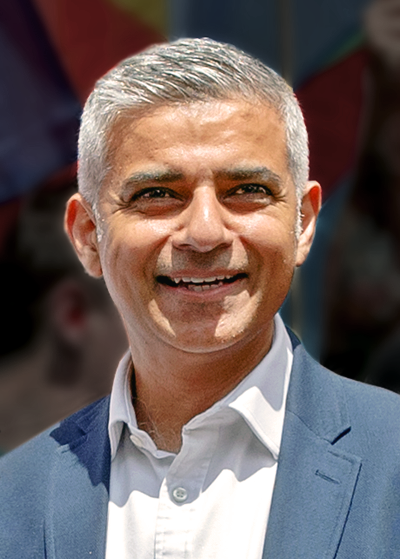
Sir Sadiq Khan
Since becoming Mayor of London in 2016, Sir Sadiq Khan has led one of the world’s most diverse cities through significant economic, social and environmental change. Re-elected for a historic third term in 2024, his administration has prioritised affordable transport, cleaner air, skills, housing and tackling hate crime.
As the first Muslim Mayor of a major Western capital, and later knighted for services to public life, Khan has become an internationally recognised figure for inclusive leadership. Throughout his time in office, he has championed diversity, supported London’s LGBTQ+ communities and promoted policies designed to widen opportunity across the capital.
Why this matters: Cities play a vital role in shaping opportunity. Khan demonstrates how inclusive public policy can help create healthier, fairer and more resilient communities.
Suleman Raza MBE
Founder of One Million Meals and Chief Executive of Spice Village, Suleman Raza MBE has spent more than two decades building stronger relationships between businesses, faith communities and public services.
During the COVID-19 pandemic, he launched a national campaign delivering more than 100,000 meals to NHS staff and vulnerable people while bringing together businesses, volunteers and community organisations. Awarded an MBE for services to business and philanthropy, Raza continues to champion community partnership, social cohesion and practical approaches to supporting those in need.
Why this matters: Strong communities are built through partnership. Raza demonstrates how collaboration between businesses, charities and local communities can create lasting social impact.
MEDIA & ARTS
Changing perceptions through storytelling, journalism and culture
Stories have the power to change how we see the world. Through journalism, broadcasting, film, literature and the arts, they shape public understanding, challenge assumptions and influence conversations about identity, opportunity and belonging.
The changemakers featured here have helped redefine how South Asian communities are represented in British public life. By bringing more authentic voices, experiences and perspectives into the mainstream, they have broadened representation while inspiring future generations of journalists, writers, broadcasters and creatives.
Their work demonstrates that culture can be a powerful catalyst for inclusion, building understanding, celebrating diversity and helping create a society where more people feel seen, heard and valued.
Amol Rajan
As one of the BBC’s leading journalists and presenters, Amol Rajan has become one of Britain’s most influential broadcasters. From serving as the BBC’s Media Editor to presenting University Challenge, the Today programme and major documentaries including The Princes and the Press, Rajan has consistently explored education, politics, social mobility and economic opportunity.
Open about his upbringing as the son of immigrant parents, he has brought fresh perspectives to national conversations around class, aspiration and equality while helping broaden representation within British broadcasting.
Why this matters: Journalism shapes public understanding. Rajan demonstrates how thoughtful reporting can encourage informed conversations about opportunity, education and social mobility.
Anita Rani
Award-winning broadcaster Anita Rani has become one of Britain’s most recognisable presenters through programmes including Countryfile, BBC Radio 4’s Woman’s Hour and documentaries exploring identity, heritage and social change.
As Chief Scout Ambassador and Chancellor of the University of Bradford, she has consistently celebrated South Asian heritage while encouraging conversations around race, belonging and gender equality. Her bestselling memoir, The Right Sort of Girl, further strengthened her role as a leading voice on identity and inclusion.
Why this matters: Representation broadens who feels seen and heard. Rani demonstrates how authentic storytelling helps challenge stereotypes while celebrating the diversity of modern Britain.
Dame Meera Syal CBE
Writer, actor, playwright and broadcaster Dame Meera Syal CBE has transformed representation of British South Asian life through acclaimed works including Goodness Gracious Me, The Kumars at No. 42 and her bestselling novel Anita and Me.
Awarded the BAFTA Fellowship for her outstanding contribution to film and television, Syal has spent decades creating stories that challenge stereotypes while celebrating the humour, complexity and richness of multicultural Britain. Her work across theatre, television and film continues to inspire audiences around the world.
Why this matters: Stories help shape how societies see themselves. Syal demonstrates the power of authentic storytelling to build understanding, empathy and belonging.
Dr Ranj Singh
NHS doctor, broadcaster and author Dr Ranj Singh has become one of Britain’s most trusted public health voices while championing children’s wellbeing, LGBTQ+ equality and mental health.
A practising member of the Royal College of Paediatrics and Child Health, he rose to national prominence through programmes including Get Well Soon and This Morning. Through television, bestselling books and charity work, he has made conversations about physical and emotional wellbeing more accessible while encouraging greater understanding of diversity and inclusion.
Why this matters: Trusted voices can improve lives beyond the consulting room. Singh demonstrates how healthcare professionals can use education, visibility and compassion to support healthier and more inclusive communities.

Gurinder Chadha OBE
One of Britain’s most influential filmmakers, Gurinder Chadha OBE has transformed representation through internationally acclaimed films including Bhaji on the Beach, Bend It Like Beckham and Blinded by the Light.
Her work has inspired audiences around the world while creating greater opportunities for women and ethnically diverse talent within the film industry. Alongside her filmmaking, Chadha has advised organisations including the BFI and BAFTA on improving diversity and inclusion across the creative industries.
Why this matters: Film has the power to challenge perceptions and bring people together. Gurinder Chadha demonstrates how storytelling can celebrate identity while opening doors for future generations of creative talent.
Konnie Huq
As Blue Peter‘s longest-serving female presenter and the programme’s first presenter of South Asian heritage, Konnie Huq inspired generations of young people through science, creativity and curiosity.
An alumna of the University of Cambridge, she continues to champion STEM education, digital literacy and climate awareness through broadcasting, children’s books and screenwriting, including co-writing episodes of Black Mirror. She also supports the British Science Association in encouraging more young people to pursue careers in science and technology.
Why this matters: Early representation shapes lifelong ambition. Konnie Huq demonstrates how positive role models can inspire young people to pursue education, creativity and careers in STEM.
Krishnan Guru-Murthy
One of Britain’s most respected journalists, Krishnan Guru-Murthy has spent more than three decades interviewing political leaders, business figures and public personalities for Channel 4 News.
Known for his thoughtful and rigorous interviewing style, he has helped shape national debate while broadening representation within British journalism. Through programmes including Ways to Change the World, he continues to explore the ideas and people shaping society today.
Why this matters: Strong journalism strengthens democracy. Guru-Murthy demonstrates the importance of accountability, rigorous questioning and diverse perspectives in public life.
Nadiya Hussain MBE
Following her historic victory on The Great British Bake Off, Nadiya Hussain MBE has become one of Britain’s best-loved authors, broadcasters and advocates for mental wellbeing.
Speaking openly about anxiety, motherhood, faith and identity, she has inspired millions through television, bestselling books and public speaking. Her honesty has helped challenge stereotypes while encouraging more open conversations about mental health and belonging.
Why this matters: Authenticity creates connection. Hussain demonstrates how sharing lived experience can reduce stigma while helping more people feel represented and understood.
Naga Munchetty
Award-winning broadcaster Naga Munchetty has become one of Britain’s leading journalists through her work on BBC Breakfast, BBC Radio 5 Live and investigative documentaries.
Alongside her journalism, she has spoken openly about racism, sexism and endometriosis, helping bring conversations about women’s health and inequality into the mainstream while encouraging greater understanding across society.
Why this matters: Journalism informs, challenges and educates. Munchetty demonstrates how honest reporting and lived experience can broaden understanding while giving voice to issues that affect millions.
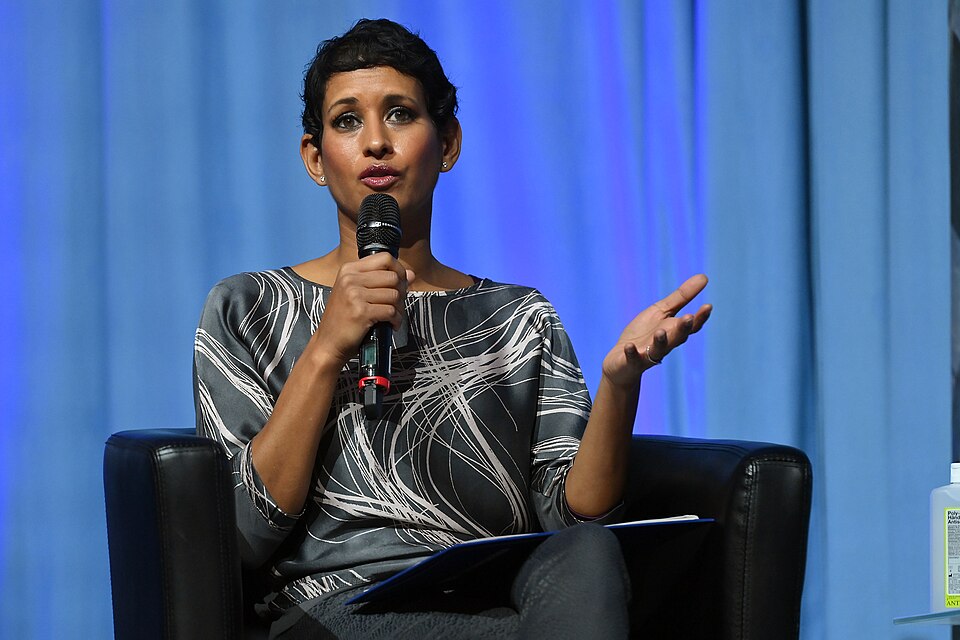
Nikesh Shukla
Author, screenwriter and editor Nikesh Shukla has helped reshape British publishing by creating opportunities for underrepresented writers.
His landmark anthology The Good Immigrant transformed conversations around race, identity and belonging, while The Good Literary Agency continues to support writers from underrepresented backgrounds. A Fellow of the Royal Society of Literature, Shukla remains a leading advocate for greater diversity across publishing and the creative industries.
Why this matters: Literature broadens perspectives and amplifies voices. Shukla demonstrates how publishing can help create a more representative and inclusive cultural landscape.
Nikita Lalwani
Award-winning novelist Nikita Lalwani explores migration, ethics, identity and belonging through fiction that encourages readers to reflect on opportunity and social justice.
Her debut novel Gifted was longlisted for the Booker Prize, while later works including You People examine the lives of undocumented workers and wider questions of inequality. A Fellow of the Royal Society of Literature, Lalwani continues to use storytelling to deepen understanding and empathy.
Why this matters: Fiction allows readers to experience lives beyond their own. Lalwani demonstrates how literature can encourage empathy while deepening understanding of identity, migration and belonging.
Nina Wadia OBE
Nina Wadia OBE has spent more than three decades helping broaden representation on British television, stage and screen. Best known for her roles in Goodness Gracious Me, EastEnders and numerous theatre productions, she has helped challenge stereotypes while bringing more authentic South Asian stories and characters into mainstream entertainment.
Alongside her acting career, Wadia is a passionate advocate for health awareness and charitable causes, serving as an ambassador for organisations including Diabetes UK and JDRF. Through her public profile, she has helped raise awareness of diabetes, encouraged greater representation within the creative industries and inspired future generations of performers from underrepresented backgrounds.
Why this matters: Representation shapes expectations and expands opportunity. Wadia’s career demonstrates how authentic storytelling and visible role models can challenge stereotypes, inspire future generations and help create a more inclusive creative industry.
Romesh Ranganathan
Romesh Ranganathan has transformed British comedy through honest, self-deprecating storytelling that explores family, identity and mental health while challenging stereotypes surrounding South Asian communities.
A former mathematics teacher, he has become one of Britain’s most popular comedians and broadcasters while speaking openly about depression and supporting mental health through his work with CALM.
Why this matters: Humour has the power to build understanding and reduce stigma. Ranganathan demonstrates how honesty and authenticity can encourage important conversations about identity and mental wellbeing.
Sanjeev Bhaskar OBE
Actor, writer and broadcaster Sanjeev Bhaskar OBE has helped redefine British comedy and drama through landmark productions including Goodness Gracious Me, The Kumars at No. 42 and Unforgotten.
Alongside his acting career, he served for more than a decade as Chancellor of the University of Sussex, supporting education, creativity and future generations of students and performers.
Why this matters: Comedy often opens conversations that society struggles to have elsewhere. Bhaskar demonstrates how authentic storytelling can help challenge stereotypes while expanding opportunity for future generations.
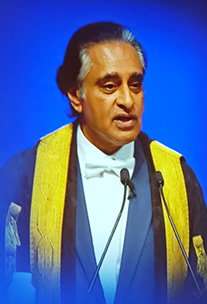
Sathnam Sanghera
Award-winning journalist and bestselling author Sathnam Sanghera has transformed public understanding of Britain’s colonial history, identity and belonging through books including Empireland and Empireworld.
A senior writer for The Times, Sanghera explores how history continues to shape modern Britain, prompting thoughtful debate across education, politics, business and wider society.
Why this matters: Understanding history helps build fairer futures. anghera demonstrates how journalism and historical research can encourage more informed conversations about identity, belonging and equality.
LEADERSHIP WITHOUT BORDERS
Global South Asian leaders inspiring change in the UK and beyond
The challenges facing workplaces and society – artificial intelligence, economic uncertainty, climate change, inclusion and the future of work – do not stop at national borders. Neither does leadership.
While many of the changemakers featured throughout this article are based in the UK, the global leaders highlighted here continue to influence organisations, governments and institutions around the world. Their ideas, research and leadership shape how many British employers approach technology, responsible business, inclusion, sustainability and economic opportunity.
Their work reminds us that some of the most important lessons in leadership are shared across borders, strengthening organisations and communities both in the UK and internationally.
Ajay Banga
As President of the World Bank Group and former President and Chief Executive of Mastercard, Ajay Banga has championed financial inclusion, sustainable development and public-private collaboration to expand economic opportunity around the world.
Throughout his international career, Banga has worked to strengthen access to finance, support climate resilience and encourage investment that reduces poverty while promoting sustainable economic growth. A recipient of India’s Padma Shri and a member of the Council on Foreign Relations, he continues to advocate for partnerships between governments, business and international institutions to address some of the world’s biggest social and economic challenges.
Why this matters: Inclusive economic growth creates stronger societies. Banga demonstrates how responsible leadership and international collaboration can expand opportunity while supporting sustainable development around the world.
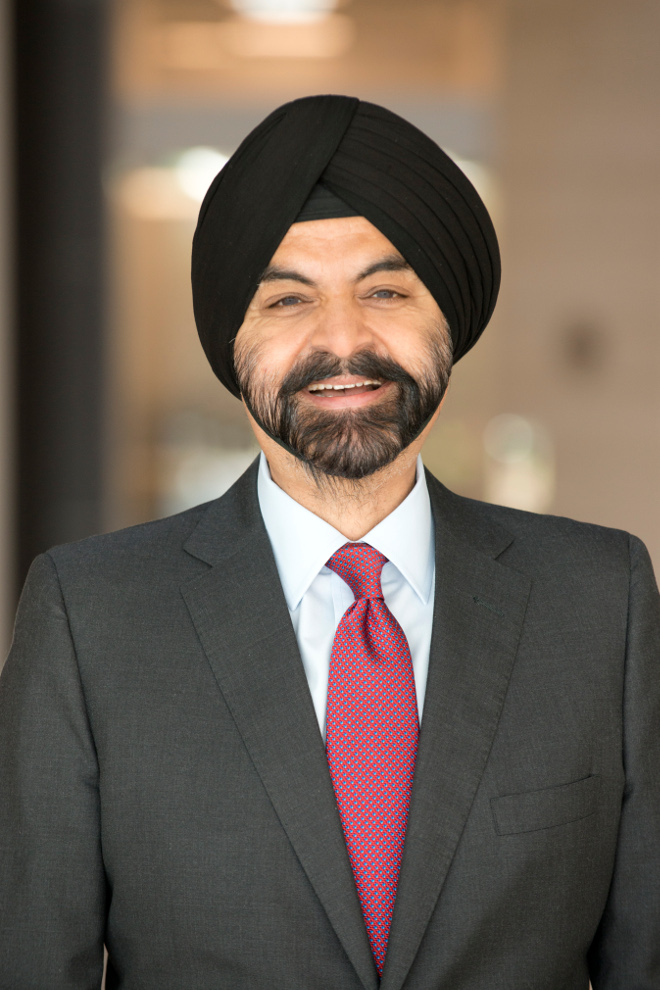
Arvind Krishna
As Chairman and Chief Executive of IBM, Arvind Krishna has helped shape the global conversation around responsible artificial intelligence, hybrid cloud technology and digital transformation.
Since becoming CEO, he has led IBM’s expansion into AI, quantum computing and open-source technology while championing the responsible development of emerging technologies. Under his leadership, IBM has continued investing in digital skills, ethical AI and workforce development to help prepare people for the future of work.
Why this matters: Technology delivers its greatest value when it is developed responsibly and benefits everyone. Krishna demonstrates how innovation, transparency and lifelong learning can help create a more inclusive digital future.
Dr Rohini Anand
Former Global Chief Diversity Officer at Sodexo and author of Leading Global Diversity, Equity and Inclusion: A Guide for Systemic Change in Multinational Organizations, Dr Rohini Anand is one of the world’s leading experts on embedding inclusion into organisational strategy.
Through her international advisory work, she supports Fortune 100 companies, academic institutions and non-profit organisations in building more inclusive cultures across global markets. She also serves on the boards of Catalyst and Women’s Link Worldwide, helping organisations translate inclusion into practical leadership and organisational change.
Why this matters: Inclusive leadership is a strategic capability. Dr Anand demonstrates how embedding inclusion into organisational culture strengthens performance, innovation and long-term resilience.
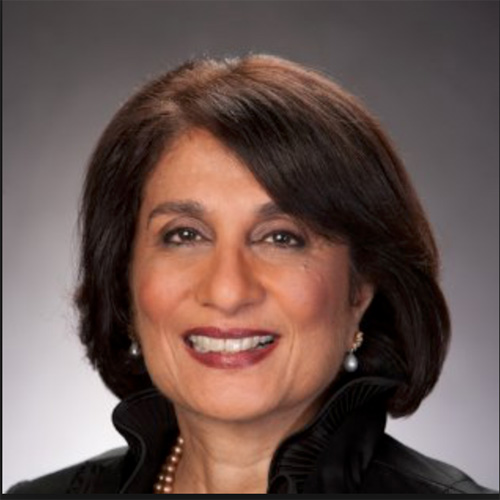
Gita Gopinath
As First Deputy Managing Director of the International Monetary Fund (IMF), Gita Gopinath is one of the world’s most influential economists, helping shape international economic policy and financial resilience.
Previously Chief Economist at the IMF and Professor of Economics at Harvard University, her research has influenced governments, central banks and international institutions on issues including international trade, inflation, financial crises and economic stability. A Fellow of both the Econometric Society and the American Academy of Arts and Sciences, she continues to play a leading role in global economic policymaking.
Why this matters: Inclusive economies rely on evidence-based leadership and long-term thinking. Gopinath demonstrates how research and sound economic policy help create more resilient and sustainable societies.
Indra Nooyi
Former Chairman and Chief Executive of PepsiCo, Indra Nooyi transformed one of the world’s largest food and beverage companies by embedding long-term purpose into corporate strategy.
Through her “Performance with Purpose” vision, she championed healthier products, more sustainable operations and responsible business practices while delivering sustained commercial growth. Today, she continues to advise organisations on leadership, corporate governance, sustainability and women’s leadership.
Why this matters: Long-term business success depends on balancing commercial performance with social responsibility. Nooyi demonstrates how purpose-led leadership can create lasting value for businesses, employees and society.
Leena Nair
Former Chief Human Resources Officer at Unilever and now Global Chief Executive of Chanel, Leena Nair is internationally recognised for championing human-centred leadership, sustainability and inclusive workplace cultures.
During her career at Unilever, she oversaw the company’s global people strategy for more than 150,000 employees, helping strengthen leadership development, wellbeing and gender balance. As CEO of Chanel, she continues to advocate for leadership that places people, creativity and purpose at the heart of business.
Why this matters: Great organisations are built by leaders who place people at the centre of business strategy. Nair demonstrates how inclusive leadership strengthens both organisational performance and workplace culture.
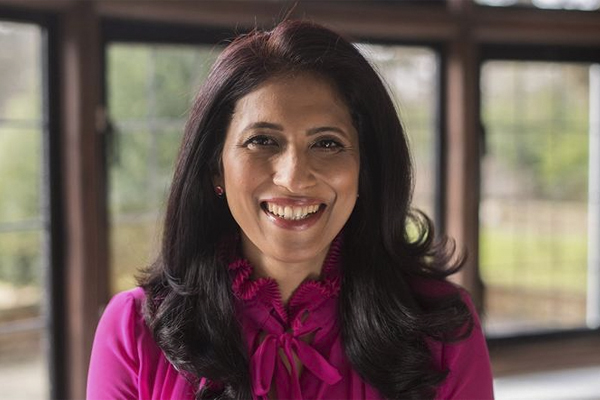
Reshma Saujani
Founder of Girls Who Code and Moms First, Reshma Saujani has inspired millions of girls and women to pursue careers in technology while campaigning for greater workplace equality.
Through Girls Who Code, she has helped hundreds of thousands of young women develop digital skills and explore careers in technology. More recently, through Moms First, she has advocated for paid family leave, affordable childcare and workplace policies that better support working parents. She is also the bestselling author of Brave, Not Perfect.
Why this matters: Expanding opportunity begins by investing in future generations. Saujani demonstrates how education, policy and advocacy can help create more inclusive workplaces and stronger talent pipelines.
Satya Nadella
As Chairman and Chief Executive of Microsoft, Satya Nadella has become one of the world’s most respected business leaders by transforming Microsoft’s culture through empathy, continuous learning and responsible innovation.
Under his leadership, Microsoft has become a global leader in cloud computing and artificial intelligence while placing accessibility, inclusion and responsible technology at the heart of product development. Nadella has consistently championed neurodiversity, disability inclusion and lifelong learning as essential drivers of innovation.
Why this matters: Empathy has become one of the defining leadership qualities of the modern workplace. Satya Nadella demonstrates how people-centred leadership can drive innovation while creating products and workplaces that serve a broader range of communities.
Shamina Singh
Founder and President of the Mastercard Center for Inclusive Growth and Executive Vice President for Sustainability at Mastercard, Shamina Singh is one of the world’s leading advocates for inclusive economic growth.
Working across business, government and the social sector, she has helped expand financial inclusion, support small businesses and strengthen workforce participation in more than 100 countries. A former adviser in the Clinton administration and member of the Council on Foreign Relations, Singh continues to champion partnerships that combine commercial innovation with measurable social impact.
Why this matters: Responsible business can create opportunity at scale. Singh demonstrates how partnerships between business, government and communities can expand economic opportunity while delivering meaningful social impact.
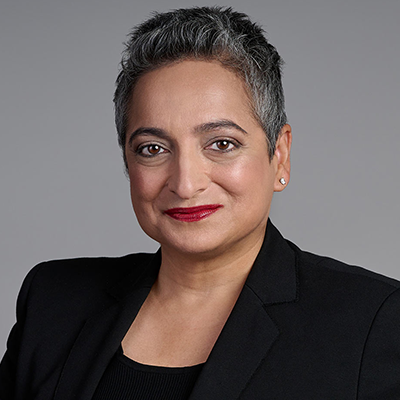
Shantanu Narayen
Chairman and Chief Executive of Adobe, Shantanu Narayen has led one of the world’s most influential technology companies while championing creativity, innovation and inclusive leadership.
Since becoming CEO, he has overseen Adobe’s successful transition to cloud-based services while investing in digital creativity, future skills and workforce development. A recipient of India’s Padma Shri and member of the US President’s Management Advisory Board, he continues to encourage innovation that supports both business growth and social progress.
Why this matters: Innovation flourishes when organisations encourage creativity and diverse thinking. Narayen demonstrates how inclusive leadership can help businesses adapt, innovate and succeed in a rapidly changing world.
Subha Barry
As President of Seramount, Subha Barry leads one of the world’s leading workplace research and advisory organisations, helping employers strengthen inclusion, gender equality and workplace culture through evidence-based practice.
Before joining Seramount, Barry held senior leadership roles in financial services, including Global Head of Diversity at Merrill Lynch. Today, she advises organisations around the world on leadership, talent, workplace equity and organisational culture while helping employers use research and benchmarking to drive meaningful change.
Why this matters: Research and accountability help organisations create lasting cultural change. Barry demonstrates how evidence-based leadership can strengthen inclusion while improving workplace outcomes for employees and employers alike.
Tarang Amin
Tarang Amin is Chairman and Chief Executive Officer of e.l.f. Beauty, where he has transformed the company into one of the world’s fastest-growing beauty businesses while championing a people-first, purpose-led culture. Since joining the company in 2014, he has led its successful public listing, expanded it into a multi-brand global business and built a reputation for combining innovation with accessibility, affordability and inclusive leadership.
Born in East Africa to Indian parents and raised in the United States, Amin began his career at Procter & Gamble before holding senior leadership roles at Clorox and Schiff Nutrition. At e.l.f. Beauty, he has championed diverse leadership and encouraged teams that reflect the consumers they serve, helping create one of the most diverse boards among US public companies while embedding purpose and inclusion into the company’s long-term growth strategy. One example is e.l.f. Beauty’s commitment to board diversity through its support for the Change the Board Game campaign, which aims to tackle boardroom inequity and increase representation across corporate leadership, as reported.
Why this matters: Long-term business success is built on more than financial performance. Amin demonstrates how purpose-led leadership, inclusive governance and innovation can strengthen organisational performance while creating products, workplaces and leadership teams that better reflect the communities they serve.
FIVE LESSONS FROM SOUTH ASIAN CHANGEMAKERS
Across every sector represented in this feature, several common themes emerge.
- Leadership is measured by the opportunities you create for others.
- Representation opens doors, but inclusion ensures people can thrive.
- Responsible businesses understand that people, purpose and performance go hand in hand.
- Communities, employers and policymakers all share responsibility for creating a fairer playing field.
- Progress happens through consistent action – not just awareness months.
Although their careers span different industries and experiences, these lessons connect every changemaker featured in this guide and illustrate what inclusive leadership looks like in practice.
LOOKING AHEAD
South Asian Heritage Month may have come to an end, but the work of creating fairer workplaces, stronger organisations and more inclusive communities continues every day. The changemakers featured here remind us that progress is rarely driven by a single individual or a single moment. It is built through leadership, collaboration, courage and a commitment to creating opportunities for others.
Across business, healthcare, education, public service, media, entrepreneurship and community life, they show that inclusive leadership and responsible business are not separate ambitions – they are fundamental to building stronger organisations and a fairer society. At Fair Play Talks, we’ll continue shining a light on the people, ideas and organisations helping shape the human side of responsible business – because the conversations that matter most should continue long after awareness months have ended.
This is the first edition of Fair Play Talks’ annual editorial celebrating South Asian changemakers whose work is helping shape responsible business, inclusive leadership and social impact.” This is an editorially curated feature and is not a ranking. The individuals featured were selected for the impact of their work across leadership, responsible business, equality, accessibility, workplace wellbeing, social mobility, education, community leadership and public service. While not exhaustive, this feature reflects the breadth and diversity of South Asian leadership influencing workplaces, communities and society in the UK and beyond.
Know a South Asian Changemaker Making a Difference? We’re already looking ahead to next year’s edition. If you know someone whose work is helping create fairer workplaces, stronger communities or more responsible organisations, we’d love to hear from you. Email: editorial@fairplaytalks.com
RELATED ARTICLES
Mayor Sadiq Khan has backed £30 million of investment to help Londoners and small businesses prepare for artificial intelligence, after a landmark report warned that around 600,000 workers are in roles highly exposed to AI and least equipped to adapt.
The shortlist for the 2026 Ethnicity Awards has been announced, recognising individuals, employers and organisations across the UK for their contribution to promoting ethnic diversity, inclusion and representation in business and society.
The challenges posed by the Bamboo Ceiling for Asian Americans and Pacific Islanders at work.
As organisations continue to prioritise genuinely inclusive cultures, attention turns to how employers can better support Muslim colleagues during Ramadan. Here are some insights from leaders and DEI professionals observing the holy month.
British Asian achievement awards finalists have been announced during South Asian Heritage Month in the UK.
EqualityX has honoured over 100 outstanding influential Muslim professionals across Europe, the UK and the Americas, who are shaping workplaces and society today.
To mark International Women’s Day 2026, 25 leaders from business, advocacy and global institutions share what still needs to change to achieve gender equality.
More than one in three of Asian and Asian American professionals say they have experienced racial prejudice at their current or former companies, reveals report.
As Social Mobility Day 2026 highlights the power of stories to shape futures, business leaders and social mobility advocates are calling for greater action to help young people overcome barriers to education, employment and progression.
A new campaign, ‘So many ‘Dicks, so few of everyone else‘, from e.l.f. Beauty, has revealed the extent of boardroom inequity in the US, and is urging other businesses to join the movement and ‘Change the Board Game’.