









As Black History Month UK 2026 draws to a close, Fair Play Talks celebrates 100 Black changemakers who are opening doors, challenging inequality and creating opportunities for others – helping shape fairer, more responsible workplaces, communities and society all year round.
Black History Month may be drawing to a close, but the work it shines a light on does not stop when October ends. This year’s theme, “Honouring Our Communities,” feels particularly fitting. It asks us to recognise the people whose everyday contributions help shape, support and sustain Black communities – including many whose work may not always make the headlines.
Across Britain, people are doing exactly that – changing workplaces, building communities, widening access to opportunity, challenging discrimination and creating pathways for others – often quietly, consistently and without the recognition they deserve. So, as this year’s Black History Month comes to an end, Fair Play Talks wanted to honour some of those contributions.
This is not a ranking, nor an exhaustive list of Black changemakers in Britain. It is a selection of 100 people whose work is helping to level the playing field and shape more responsible business and society. Some are nationally recognised leaders. Others are building communities, mentoring future talent, changing workplace systems, improving access to education and healthcare, fighting for rights, creating platforms for underrepresented voices or simply holding doors open that were much harder for them to walk through.
What connects them is not simply what they have achieved for themselves. It is what they are doing with that success, experience, expertise or influence to create opportunities for others.
Editor’s note: This is an editorially curated feature recognising individuals whose work is helping shape fairer workplaces, responsible business and society. It is not a ranking and is not intended to be exhaustive. The people featured were selected for their contribution to leadership, inclusion, innovation, public service and social impact. Profiles are grouped by primary area of impact and, where practical, listed alphabetically by first name. Their order does not reflect ranking or relative importance.
CELEBRATING 100 BLACK CHANGEMAKERS
WORKPLACE, BUSINESS & ORGANISATIONAL CHANGE
Audrey Rufus
As EMEA Office of Black Affairs Director at JPMorganChase, Audrey Rufus works across race equity, talent, progression and business engagement. Her role focuses on strengthening the experience and advancement of Black colleagues and helping ensure representation translates into access to development, sponsorship and leadership rather than stopping at recruitment. Her wider contribution reflects the growing recognition that employers need to examine not simply who joins an organisation, but who gets access to influential networks and who ultimately reaches positions where decisions are made.
Why this matters: Audrey’s work focuses on what happens after Black talent enters an organisation – whether people gain the networks, visibility and sponsorship that allow them to progress into positions of influence.
Belton Flournoy
Belton Flournoy is a Managing Director in Protiviti’s Technology & Digital Consulting practice and an advisory board member of the London School of Economics’ Inclusion Initiative. Alongside his technology career, he has founded and led LGBTQ+ networks and contributed extensively to conversations about intersectional inclusion in business. His work brings together professional leadership, evidence and lived experience to challenge organisations to think about how race, sexuality and other identities overlap rather than addressing each in isolation.
Why this matters: Belton has helped demonstrate that people should not need to separate parts of themselves to succeed professionally – and that senior leaders can actively create the networks and cultures that make belonging possible.
Bonita Samuels
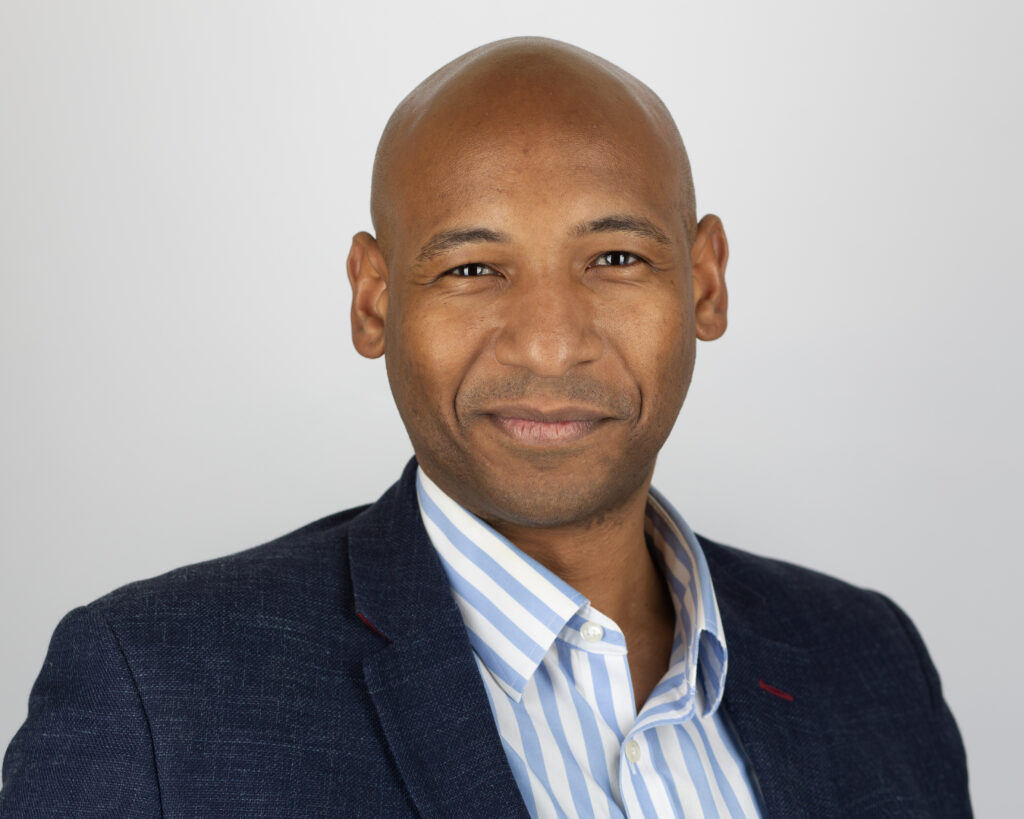
Media and inclusion leader Bonita Samuels works at WPP Media, building on a career spanning inclusive media planning, partnerships and workplace culture. She has also played an active role in employee networks and in challenging the advertising industry to consider whose audiences, voices and businesses receive investment. Her work broadens the inclusion conversation beyond workforce representation to examine the economic influence brands wield through their advertising budgets.
Why this matters: Bonita’s work connects inclusion with money and influence. She asks organisations to look beyond who appears in an advert and consider whose businesses and communities actually benefit from advertising spend.
Busola Akinsete
Technology leader Busola Akinsete has combined her career at Adobe with mentoring, employee-network leadership and programmes supporting younger and early-career talent. Her work has included helping Black professionals gain greater visibility as industry experts and creating opportunities for underrepresented people to access professional networks, development and work experience. That combination of internal employee leadership and external talent development helps widen opportunity at several stages of the career pipeline.
Why this matters: Busola is helping make the informal advantages of mentoring, professional visibility and networks available to people who may not inherit them through family or background.
Cecil Peters
Cecil Peters spent around a decade at JPMorganChase, where his leadership roles included diversity and inclusion work across EMEA and involvement in Advancing Black Pathways, before subsequently moving back into the wider business and later leaving the firm. His work has focused on Black talent, career progression and economic opportunity within one of the world’s largest financial institutions, alongside wider engagement with community and professional initiatives. His inclusion here reflects that sustained contribution rather than any single current corporate title.
Why this matters: Cecil’s contribution is about changing what happens to Black talent inside major institutions – from initial access to development, sponsorship and progression into positions where decisions are made.
Christina Brooks
Christina Brooks is Founder and CEO of Ruebik, an executive-search and talent consultancy created to challenge traditional approaches to leadership recruitment. Drawing on more than two decades in talent and search, she works with employers to widen leadership pipelines, question narrow assumptions about “fit” and ensure senior appointments do not continually come from the same established networks. Her work also combines executive recruitment with mentoring and social impact, recognising that fairer leadership starts well before the final interview.
Why this matters: Christina is addressing inequality at one of its most consequential points: who even gets considered for leadership. Broadening that pool can change organisations from the top down.

David Adair OBE
Responsible-business and community-engagement leader David Adair OBE has spent much of his career connecting large employers with social mobility, employability, community organisations and social enterprise. Through senior work in responsible business, he has helped demonstrate how organisations can deploy not only charitable donations but their people, procurement, networks and expertise to create broader social value. His contribution has consistently pushed business leaders to think about the impact organisations can have beyond their immediate employees and shareholders.
Why this matters: David’s contribution demonstrates that responsible business is not confined to internal diversity targets – organisations can use their economic power, expertise and networks to expand opportunity across whole communities.
Denise Myers
Denise Myers is Founder and CEO of Evenfields Careers and Founder of the Black Talent Awards. With more than two decades of recruitment experience, she has built platforms that connect Black talent with employers while also increasing the visibility of professionals whose achievements may otherwise go unrecognised. Her work challenges organisations to think beyond recruitment numbers and consider whether Black employees are actually being developed, recognised and positioned to progress throughout their careers.
Why this matters: Denise has deliberately shifted attention from simply getting Black talent through the door to whether that talent is recognised, retained, rewarded and given the opportunity to progress.
Dianne Greyson
Founder of the #EthnicityPayGap Campaign, Dianne Greyson has spent years campaigning for greater transparency around racial inequalities in pay and progression. Her work has included research, employer engagement and the Ethnicity Pay Gap Summit, helping move an issue that was once largely absent from corporate reporting towards the mainstream workplace-equality agenda. She has also drawn particular attention to the experience of Black women and the way ethnicity and gender can combine to deepen inequalities in earnings and advancement.
Why this matters: Dianne has taken an inequality that can remain hidden and made it measurable. Her work gives employers fewer places to hide when the numbers show that employees from different ethnic backgrounds are not being valued equally.
Edward Odofin
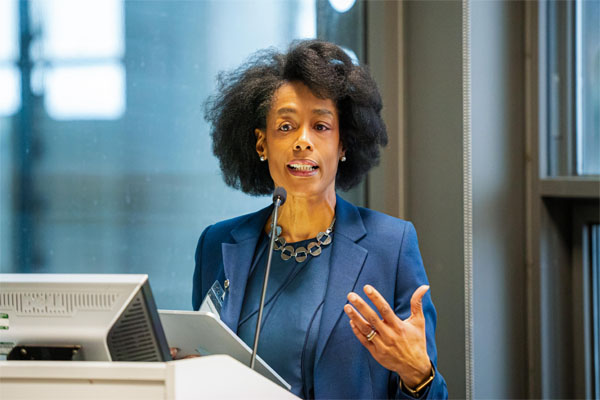
BBC leader Edward Odofin is Founder of EMERGE: The ERG Community and has held senior leadership roles within BBC Embrace. He created EMERGE to connect employee-resource-group leaders across different organisations, enabling them to share ideas, build relationships and learn from one another rather than repeatedly addressing similar challenges in isolation. The community has grown across scores of employers, demonstrating the potential of ERGs to move beyond internal events and become part of a broader infrastructure for workplace change.
Why this matters: Edward has helped turn employee networks from isolated workplace communities into a wider ecosystem capable of sharing knowledge and influencing organisations at scale.
Elliott Rae MBE
Elliott Rae MBE is Founder of Parenting Out Loud, a workplace culture-change movement focused on supporting working fathers, enabling equal parenting and challenging traditional assumptions about who cares for children. Through Parenting Out Loud, he works with employers on paternity leave, flexible working, dads’ networks, leadership behaviour and workplace culture, while also leading national initiatives including the Working Dads’ Summit and Equal Parenting Week. His earlier work includes founding MusicFootballFatherhood, presenting a BBC documentary on fatherhood and campaigning extensively on men’s mental health and gender equality.
Why this matters: Elliott is helping change the workplace assumption that caring is primarily women’s responsibility. By making it more normal for fathers to take leave, work flexibly and speak openly about care, his work can reduce the motherhood penalty and create fairer career opportunities for all parents.
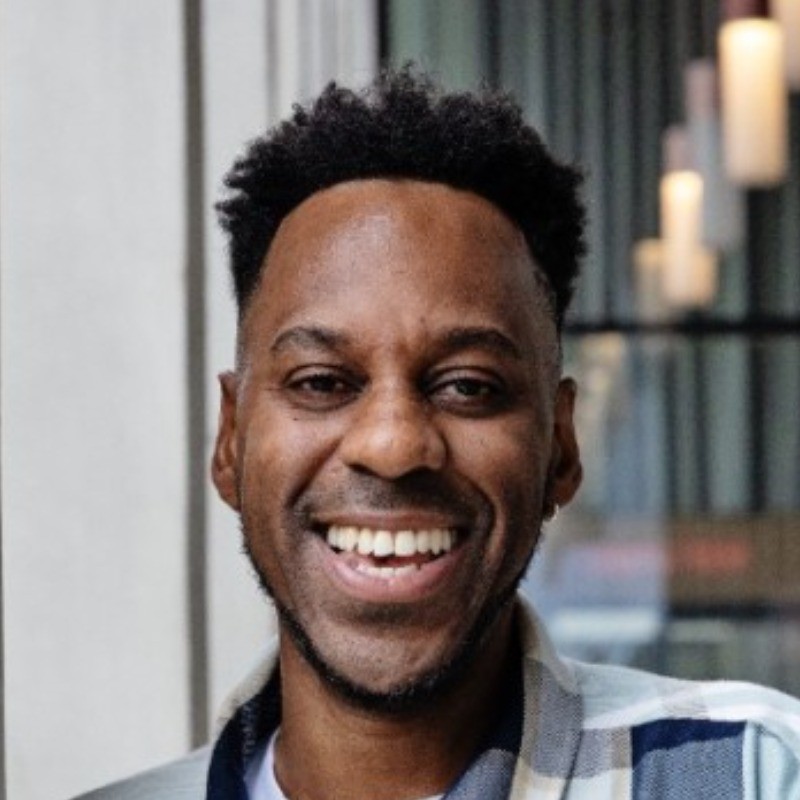
Dr Frank Douglas
Former global Chief People Officer Dr Frank Douglas is Founder and CEO of Caerus Executive, where he advises organisations on leadership, culture, inclusion and organisational transformation. Born in Mississippi, raised in New York and now based in the UK, he has held senior HR roles across major multinational businesses and uses that experience to challenge employers on the structural reasons Black professionals remain underrepresented at senior levels. His work consistently moves the discussion away from fixing individuals and towards changing the environment around them.
Why this matters: Frank’s work shifts responsibility away from asking Black employees to adapt and towards the organisational systems and leadership decisions that determine who gets ahead.
Geoffrey O. Williams
Inclusion and culture strategist Geoffrey O. Williams has held senior inclusion roles across major organisations while also co-founding Rocking Ur Teens, a social enterprise supporting young people to build confidence and aspirations. His work extends into arts, community and culture, creating connections between workplace inclusion and the wider question of who gains access to opportunity before they ever enter a corporate environment. By combining corporate influence with youth development, he bridges two important stages of the talent pipeline.
Why this matters: Geoffrey connects workplace inclusion with the pipeline itself – helping young people build the confidence, knowledge and networks needed to enter professional and creative spaces in the first place.

Hannah Awonuga
Hannah Awonuga is Founder and CEO of Illume Executive Consulting, following more than two decades inside global organisations and senior roles spanning banking, professional services and inclusion. Illume focuses on cultural governance, helping boards and leadership teams treat workplace culture with the same discipline they apply to strategy and risk. Her work includes the Inclusive Foundations Programme and focuses on making inclusion measurable, governed and owned at senior level rather than dependent on individual enthusiasm.
Why this matters: Hannah is moving inclusion away from awareness campaigns and into governance – where decisions about culture, leadership behaviour and accountability carry real organisational consequences.
Jenny Garrett OBE
Leadership coach, author and entrepreneur Jenny Garrett OBE has spent two decades supporting women and professionals from underrepresented backgrounds through coaching, sponsorship and leadership development. As Founder of Jenny Garrett Global, she works not only with individuals but with managers, executives and senior sponsors, recognising that career inequality cannot be solved simply by developing people while leaving the systems around them unchanged. Her programmes focus on progression, sponsorship and inclusive leadership, with more than 30% of participants progressing during programmes. She is also the author of Rocking Your Role and Equality vs Equity: Tackling Issues of Race in the Workplace, and in October 2026 co-authored AI for Equity: Creating a More Equitable Society for All with her daughter Leah-Sunshine Garrett, exploring how AI can be used to reduce rather than deepen inequality.
Why this matters: Jenny’s work is rooted in helping people move forward, not simply telling them to become more confident. By combining coaching, sponsorship, organisational change and thought leadership, she tackles both the individual and structural barriers that can hold underrepresented talent back — while now also asking how new technologies such as AI can be designed to widen opportunity rather than reinforce existing inequalities.
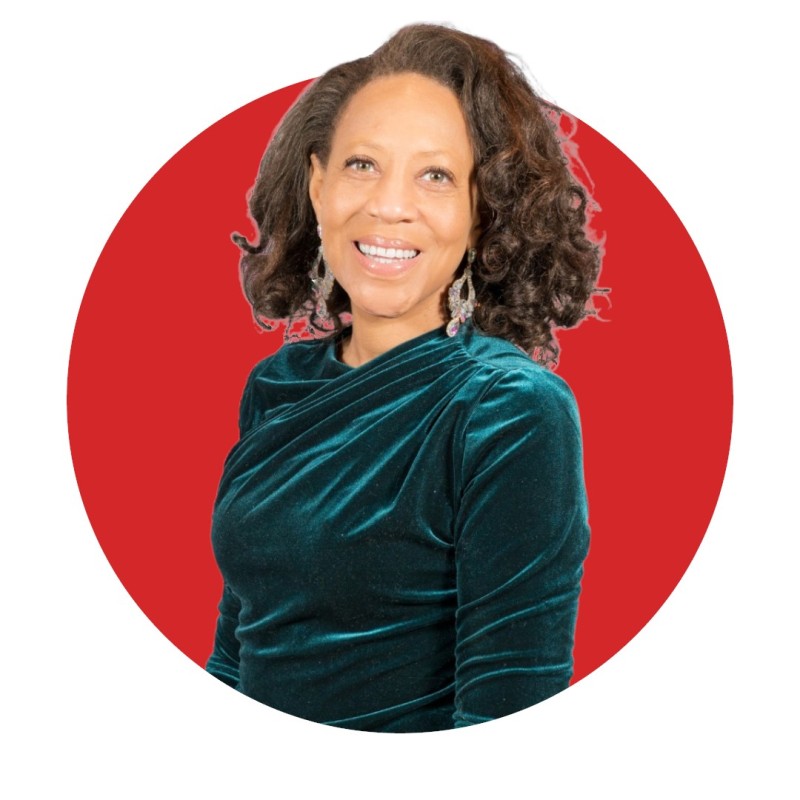
Professor John Amaechi OBE
Professor John Amaechi OBE is an organisational psychologist, Founder of APS Intelligence and Professor of Leadership at the University of Exeter Business School. The former NBA player now works with leaders and boards on behaviour, psychological safety, inclusion, decision-making and organisational culture. Known for challenging comfortable assumptions about leadership, he asks employers to examine whether the everyday behaviour of people with power actually reflects the values their organisation claims to hold.
Why this matters: John puts responsibility squarely on leadership behaviour. His work asks whether people with power behave in ways that make an organisation’s stated values real for everyone else.
Karen Blackett CBE
Business and advertising leader Karen Blackett CBE has broken multiple barriers across a career spanning some of Britain’s most influential communications organisations. Alongside senior executive leadership, she has served as the UK Government’s Race Equality Business Champion and was a founding trustee of the Black Equity Organisation. Her public work has consistently connected representation with economic participation, leadership opportunity and the need for companies to broaden the talent they develop and promote.
Why this matters: Karen has used the influence that came with breaking barriers herself to challenge the barriers facing others – turning personal achievement into wider business and social impact.
Lee Chambers
Business psychologist, author and entrepreneur Lee Chambers is Founder and CEO of Male Allies UK and Founder of Essentialise Workplace Wellbeing. His work spans male allyship, gender equity, inclusive leadership, mental health, menopause awareness and workplace wellbeing, and he has worked with organisations including Amazon, UBS and John Lewis to help men move from passive support to practical allyship. In 2024, he received the Freedom of the City of London for services to equality in business, and he is also the author of Momentum: 13 Ways to Unlock Your Potential.
Why this matters: Lee’s work brings men into equality conversations in a way that is practical rather than performative. By combining behavioural science, allyship, wellbeing and lived experience, he helps organisations tackle gender bias while also recognising the pressures men face around masculinity, mental health and caregiving. His wider work shows that inclusion is strongest when it improves outcomes for everyone rather than being framed as a zero-sum issue.
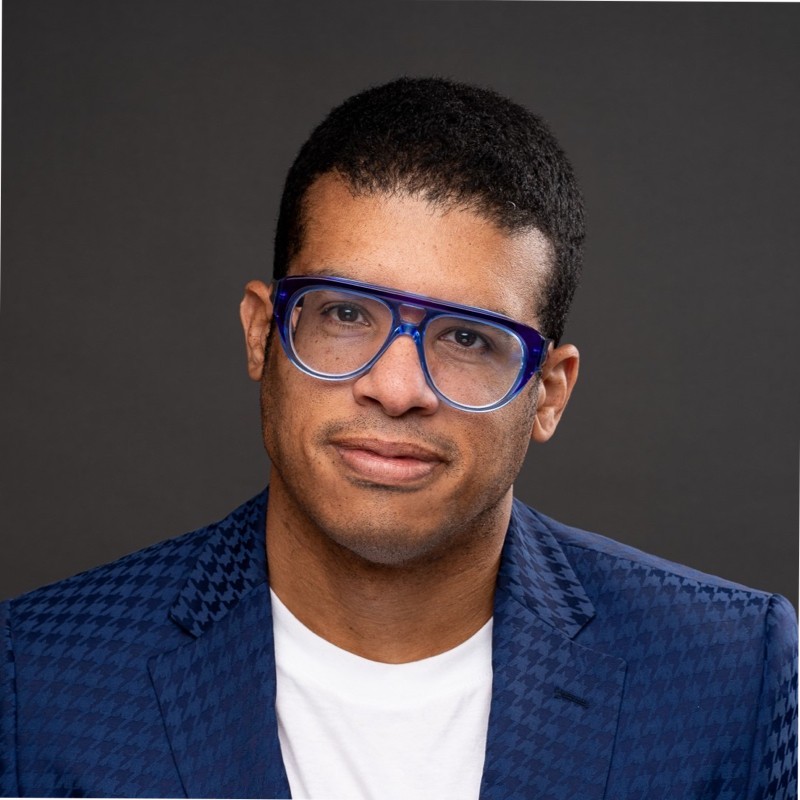
Melanie Eusebe MBE
Entrepreneur, author and co-founder of the Black British Business Awards, Melanie Eusebe MBE has spent more than a decade increasing the visibility of Black professional and entrepreneurial achievement. The awards have become a major national platform highlighting senior leaders, rising talent and Black-owned businesses while challenging the recurring claim that organisations cannot identify a strong pipeline of Black talent. Her wider work across business and leadership has similarly focused on economic participation and representation.
Why this matters: Melanie has helped make Black professional achievement harder to dismiss as exceptional or rare – creating visible evidence of leadership talent across British business.
Nana Agyemang
Financial-services professional Nana Agyemang has combined his corporate career with sustained work supporting Black professionals, entrepreneurs and allies. Through employee-network leadership and community initiatives, he has focused on resilience, professional connections, entrepreneurship and creating stronger links between Black talent and established institutions. Fair Play Talks recently profiled his work building a stronger community of Black professionals, entrepreneurs and allies.
Why this matters: Nana is helping open professional networks that can otherwise remain invisible to outsiders, giving more people access to relationships and opportunities that often determine who progresses.
Natalie Ojevah MBE
Inclusion leader and entrepreneur Natalie Ojevah MBE has combined her experience in financial services with extensive work supporting Black founders, professionals and people from underrepresented backgrounds. Her initiatives have included founder programmes, mentoring and practical support designed to connect people with professional networks and commercial opportunity. She has consistently focused on ensuring that inclusion results in something tangible – whether a stronger business, greater confidence or access to people able to open doors.
Why this matters: Natalie has turned professional access into practical opportunities for people who may not naturally have connections into influential corporate or entrepreneurial networks.
Opeyemi Sofoluke
Inclusion leader and co-author of Twice As Hard, Opeyemi Sofoluke has helped bring greater attention to the additional hurdles Black professionals can face throughout their careers. Her work combines corporate inclusion expertise with the lived experiences captured in her writing, examining progression, belonging, workplace culture and the pressure Black professionals can face to navigate systems not designed with them in mind.
Why this matters: Opeyemi gives language to barriers that can otherwise be dismissed as isolated personal experiences, helping organisations recognise recurring patterns in Black employees’ careers.
Paul Sesay
Founder and CEO of Inclusive Companies, Paul Sesay has been working to advance diversity, equality and inclusion for close to two decades. Since 2006, he has built a series of national platforms connecting workplace inclusion with community impact, including the National Diversity Awards, launched in 2012, the Inclusive Awards and the Inclusive Top 50 UK Employers. Together, these initiatives have given national visibility to thousands of individuals, charities, employee networks and organisations whose work might otherwise remain largely unseen, while also encouraging employers to benchmark progress, share better practice and take inclusion more seriously as a leadership and business issue. His work has created an important bridge between grassroots changemakers and major organisations, ensuring inclusion is recognised not only in boardrooms but in communities across the UK.
Why this matters: Paul has done far more than create awards. He has built an infrastructure that celebrates people doing the work, gives grassroots changemakers a national platform and pushes employers to raise their own standards. By connecting community impact with workplace accountability, he has helped make inclusion more visible, more credible and harder for organisations to treat as a box-ticking exercise.
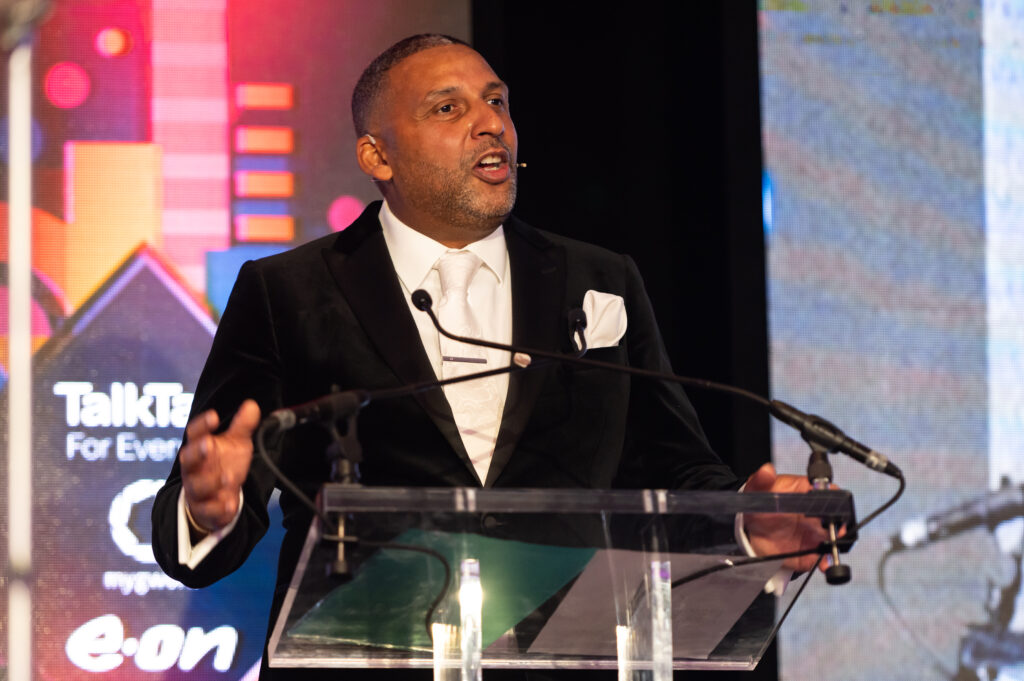
Philip Hocking
Philip Hocking is a Regional Lead for BOLD – the Black Organisation for Leadership & Development – at Lloyds Banking Group, where he has helped build communities and opportunities for Black colleagues across the organisation. Alongside his day job at Lloyds, his work with BOLD has focused on creating connections, developing future leaders and helping colleagues gain greater confidence, visibility and access to opportunities. He has also been recognised across several 2026 inclusion awards and is moving into work focused on next-generation talent. In his Fair Play Talks guest column, he argued that the real measure of an employee network is not how many events it runs, but what becomes possible for people because that community exists.
Why this matters: Philip’s work shows what employee networks can achieve when they go beyond celebration and awareness. By helping people make connections, discover opportunities and step into leadership, he is turning belonging into something practical – and helping Black colleagues access opportunities they may otherwise have struggled to find.
Dr Rashada Harry
Technology leader Dr Rashada Harry co-founded Your Future, Your Ambition to help young people from underrepresented backgrounds access STEM and technology careers. The initiative connects employers, students and role models and has reached thousands of young people, particularly those who might otherwise have limited exposure to professional technology careers. Her work tackles inequality before recruitment begins by helping children see a wider range of possible futures.
Why this matters: Rashada is intervening early enough to change who enters technology in the first place – helping young people see careers they may never otherwise have imagined were open to them.
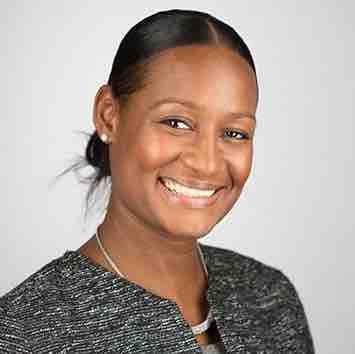
Ruth Alade Conteh
Financial-services leader Ruth Alade Conteh has built a career spanning organisational transformation, inclusion and employee opportunity across major banking organisations. Her work has helped bring questions of belonging, equitable access and employee experience closer to mainstream talent and business decisions rather than leaving them isolated within stand-alone diversity programmes. That reflects a broader shift towards embedding inclusion into how organisations actually operate.
Why this matters: Ruth’s work reflects an important shift: fairness becomes harder to deprioritise when it is built into the systems through which organisations manage talent rather than confined to a separate DEI programme.
Sandra Kerr CBE
As Race Equality Director at Business in the Community, Sandra Kerr CBE has spent more than two decades influencing employers and policymakers on racial inequality in the labour market. Her work has encompassed recruitment, progression, leadership, pay and the structural barriers facing people from ethnic-minority backgrounds, backed by major research including Race at Work. Few practitioners have sustained such a long-term focus on turning race equality from aspiration into employer action.
Why this matters: Sandra has helped turn race equality from a general ambition into specific employer responsibilities – backed by data, research and practical action.
Savannah Adams
Savannah Adams works across Black professional networks in the City and financial-services sector, helping bring employee-resource-group leaders together across major organisations. Her contribution has included creating opportunities for collaboration, shared programming and professional connections that extend beyond any one employer. This cross-company approach gives Black employees access to a much wider ecosystem of peers and opportunities.
Why this matters: Savannah’s work gives Black professionals access to networks much larger than their own organisation – expanding the people, knowledge and opportunities they can reach.
Dr Shereen Daniels
Managing Director of HR rewired and bestselling author of The Anti-Racist Organization, Dr Shereen Daniels works with leaders and institutions to examine how systemic racism can be reproduced through organisational structures, governance, culture and decision-making. Her work deliberately moves beyond individual prejudice and asks organisations to analyse the patterns, processes and leadership choices that repeatedly create unequal outcomes. She has become an influential voice on embedding anti-racism into the way organisations operate.
Why this matters: Shereen asks organisations to stop treating racism solely as a matter of individual prejudice and examine the systems repeatedly producing unequal outcomes. That shifts anti-racism from awareness to accountability.
Dr Sophie Chandauka MBE
Dr Sophie Chandauka MBE is Chair and Executive Founder of the Black British Business Awards, which she co-founded in 2014 to challenge the persistent claim that Britain lacked a strong pipeline of Black professional and entrepreneurial talent. Over more than a decade, the BBBAwards have grown from a recognition platform into a wider campaign for equitable Black representation at decision-making levels in British business, working with major employers to spotlight talent, challenge barriers to progression and support more inclusive leadership. Through sister organisation The Network of Networks, that work also extends into talent development, leadership programmes and forums designed to change the systems, behaviours and policies that can hold Black professionals back. Alongside this, Chandauka is Co-Founder and Executive Chair of Nandi Life Sciences, a biotech venture-building platform, and Global Board Chair of Sentebale, bringing together a career spanning law, finance, technology, governance and social impact.
Why this matters: Sophie has done more than shine a light on Black excellence. She has spent more than a decade building evidence, visibility and infrastructure around Black leadership in Britain, making it much harder for employers to argue that the talent is not there. Her work shifts the challenge back onto organisations: if talented Black professionals exist in clear numbers, what are employers doing to recognise, develop and move them into positions of power?

Tolu Osinubi
Tolu Osinubi is a Director at Deloitte UK and a prominent LGBTQ+ employee-network leader. Alongside her technology career, she has advocated for greater understanding of intersectionality, particularly the experiences of Black LGBTQ+ professionals inside large organisations. Her work helps challenge workplace approaches that treat race, sexuality and gender as separate issues rather than recognising the whole person.
Why this matters: Tolu’s leadership helps create workplaces where people do not have to edit or compartmentalise parts of themselves simply to fit a narrow definition of professionalism.
ENTREPRENEURSHIP, INNOVATION & ECONOMIC OPPORTUNITY
Dean Forbes
Technology executive and entrepreneur Dean Forbes has combined substantial business success with a strong commitment to social mobility through the Forbes Family Group. Drawing partly on his own experience of economic hardship and changing life circumstances, the group supports initiatives around community, networks and opportunity. Forbes has been particularly vocal about the responsibility of successful leaders to use their influence to help people who begin without the same financial or professional advantages.
Why this matters: Dean has converted personal success into access for others, using the networks and resources he acquired in business to help people who may begin without those advantages.
Ian Benjamin
Founder and Managing Director of the Black Data Professionals Network, Ian Benjamin has created a community connecting Black professionals with employers, mentors and development opportunities across data and technology. As these fields increasingly shape everything from business decisions to artificial intelligence, the network addresses the persistent underrepresentation of Black talent in some of the economy’s most influential and fastest-growing areas.
Why this matters: Ian is helping ensure Black professionals are not absent from the industries increasingly shaping society through data, algorithms and artificial intelligence.
Jesse Owusu
Co-Founder and CEO of CORD, Jesse Owusu is working to widen access, ownership and economic opportunity within the creative industries. His work focuses on the networks and commercial structures that determine whether Black and underrepresented creatives can turn talent and visibility into sustainable careers, leadership and ownership. Fair Play Talks recently profiled his approach to creating greater opportunity, ownership and access in the creative industries.
Why this matters: Jesse is challenging a system in which diverse talent can be highly visible yet still excluded from ownership, influential networks and the economic value generated by its work.
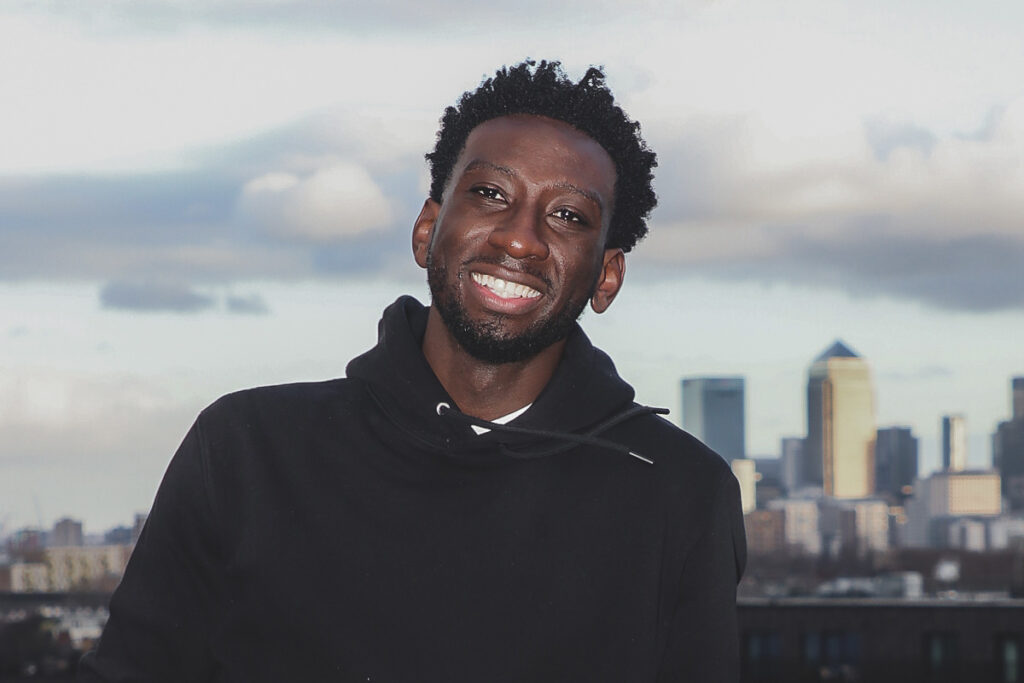
Kike Oniwinde Agoro
Kike Oniwinde Agoro is Founder and CEO of BYP Network, which she created after recognising the lack of visible Black professionals across many sectors. The platform connects Black talent with employers, jobs, mentoring, events and development opportunities, creating a professional network at a scale that individuals would struggle to build alone. Her work has helped transform networking from an informal advantage into something more deliberately accessible.
Why this matters: Kike has helped make one of the least visible career advantages – access to professional networks – available to thousands of Black professionals.
Ladi Ogunmekan
Founder of Black in Sport, Ladi Ogunmekan has built a platform designed to improve Black representation and progression across the sports industry. Its focus extends beyond athletes to the commercial, media, leadership and business roles where Black representation remains much thinner. By connecting young people and professionals with organisations and industry opportunities, his work aims to change who ultimately holds influence throughout sport.
Why this matters: Ladi is challenging the contradiction of industries that depend heavily on Black sporting talent while remaining much less representative in commercial, media and leadership roles.
Lydia Amoah
Cultural economist Lydia Amoah is Founder and CEO of BACKLIGHT and creator of The Black Pound Report, research exploring the experiences and economic power of Black, Asian and multi-ethnic consumers. Her work has helped brands and businesses understand how communities can be commercially significant yet remain poorly served or stereotyped by mainstream marketing. Through research and consultancy, she connects inclusion directly with product design, marketing and economic value.
Why this matters: Lydia has given businesses evidence they can no longer easily ignore, demonstrating that communities too often treated as peripheral represent significant economic power and deserve to be understood properly.
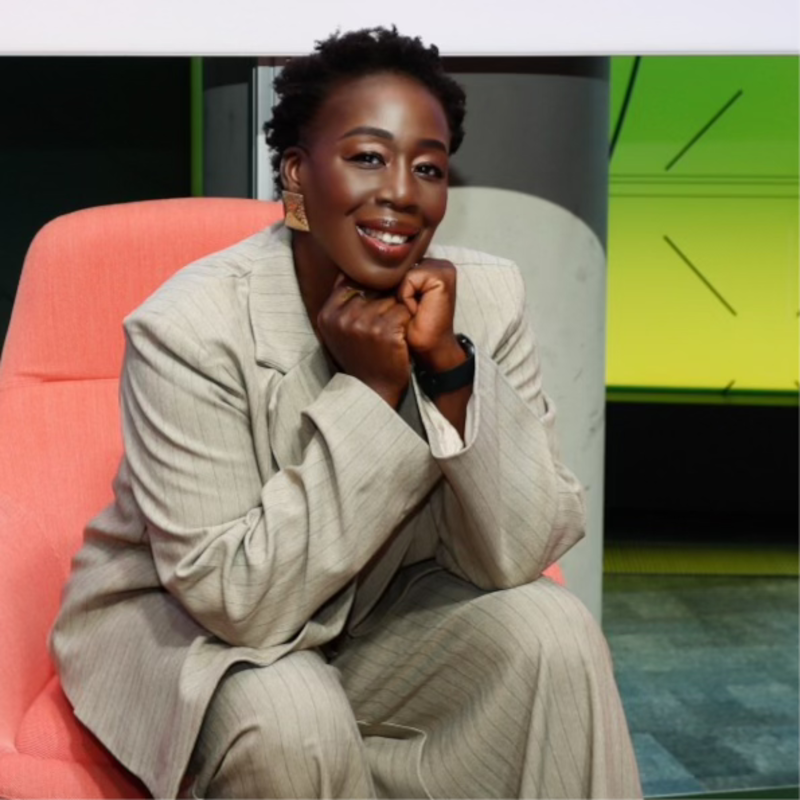
Dr Raphael Sofoluke
Entrepreneur Dr Raphael Sofoluke is Founder and CEO of the UK Black Business Show and UK Black Business Week. He has built a large ecosystem connecting Black entrepreneurs and professionals with employers, investors, experts and commercial partners. What began as an event has developed into an important platform for networking, learning, business opportunity and visibility across Britain’s Black professional and entrepreneurial communities.
Why this matters: Raphael has built the kind of professional marketplace that has historically operated informally for more privileged groups – bringing knowledge, networks and commercial opportunity together in one place.
Dr Roni Savage FREng
Engineer and entrepreneur Dr Roni Savage FREng is Founder and CEO of Jomas Associates, an engineering and environmental consultancy serving the construction and infrastructure sectors. As a Black woman who has founded and grown a business in fields where both women and Black professionals remain underrepresented, she has become an important role model for greater participation in engineering, infrastructure and entrepreneurship.
Why this matters: Roni’s career challenges two persistent representation gaps at once – race and gender – while showing young Black women that engineering and infrastructure can be sectors where they not only work, but lead and build businesses.
Valerie Kontor
Founder of Black in FinTech, Valerie Kontor has created a professional network focused on increasing Black representation, visibility and influence across financial technology. The organisation connects professionals, operators and founders while helping ensure conversations about innovation include talent and communities that have often been underrepresented in traditional financial services. Her work comes at an important moment while the leadership structures of fintech are still being formed.
Why this matters: Valerie is intervening while fintech is still developing, creating the possibility of building more representative leadership before familiar inequalities become embedded for another generation.
Dr Yvonne Thompson CBE DL
Entrepreneur and business leader Dr Yvonne Thompson CBE DL has spent decades championing Black women, entrepreneurship, board diversity and leadership. Through WinTrade Global and numerous business and public roles, she has created opportunities for women to access professional networks, mentors, recognition and commercial relationships that can be difficult to penetrate without established connections. Her work has been particularly significant in making Black women’s business leadership more visible. She was honoured with the Lifetime Achiever Award at the Inclusive Awards in 2023.
Why this matters: Yvonne has spent years creating access to the relationships, visibility and business knowledge that often determine whether entrepreneurs move from simply having an idea to building something sustainable.
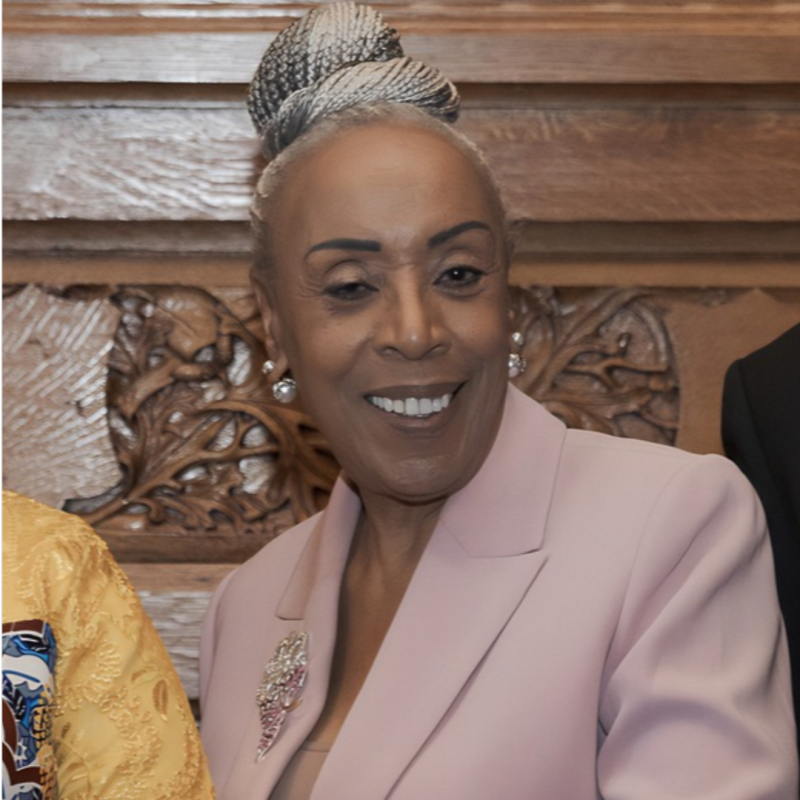
EDUCATION, YOUTH & SOCIAL MOBILITY
Alicia Richardson
Founder of Black Create Connect, Alicia Richardson has built a platform connecting Black professionals with employers, jobs, development opportunities and each other. Her work focuses on practical career progression and on reducing the importance of informal networks that can leave talented people excluded from opportunities they never hear about. Through events and professional community-building, she helps create connections that might otherwise depend on background or personal contacts.
Why this matters: Alicia is tackling the hidden advantage of “who you know”, helping professionals access information and relationships that might otherwise circulate only through established networks.
Elijah Olanipekun
Through initiatives including the Black Apprentice Network and Black Undergrad, Elijah Olanipekun has helped create communities for young Black people navigating university, apprenticeships and early careers. His work focuses on the information, peer support and professional knowledge young people need when entering systems they may not have encountered within their families or communities. By creating dedicated networks, he helps make those transitions less dependent on chance.
Why this matters: Elijah helps young people decode systems that others may learn through family connections – from navigating apprenticeships to understanding the unwritten rules of early professional life.
Karen Emelu
Founder of Black Girls in Tech, Karen Emelu has built a large community focused on helping Black women enter, navigate and progress within technology. Through events, professional development, industry partnerships and opportunities around emerging technology, her work seeks to ensure Black women are part of the workforce and leadership shaping the digital economy rather than arriving only after its power structures have already been established.
Why this matters: Karen’s work is helping ensure Black women have a stake in the digital economy while it is still being shaped, rather than being invited in only after leadership patterns have hardened.
Lavinya Stennett
Founder and CEO of The Black Curriculum, Lavinya Stennett created the organisation to address the marginalisation of Black British history within mainstream education. Through educational resources, teacher training, school programmes and campaigning, the organisation has worked to broaden what children learn about Britain and whose contributions are recognised as part of its national story. Her work challenges the idea that Black history belongs only within a single awareness month.
Why this matters: Lavinya is changing what children understand about who helped build Britain, making Black history part of the national story rather than an occasional October addition.
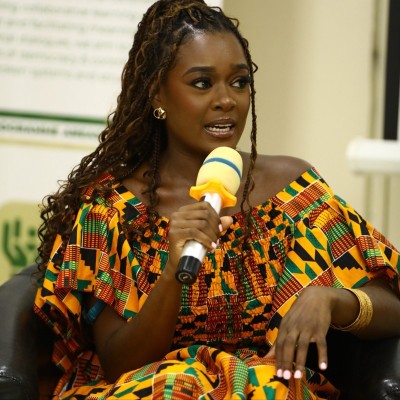
Lord Dr Michael Hastings CBE
Business and public-service leader Lord Dr Michael Hastings CBE has spent decades working across education, philanthropy, responsible business and social mobility. Through senior corporate and public roles, he has consistently encouraged leaders and institutions to recognise that influence carries obligations beyond commercial performance. Much of his work has focused on widening opportunity, supporting education and challenging organisations to invest in social outcomes alongside financial ones.
Why this matters: Michael has consistently challenged people with significant influence to recognise that leadership carries responsibility for those who do not begin with the same access.
Professor Paul Morrison
Professor Paul Morrison is UK & Ireland Education, Non-Profit and Charities Lead at Zoom, where he works with schools, colleges, charities and public-sector organisations on technology, access and digital transformation. His career in education technology spans more than 25 years and has included senior roles at Microsoft and Hewlett Packard Enterprise, where he also led Black employee networks across the UK and EMEA. Beyond his corporate career, Morrison is a Professor and Chair of the Professional Advisory Board at the University of the West of Scotland, an Ambassador for The Open University and a Global Ambassador for Elevate Africa. He is also Founder of iDare2Inspire, which supports underrepresented young people from socially and economically disadvantaged backgrounds through mentoring, wellbeing, aspiration-building and leadership development, and has reached thousands of young people through initiatives including major anti-bullying and youth-development programmes.
Why this matters: Paul’s impact sits at the intersection of education, technology and social mobility. He has used his corporate career, university leadership and community work to widen access for young people who may not naturally see themselves represented in technology or professional careers — helping them build confidence, networks and a clearer route into opportunity.
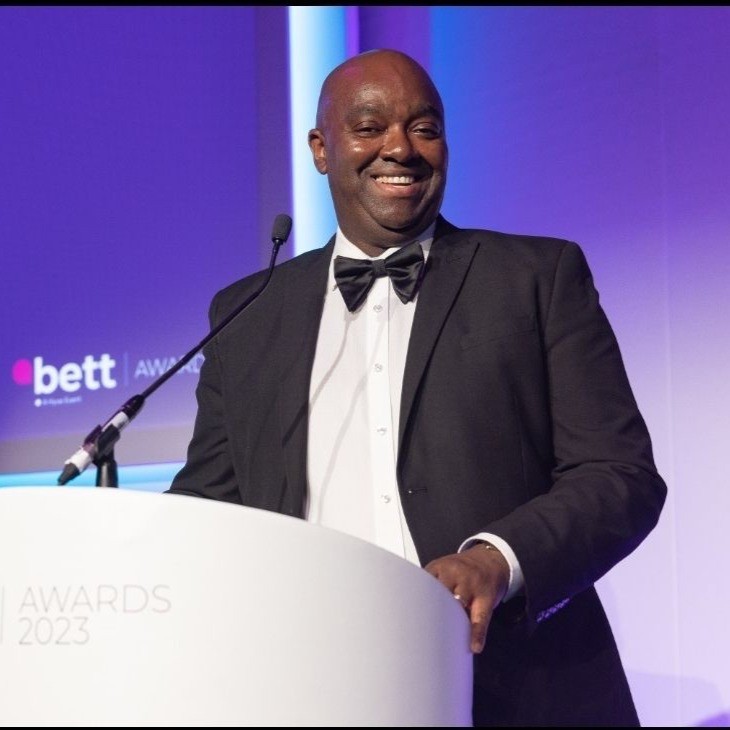
Trevor Lyttleton MBE
Trevor Lyttleton MBE founded Re-engage, pioneering an intergenerational model that connected volunteers with isolated older people. Over decades, the initiative grew from a small community response into a national charity addressing loneliness and social isolation. His contribution broadens the concept of fairness beyond employment and income to include connection, dignity and belonging in later life.
Why this matters: Trevor’s work reminds us that fairness is also about belonging – ensuring age and isolation do not leave people disconnected from community and dignity.
Dr Tru Powell
Dr Tru Powell is an entrepreneur, personal-branding expert and community leader whose work spans business, media, awards and youth development. He is Co-Founder and CEO of Black Business Magazine, Founder of the Multicultural Inspire Awards and previously spent seven years helping lead the Multicultural Business & Community Champion Awards, creating platforms that recognise Black entrepreneurs, community leaders and organisations whose work might otherwise go unseen. He is also Director of Aston Performing Arts Academy, supporting young people through the creative arts, and works with entrepreneurs and leaders on visibility, branding and business growth.
Why this matters: Tru has built a career around creating platforms for other people. Through awards, media, entrepreneurship and youth programmes, he helps Black founders, community leaders and young people gain recognition, confidence, connections and access to opportunity.
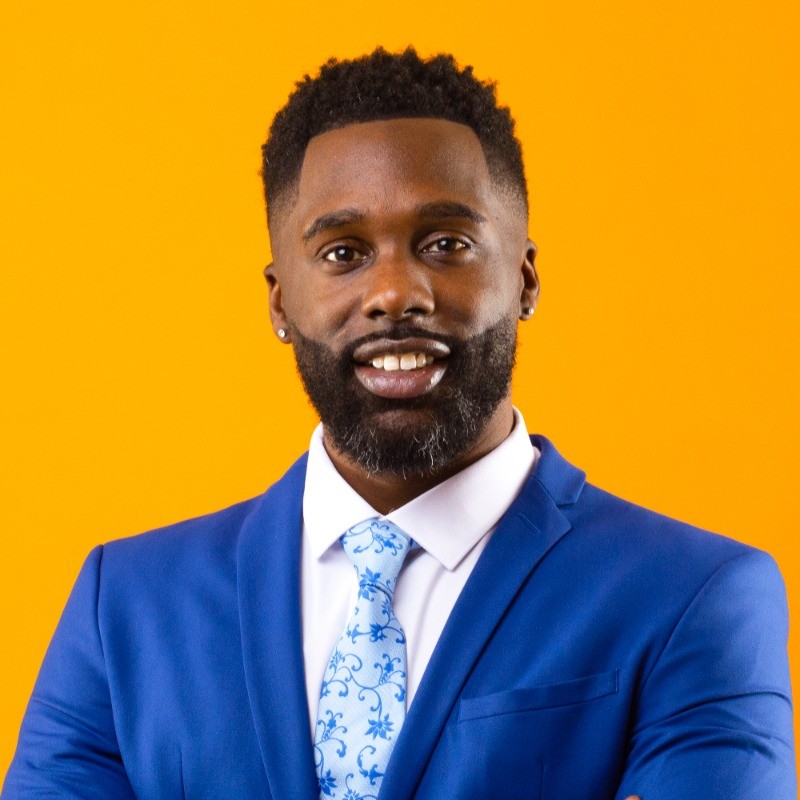
Tunde Banjoko OBE
Founder and CEO of Making The Leap, Tunde Banjoko OBE has spent more than 30 years tackling the relationship between socio-economic background and future opportunity. What began in 1993 as a small project helping unemployed people in Brent into work has grown into a major social-mobility charity supporting thousands of young people each year through skills development, mentoring, school programmes and routes into meaningful employment. Making The Leap has now worked with more than 83,000 people and also partners with employers to improve access to internships, jobs and early-career opportunities. Alongside this direct work, Banjoko has built a wider national movement around social mobility through the UK Social Mobility Awards, Social Mobility Day, the Social Mobility Podcast and the Social Mobility List, helping push employers to examine how recruitment, progression and workplace opportunity are shaped by class and background.
Why this matters: Tunde’s impact spans both sides of the opportunity gap. He has spent decades helping young people build the skills, confidence and connections they need to progress, while also challenging employers to change the systems those young people are entering. His work makes the point powerfully: social mobility cannot depend solely on individuals overcoming disadvantage — organisations also have to remove the barriers that created it.
COMMUNITY, RIGHTS & ADVOCACY
Aderonke Apata
Human-rights activist and Founder and CEO of African Rainbow Family, Aderonke Apata has turned her own experience of the UK asylum system into practical support and advocacy for LGBTQI+ refugees and people seeking asylum. The organisation offers community, advice and campaigning around racial justice, sexuality and migration while Apata has become a prominent voice on the treatment of LGBTQ+ asylum seekers. Her work is especially significant because it sits at the intersection of several systems capable of excluding people simultaneously.
Why this matters: Aderonke has turned her own experience of navigating an unequal system into an organisation helping others facing the combined barriers of race, sexuality and immigration status.
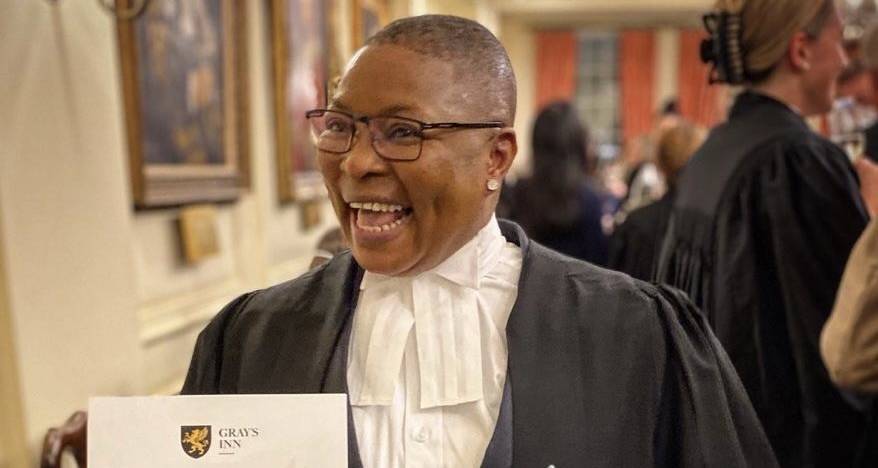
Anthony Francis
Leadership coach and author Anthony Francis has used his personal experience of prostate cancer to encourage men – particularly Black and minority-ethnic men – to speak more openly about health, screening and seeking help. His advocacy extends into the workplace, where he has challenged employers to recognise that health stigma and access to information can directly affect employees’ lives. Fair Play Talks has previously featured his perspective on the importance of talking about men’s health at work.
Why this matters: Anthony is using lived experience to break a silence that can have life-or-death consequences, particularly for Black men facing disproportionately poor prostate-cancer outcomes.
Char Bailey
Advocate and speaker Char Bailey works across race, LGBTQ+ inclusion, neurodiversity and mental health, bringing an explicitly intersectional approach to workplace and community conversations. Her work explores what happens when people belong to several underrepresented groups simultaneously and why inclusion strategies that deal with one identity at a time can miss important experiences of exclusion.
Why this matters: Char makes visible the people who can disappear when organisations treat race, sexuality, disability and mental health as completely separate experiences.

Danise Bartlett-Grant
Founder of Panda’s Tree, Danise Bartlett-Grant works to improve representation, information and culturally relevant support for Black families affected by Down syndrome. Her advocacy helps address a gap in disability support by recognising that families’ experiences of health, education and social services are also shaped by race and culture. Through community-building and information, she helps families navigate systems in which they may otherwise feel poorly represented.
Why this matters: Danise is addressing a gap within disability support itself, ensuring Black families do not have to choose between services that understand disability and communities that understand their cultural experience.
Glenice Allison
Education and inclusion practitioner Glenice Allison has worked inside further education to strengthen Black staff voice, mentoring, anti-racist practice and inclusive policy. Her work has included employee-network leadership, mentoring programmes and involvement in student racial-justice activity. Unlike some nationally visible campaigners, much of her impact happens through sustained institutional work that directly changes the experience of staff and students.
Why this matters: Glenice represents the everyday changemakers who transform institutions from within – through sustained mentoring, policy influence and practical action that changes how staff and students experience them.
Harry Matovu OBE KC
Commercial barrister Harry Matovu OBE KC is Founder and Chair of the Black Talent Charter, created to address persistent underrepresentation of Black professionals across influential professions and businesses. Drawing partly on his own experience at the Commercial Bar, he has brought major employers and institutions into a structured effort to improve representation, progression and accountability. His work targets the systems and networks through which elite professional opportunities are distributed.
Why this matters: Harry is tackling the networks and systems that determine access to elite professions, shifting the question from whether Black talent exists to whether established institutions are prepared to change.
Jacqui Rhule-Dagher
Lawyer Jacqui Rhule-Dagher founded Legally Queerly to increase the visibility of LGBTQ+ professionals within law and create space for conversations around intersectionality. Her work highlights how race and sexuality can interact within a profession where traditional cultures and narrow ideas of professional identity can make belonging difficult. Alongside her legal career, she has helped ensure these overlapping experiences are part of discussions about inclusion within the profession.
Why this matters: Jacqui gives visibility to professionals whose experiences can fall between separate race and LGBTQ+ initiatives, helping the legal profession recognise barriers it might otherwise overlook.
Jason Jones
Human-rights and LGBTQ+ activist Jason Jones has spent more than a decade challenging Trinidad and Tobago’s colonial-era laws criminalising consensual same-sex intimacy. In a landmark victory in 2018, the country’s High Court ruled in his favour and declared the relevant provisions unconstitutional, finding that they violated fundamental rights including privacy and equality. That decision was overturned by the Court of Appeal in 2025 because the majority held that older colonial offences were protected by the Constitution’s “savings clause”, although the court itself found the provisions infringed fundamental rights and were not reasonably justifiable. Jones refused to stop there, taking his case to the Judicial Committee of the Privy Council, Trinidad and Tobago’s highest court of appeal, which heard his appeal in London in July 2026. A final judgment is now awaited.
Why this matters: Jason has already changed the legal and public conversation around LGBTQ+ rights in Trinidad and Tobago. His 2018 victory demonstrated that discriminatory laws could be successfully challenged on fundamental-rights grounds, while his continuing fight has pushed the question all the way to the country’s highest court. Whatever the final judgment, his persistence has forced institutions to confront laws rooted in the colonial era and offered hope far beyond Trinidad and Tobago – to LGBTQ+ communities across the Caribbean, the Commonwealth and other countries still fighting similar discriminatory laws.
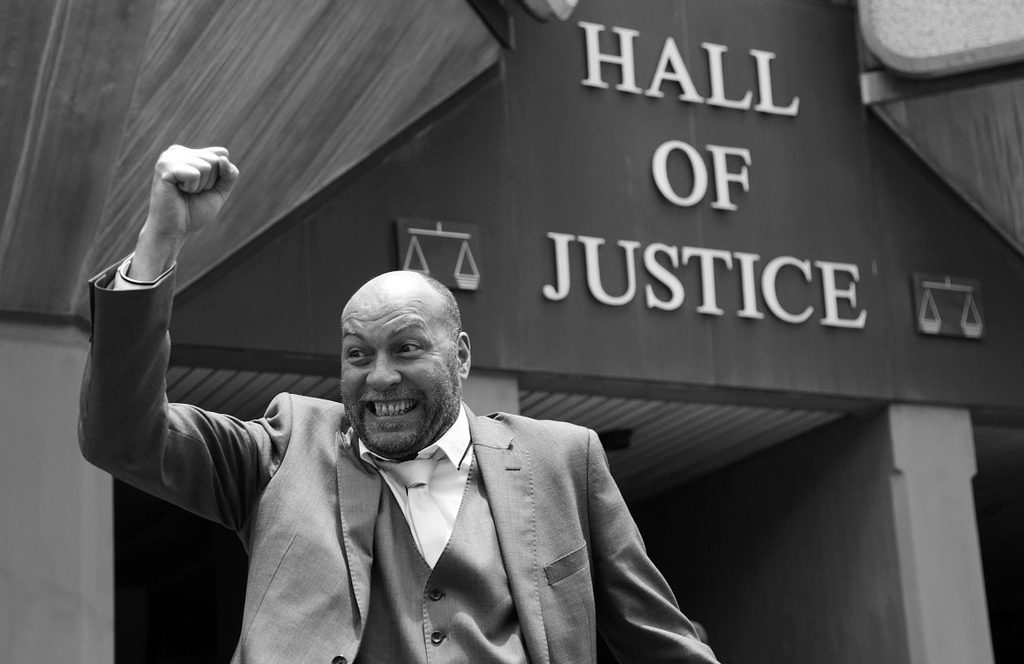
Reverend Jide Macaulay
Founder and CEO of House of Rainbow, Reverend Jide Macaulay has spent decades creating affirming faith spaces for LGBTQ+ people of African heritage. His ministry challenges the idea that sexuality, faith and African identity are inherently incompatible and provides support for people who may experience rejection from both religious and cultural communities. His wider work also spans HIV advocacy, human rights and inclusive theology.
Why this matters: Jide has created spaces where people do not have to choose between faith, culture and sexuality – a powerful form of belonging for those at risk of exclusion from several directions.
Marsha Martin
Founder and CEO of Black SEN Mamas, Marsha Martin has created a large community for Black mothers raising children with special educational needs and disabilities. Drawing on her professional and lived experience, the organisation provides culturally informed information, advocacy, support and community while highlighting inequalities within SEND systems. Her work has helped make visible the particular barriers families can face when race, disability and public services intersect.
Why this matters: Marsha has created culturally informed support for families navigating systems that can already be difficult – and become even harder when race and disability intersect.
Olivia Campbell-Cavendish
Lawyer and community advocate Olivia Campbell-Cavendish is Founder and CEO of the Trans Legal Clinic, which provides free, specialist legal support to trans and non-binary people across housing and homelessness, discrimination, gender-based violence, gender recognition and healthcare. What began as an idea has grown into a frontline legal organisation with its own London base, supporting individual clients while also pursuing strategic litigation aimed at changing discriminatory systems. The Clinic is currently supporting former judge Dr Victoria McCloud’s case at the European Court of Human Rights following the UK Supreme Court’s For Women Scotland ruling. Campbell-Cavendish’s work also widens access to the legal profession by training trans volunteers in casework and connecting them with supervising lawyers. In 2026, she was recognised by the Financial Times/Trans in the City Changemakers List, The Independent Pride List and Attitude 101.
Why this matters: Olivia has turned advocacy into something people can actually use: legal advice, representation and a route to challenge the systems affecting their lives. By combining frontline support with strategic litigation and developing the next generation of trans legal talent, she is helping ensure marginalised people are not simply discussed in debates about their rights, but have the tools and representation to defend them.

Oneness Sankara
Artist, educator, performer and disability advocate Oneness Sankara uses creative work to explore race, disability, motherhood, caregiving and social change. Drawing partly on her experience as a parent-carer, her work brings emotional and cultural visibility to lives that are often represented only through medical or policy language. Through performance and storytelling, she creates space for Black disabled experiences and caregiving to be seen in a fuller, more human way.
Why this matters: Oneness gives emotional and cultural visibility to experiences policy discussions can reduce to statistics, helping Black disabled people and carers be understood as whole people.
Palma Black
Founder and CEO of Soul Purpose 360, Palma Black has built a community-led organisation supporting Black and global-majority women through leadership, wellbeing, entrepreneurship and local networks. Its programmes and community hubs focus on helping women build confidence, skills and relationships while also encouraging them to take more active roles in shaping their communities. Her work places community power, rather than simply individual advancement, at the centre of empowerment.
Why this matters: Palma’s work does not simply support women – it equips them to become leaders, organisers and changemakers inside their own communities.
Paulette Simpson CBE
Paulette Simpson CBE is Executive Director of The Voice, Britain’s only national Black newspaper, which has served the British African-Caribbean community since 1982 and become an important record of Black British life. Alongside her media leadership, Simpson has held senior corporate-affairs and public-policy roles within the Jamaica National Group and has played a prominent role in strengthening links between Britain’s Black communities, public institutions and the Caribbean diaspora. She has also been closely involved in Windrush commemoration, helping ensure the experiences, achievements and injustices faced by the Windrush generation remain visible in national life. Her work bridges journalism, business, community leadership and public engagement, giving Black British voices a platform in spaces where they have too often been overlooked.
Why this matters: Paulette helps steward a national institution that has spent more than four decades telling Black British stories that mainstream media often ignored. Through The Voice and her wider community and public-policy work, she helps ensure Black communities are not only represented, but have their own platform to record their history, challenge injustice and influence the institutions shaping their lives.
Dr Lady Phyll Opoku-Gyimah
Dr Lady Phyll Opoku-Gyimah, widely known as Lady Phyll, is Co-Founder and CEO of UK Black Pride and Executive Director of the DIVA Charitable Trust, and has spent more than two decades campaigning for racial justice, LGBTQIA+ equality and human rights. What began in 2005 as a community gathering for Black LGBTQ+ people grew under her leadership into UK Black Pride, now one of the most significant platforms for LGBTQIA+ people of African, Asian, Caribbean, Latin American and Middle Eastern heritage, combining celebration with advocacy, community organising and political change.
She has also held senior roles in the trade union and international human-rights movements, including at the Kaleidoscope Trust, and continues to use her influence across policy, media and public life to challenge racism, homophobia and inequality at their intersections. At DIVA Charitable Trust, she now leads work focused on visibility, representation, research, community and the power of LGBTQIA+ women and non-binary people to shape the decisions that affect their lives.
Why this matters: Lady Phyll has done far more than create a Pride event. She has spent more than 20 years building spaces, organisations and movements where people who are too often marginalised on several fronts can be visible, safe and powerful. Her work connects race, sexuality, gender, community and human rights – and turns that intersectional lens into practical platforms for representation, advocacy and lasting change.
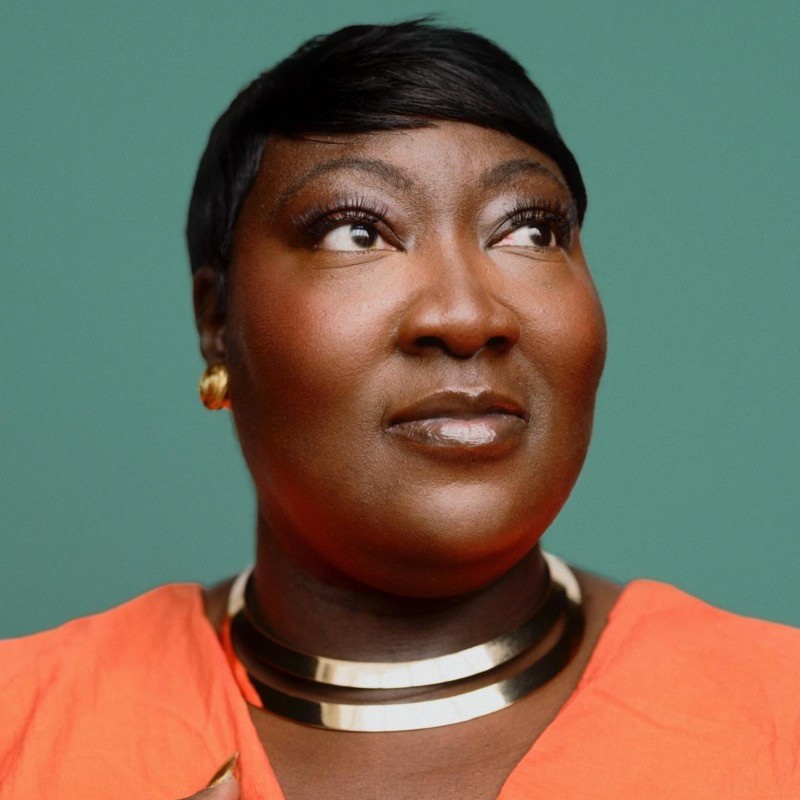
Sonia Meggie
Founder of Inspirational YOU, Sonia Meggie has combined corporate inclusion work with long-standing community programmes supporting Black women, young people and entrepreneurs. Through mentoring, workshops and professional development, she has helped people build confidence and gain access to networks that can influence careers and businesses. Her involvement with wider community organisations has reinforced her focus on creating practical opportunity rather than visibility alone.
Why this matters: Sonia has spent years giving people access to mentors, confidence and professional networks that can counter the invisible advantages enjoyed by those who start with established connections.
Tashan Nicholas
Leadership and career coach Tashan Nicholas works particularly with professionals from marginalised backgrounds, supporting people around progression, leadership, confidence, pay and career strategy. He is also a strong advocate for year-round LGBTQ+ inclusion, challenging organisations to ensure Pride translates into everyday employee experience. Fair Play Talks has featured his perspective on sustaining Pride throughout the year.
Why this matters: Tashan focuses inclusion on outcomes people can actually feel – whether they are progressing, being rewarded fairly and able to build a career without hiding who they are.
Yasmin Benoit
Model, activist, writer and researcher Yasmin Benoit has become one of the world’s most visible advocates for asexual and aromantic people. After publicly coming out as aromantic-asexual in 2017, she created #ThisIsWhatAsexualLooksLike to challenge stereotypes about what asexuality is supposed to look like and later co-founded International Asexuality Day. She has since taken that visibility into research and policy, partnering with Stonewall to produce the Ace in the UK report examining discrimination in healthcare, workplaces and wider society. She now holds a visiting research position at King’s College London’s Policy Institute, where her work has explored public attitudes towards asexuality, and in 2026 collaborated with the Human Rights Campaign on research into asexual experiences in the US.
Why this matters: Yasmin has helped move asexuality from the margins of LGBTQ+ conversations into mainstream visibility, research and policy. As a Black woman who has also spoken about the racialised stereotypes and hypersexualisation that can make her own identity harder for others to understand, she brings an important intersectional perspective to that work. Most importantly, she is helping ensure asexual people are not simply more visible, but better understood, researched and considered when institutions make decisions affecting their lives.
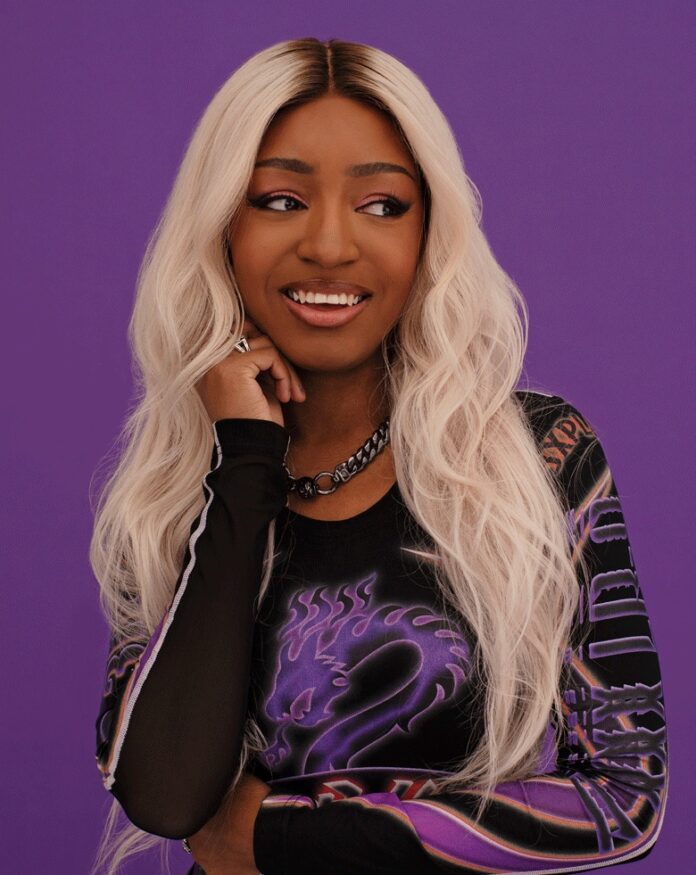
Yvonne Field OBE
Founder and CEO of The Ubele Initiative, Yvonne Field OBE has spent decades strengthening Black and minoritised community organisations through leadership development, funding, enterprise and community ownership. Ubele works to ensure communities have the skills, organisations and resources required to shape their own futures rather than remaining dependent on decisions made elsewhere. Her work is rooted in the principle that communities need power and infrastructure, not simply consultation.
Why this matters: Yvonne’s work gives communities more than a voice – it helps them build the organisations, resources and infrastructure needed to shape their own futures.
MEDIA, CULTURE & STORYTELLING
Chantelle Clarke
Media and education professional Chantelle Clarke is co-host of Black Women Working, a platform focused on the experiences of Black women within professional workplaces. Bringing together her background in education, content and workplace culture, she has helped create space for honest conversations about bias, progression, leadership and belonging that can otherwise remain unspoken. The platform has developed into an important source of community and shared language around Black women’s working lives.
Why this matters: Chantelle helps turn experiences that can feel personal or isolated into shared patterns organisations can recognise – giving Black women language and community around workplace inequality.
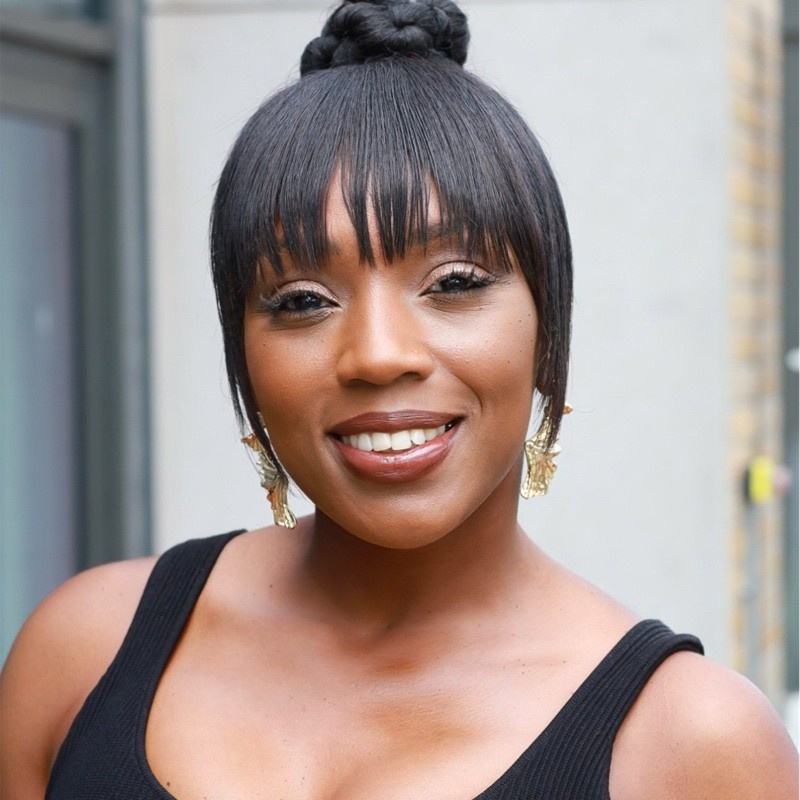
David Olusoga OBE
Historian, broadcaster and author David Olusoga OBE is Professor of Public History at the University of Manchester and one of Britain’s most influential public historians. Through books and television including Black and British: A Forgotten History, he has demonstrated how Black people, migration, slavery and empire are woven into Britain’s national story. His work has helped shift Black British history from the margins of specialist scholarship towards mainstream public understanding.
Why this matters: David’s work changes not simply who appears in history, but the history itself – showing that Black experience is fundamental to understanding Britain.
Edward Enninful OBE
Edward Enninful OBE is one of the most influential figures in global fashion and media. As former Editor-in-Chief of British Vogue from 2017, he became the first Black person to lead the title and deliberately widened representation across race, disability, age, gender and body image. His tenure included landmark covers and issues featuring older women, disabled and trans talent, as well as the magazine’s first Braille edition, helping challenge long-established ideas about who could embody beauty, status and influence. Today, he is Co-Founder and Chief Creative Officer of EE72, his global media and entertainment company, extending that work into a broader cultural and creative platform. He was also honoured with the prestigious Black British Business 2026 ICON Award, celebrating his achievements, influence and contribution to British fashion and culture.
Why this matters: Edward helped change not only who appeared in fashion media, but who was considered worthy of visibility and cultural influence. His work opened doors for talent long excluded from the industry and helped make representation a more central expectation of mainstream media.
Hannah Ajala
Journalist Hannah Ajala founded We Are Black Journos to connect, support and increase the visibility of Black journalists working across British media. Alongside an international reporting career, she created the network in response to the underrepresentation and isolation Black journalists can experience inside newsrooms. It provides community, professional connection and greater visibility for talent across journalism and broadcasting.
Why this matters: Hannah is addressing both sides of representation in journalism – who gets into the newsroom and whose experiences influence which stories are considered worth telling.
Baroness June Sarpong OBE
Broadcaster, author, campaigner and life peer Baroness June Sarpong OBE has spent decades advocating for greater representation across media, business and public life. She became the BBC’s first Director of Creative Diversity and its first Black woman Executive Committee member, combining a high-profile media career with responsibility for driving institutional change behind the scenes. Her wider work has explored privilege, women’s empowerment, leadership and social impact, and in 2026 she entered the House of Lords as Baroness Sarpong of Walthamstow, extending that influence into public life and policymaking.
Why this matters: June has repeatedly used the influence she has gained to open up institutions for others. Her career shows how visibility can become something much more powerful when it is used to change who gets heard, who gets opportunities and who has a voice in the rooms where decisions are made.
Sir Lenny Henry
Actor, writer, producer and campaigner Sir Lenny Henry has used more than five decades in entertainment to challenge racial inequality across British broadcasting. His advocacy helped establish the Sir Lenny Henry Centre for Media Diversity, which produces research into representation both on screen and behind the camera. He has also created opportunities through production, writing and wider cultural work, consistently pressing broadcasters to move beyond token representation. Sir Lenny Henry received the Lifetime Achievement Award in recognition of his decades-long contribution to improving representation across the UK’s creative industries at the British Diversity Awards 2026.
Why this matters: Lenny moved the conversation beyond who appears on screen to who writes, commissions, produces and makes decisions – the places where lasting power in media actually sits.
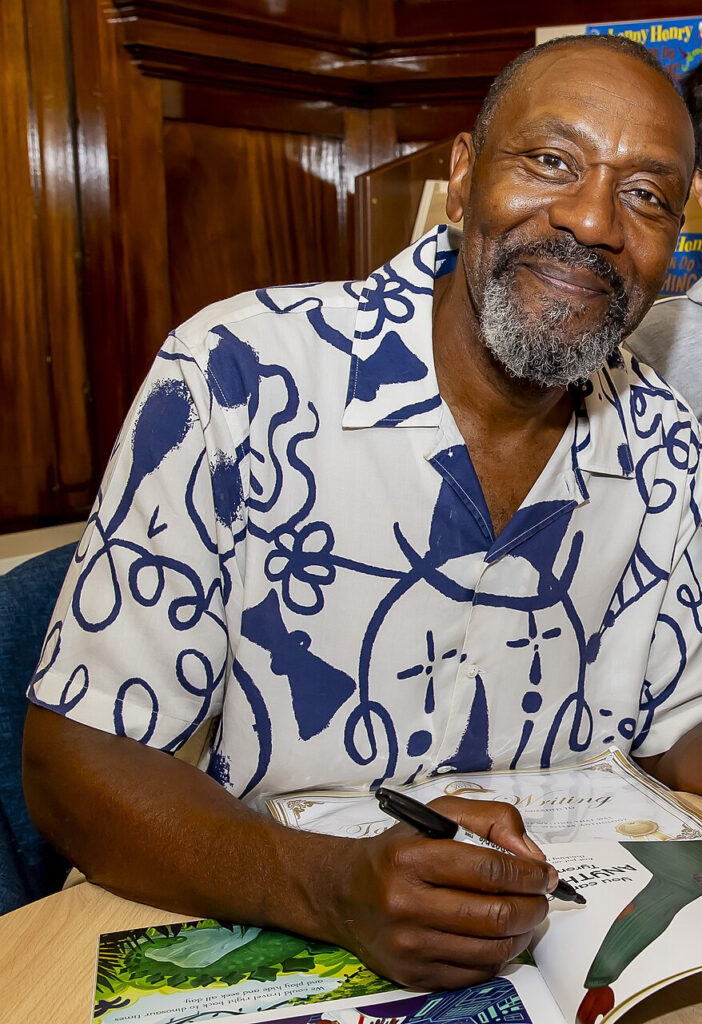
Marcus Ryder MBE
Marcus Ryder MBE is Chief Executive of the Film & TV Charity and Chair of RADA, following more than 25 years working across journalism, broadcasting and media leadership. He previously led external consultancy work at the Sir Lenny Henry Centre for Media Diversity and has been closely involved in research and policy examining racial inequality across the media industries. His career combines institutional leadership with a strong focus on evidence, representation and industry accountability.
Why this matters: Marcus has helped turn media diversity from anecdote into evidence and institutional action – focusing attention on who gets opportunities and who holds power behind the scenes.
Marverine Cole
Journalist and broadcaster Marverine Cole has built a career spanning television, radio, print and academia, including high-profile newsreading and reporting roles. Alongside her on-air work, she mentors aspiring journalists and has used research and public speaking to explore representation, mental health and the experiences of women of colour. Her contribution goes beyond being visible on screen to helping other people build the confidence and skills required to enter the industry.
Why this matters: Marverine combines visibility with practical support for the next generation, helping make representation in journalism something that can be sustained rather than celebrated only when somebody becomes a first.

Misan Harriman
Photographer, filmmaker and activist Misan Harriman has used visual storytelling to document social movements and communities historically underrepresented in mainstream culture. His work has included major portraits, protest photography and campaigns that place Black and disabled lives within the public visual record. As the first Black male photographer to shoot a British Vogue cover, he has also broken barriers within one of the world’s most influential cultural institutions.
Why this matters: Misan’s images help determine whose lives become part of the public record – ensuring people often overlooked by history are seen, remembered and valued.
Munroe Bergdorf
Model, author and activist Munroe Bergdorf has used her platform to advocate for transgender equality, racial justice and intersectional inclusion. Her work repeatedly connects racism, sexism and transphobia rather than treating them as isolated issues and has helped bring Black trans experiences into mainstream cultural and workplace conversations. She has also worked with major organisations and charities on equality and representation.
Why this matters: Munroe consistently connects different forms of discrimination, challenging institutions to recognise that racism, sexism and transphobia can compound one another.

Shannie Mears
Co-Founder of The Elephant Room, Shannie Mears works across creative strategy, culture and communities to widen access within advertising and the creative industries. The business was founded to challenge the sector’s persistent problems around representation and whose ideas are given investment and influence. Her work focuses on bringing underrepresented creative voices into the process of making and leading work rather than simply featuring them as audiences or subjects.
Why this matters: Shannie challenges an industry that has often featured diverse people in campaigns without giving them equal power behind the scenes to create, lead and benefit economically.
Stormzy
Artist and entrepreneur Stormzy has used his cultural and financial influence to create opportunities beyond music. His scholarships for Black UK students at the University of Cambridge challenged perceptions about who belongs within elite higher education, while his wider #Merky ecosystem has created platforms across publishing, music and culture. His philanthropy and commercial ventures have consistently sought to widen routes into spaces where Black representation has historically been limited.
Why this matters: Stormzy has turned cultural success into tangible routes into elite education and creative opportunity, giving other young Black people access to spaces where representation has historically been limited.

Sir Trevor McDonald OBE
Journalist and broadcaster Sir Trevor McDonald OBE broke some of the most significant racial barriers in British television journalism. During a long career at ITN, he became one of the country’s most trusted news anchors and interviewed global leaders while occupying a position of national authority that Black journalists had rarely been seen to hold. His career fundamentally changed the visual language of credibility and leadership in British broadcasting.
Why this matters: Trevor changed what authority looked like on British television. His presence helped make a Black journalist delivering the nation’s biggest stories increasingly normal rather than exceptional.
YolanDa Brown OBE
Musician, broadcaster, composer and educator YolanDa Brown OBE has consistently combined a successful creative career with advocacy for music education and wider participation in the arts. Her work includes initiatives aimed at children and young people and a broader commitment to ensuring access to music is not determined solely by income or geography. She has also used leadership roles within the cultural sector to advocate for the value of creative education.
Why this matters: YolanDa’s work recognises that talent is everywhere while instruments, lessons, networks and creative opportunities are not – and seeks to close that gap.
SPORT, HEALTH & WELLBEING
Alex Scott MBE
Former Arsenal and England footballer Alex Scott MBE has built a major broadcasting career since retiring from elite football, becoming one of the most prominent women in British sports media. Her career has seen her break barriers both as a Black woman and as a former female player entering broadcasting spaces historically dominated by men. Alongside her own progression, she has spoken openly about representation, sexism and racism in sport and media.
Why this matters: Alex has widened what younger Black women can imagine for themselves in sport – not only as athletes but as authoritative broadcasters shaping the national conversation.
Dame Kelly Holmes
Double Olympic champion Dame Kelly Holmes spent nearly two decades using the Dame Kelly Holmes Trust to support young people facing disadvantage through athlete mentoring, confidence-building and employability programmes. The Trust’s programmes harnessed the experience of elite athletes to help young people develop resilience, communication and workplace skills. When the Trust wound down as a standalone organisation in 2026, key elements of that work were transferred so its impact could continue.
Why this matters: Kelly converted the skills, confidence and influence created through elite sport into sustained support for young people who may never otherwise have had access to high-level mentors.
Professor Kevin Fenton CBE
Professor Kevin Fenton CBE is one of Britain’s most senior public-health leaders, with roles spanning London, the NHS and the Office for Health Improvement and Disparities. Across a career in the UK and internationally, he has focused particularly on infectious disease, health inequalities and the social and structural factors driving unequal outcomes. His work has consistently highlighted the relationship between ethnicity, deprivation and health.
Why this matters: Kevin’s work makes health inequality visible as a fairness issue – showing that somebody’s ethnicity, income or postcode should not determine how long or how healthily they live.
Leon Mann MBE
Sports consultant, filmmaker and entrepreneur Leon Mann MBE founded BCOMS, co-founded the Football Black List and established the Sport’s People’s Think Tank. For more than two decades, he has challenged underrepresentation across sports journalism, broadcasting and leadership while creating masterclasses, mentoring, networks and industry connections for Black and underrepresented talent. His work has addressed one of sport’s most persistent contradictions: high Black representation among athletes but much lower representation in the roles controlling coverage, business and governance.
Why this matters: Leon has built practical routes into an industry where Black people have long been highly visible on the field but much less visible in journalism, leadership and decision-making behind it.
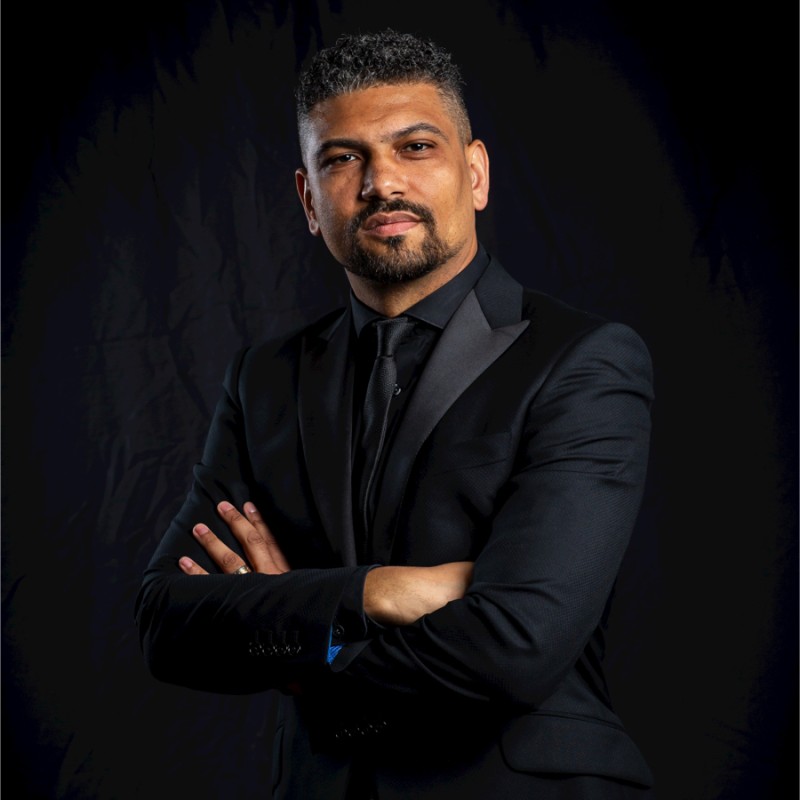
Marcus Rashford MBE
Footballer Marcus Rashford MBE used his national platform to bring child food poverty onto the political agenda, most notably through campaigning around access to free school meals. His wider work has also supported literacy and opportunities for disadvantaged children. By drawing directly on his own childhood experience, he helped transform an issue often discussed in abstract economic terms into a national conversation about the lives and dignity of children.
Why this matters: Marcus demonstrated that a public platform can be used to make the experiences of children living in poverty impossible for national decision-makers to ignore.
Michael Gunning
Former international swimmer and broadcaster Michael Gunning represented both Great Britain and Jamaica and became a highly visible Black LGBTQ+ athlete in a sport where both forms of representation remain limited. Since retiring from elite competition, he has worked in broadcasting, mentoring and advocacy around race, sexuality, mental health and diversity in swimming. He has also worked with governing bodies and organisations seeking to widen participation in aquatics.
Why this matters: Michael’s visibility challenges two barriers at once, showing young Black and LGBTQ+ people that they can belong in sporting spaces where people like them have historically been difficult to see.

Raheem Sterling MBE
Footballer Raheem Sterling MBE established the Raheem Sterling Foundation to create educational, training and social-mobility opportunities for young people from underserved communities. Its work draws on Sterling’s own experience of growing up in areas where talent and ambition do not always translate into opportunity, and focuses on creating practical pathways for younger people. He has also been an outspoken voice on racism within football.
Why this matters: Raheem has used the resources created through elite sport to build opportunities designed to outlast a football career and improve the prospects of younger people who start with fewer advantages.
PUBLIC SERVICE, LAW & SYSTEMS CHANGE
Baroness Doreen Lawrence OBE
Baroness Doreen Lawrence OBE transformed the racist murder of her son Stephen into more than three decades of campaigning for justice, accountability and institutional reform. Her persistence helped expose systemic failures within policing and contributed to one of the most important national conversations about institutional racism in modern Britain. Through the Stephen Lawrence Day Foundation, that legacy now also supports young people with opportunity and aspiration.
Why this matters: Doreen’s persistence helped force Britain to confront institutional racism in policing and shows how one family’s fight for justice can change national institutions.
Baroness Floella Benjamin OM DBE
Broadcaster, author and parliamentarian Baroness Floella Benjamin OM DBE has spent decades advocating for children, education, diversity and equality. Beginning as a pioneering Black presence on British children’s television, she later used public office and the House of Lords to champion children’s wellbeing, cultural representation and Windrush commemoration. Her career demonstrates how visibility can evolve into sustained institutional influence.
Why this matters: Floella has used the visibility she first gained as a pioneering Black children’s broadcaster to influence the conditions in which future generations grow up and understand their potential.
Baroness Patricia Scotland KC
Lawyer and public servant Baroness Patricia Scotland KC has broken numerous barriers across law, government and international leadership. Her career has included becoming the first Black woman appointed Queen’s Counsel, serving in senior government roles and leading the Commonwealth, alongside substantial work on domestic violence, human rights and access to justice. She has repeatedly used institutional power to strengthen protections for people facing inequality and abuse.
Why this matters: Patricia has demonstrated how reaching the top of legal and public institutions can be used to strengthen protections for people whose voices and safety might otherwise receive less attention.
Dame Chi Onwurah MP
Engineer and parliamentarian Dame Chi Onwurah MP represents Newcastle upon Tyne Central and West and chairs the House of Commons Science, Innovation and Technology Committee. Before entering Parliament she built a career in engineering and telecommunications and has consistently advocated for broader participation in STEM. Her work connects questions of technological innovation with who gets access to the education, skills and opportunities required to shape it.
Why this matters: Chi brings both engineering expertise and lived experience into decisions about Britain’s technological future, challenging the idea that innovation can thrive while large groups remain excluded from it.
David Lammy MP
David Lammy MP has represented Tottenham since 2000 and has held several senior government positions. His broader public record includes the independent Lammy Review into racial disparities within the criminal-justice system, as well as long-standing work around education, Windrush, social mobility and racial inequality. Whatever ministerial post he holds at a particular moment, his wider contribution has centred on bringing evidence of unequal outcomes into national policymaking.
Why this matters: David has repeatedly taken evidence of racial inequality into institutions with the power to alter policy and law – helping ensure disparities are debated where systemic decisions are actually made.
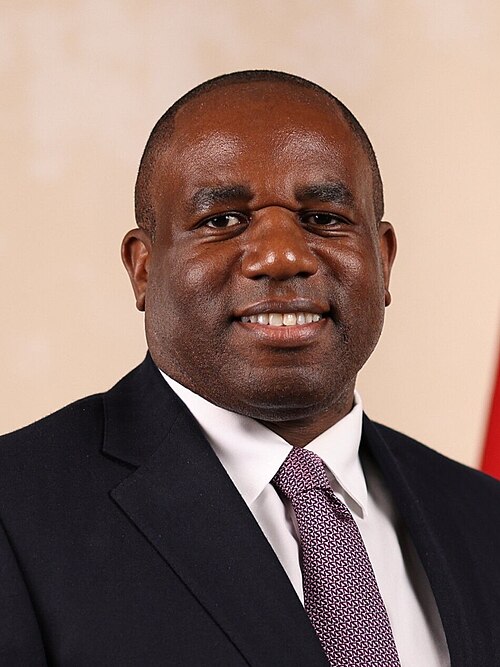
Dawn Butler MP
Dawn Butler MP represents Brent East and has been a prominent parliamentary voice on race equality, workplace discrimination, policing and representation. During her parliamentary career she has repeatedly brought issues affecting Black communities and employees into national debate and has also been closely involved in community initiatives and campaigns outside Westminster.
Why this matters: Dawn has used political office to bring workplace and community experiences into Parliament, giving issues that can be marginalised outside Westminster a direct route into national debate.
Rt Hon Diane Abbott MP
Rt Hon Diane Abbott MP has represented Hackney North and Stoke Newington since 1987, when she became the first Black woman ever elected to the House of Commons. Her decades in Parliament have made her one of the most significant Black political trailblazers in modern British history. Whatever the political debates surrounding her career, the historic barrier she broke fundamentally changed who could imagine themselves occupying political power.
Why this matters: Diane’s significance lies partly in making the previously unimaginable visible: generations of Black women entered politics after seeing somebody who looked like them occupying a seat in Parliament.
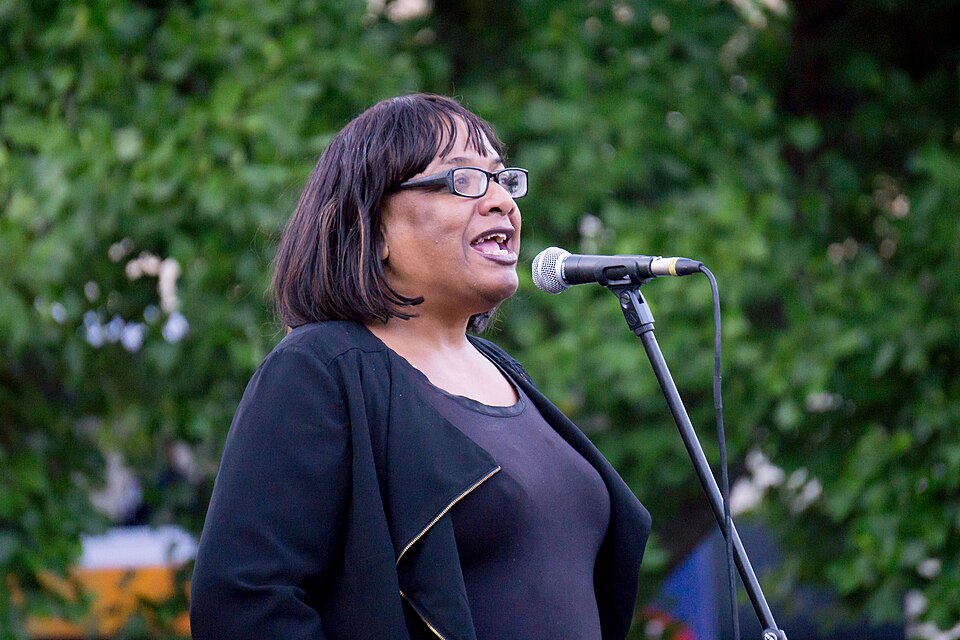
Dr I. Stephanie Boyce CBE FKC
Solicitor and public leader Dr I. Stephanie Boyce CBE FKC became the first Black President of the Law Society of England and Wales in 2021. Since then, she has continued to work across governance, leadership, access to justice and social mobility, including senior roles within legal and charitable organisations. Her public advocacy has consistently asked why a profession dedicated to justice has itself struggled to achieve equal representation in leadership.
Why this matters: Stephanie did not simply become an historic first; she has used that position to question why the legal profession remained so unrepresentative and how access to its leadership can be widened.
Lord Simon Woolley
Lord Simon Woolley is Principal of Homerton College, Cambridge, where he became the first Black man to lead an Oxbridge college. His career spans political representation, race equality, education and public service. He founded Operation Black Vote in 1996 and led it until 2021, building one of Britain’s most influential organisations focused on increasing Black and minority-ethnic participation in politics and public life. He has also served as an Equality and Human Rights Commissioner and was appointed by the UK Government to create and lead the Race Disparity Unit, which brought greater transparency to inequalities across areas including crime, education and health. At Homerton, he continues that focus on widening participation, educational access and supporting marginalised potential, while also contributing to leadership-development initiatives designed to prepare future Black and minority-ethnic leaders for senior roles.
Why this matters: Simon’s impact spans far beyond political representation. He has spent three decades building routes into power – from helping more Black people engage with politics and public life to leading one of Cambridge’s colleges and widening access to education and leadership. His work is ultimately about ensuring people from underrepresented communities are not simply represented in institutions, but are equipped to lead them.
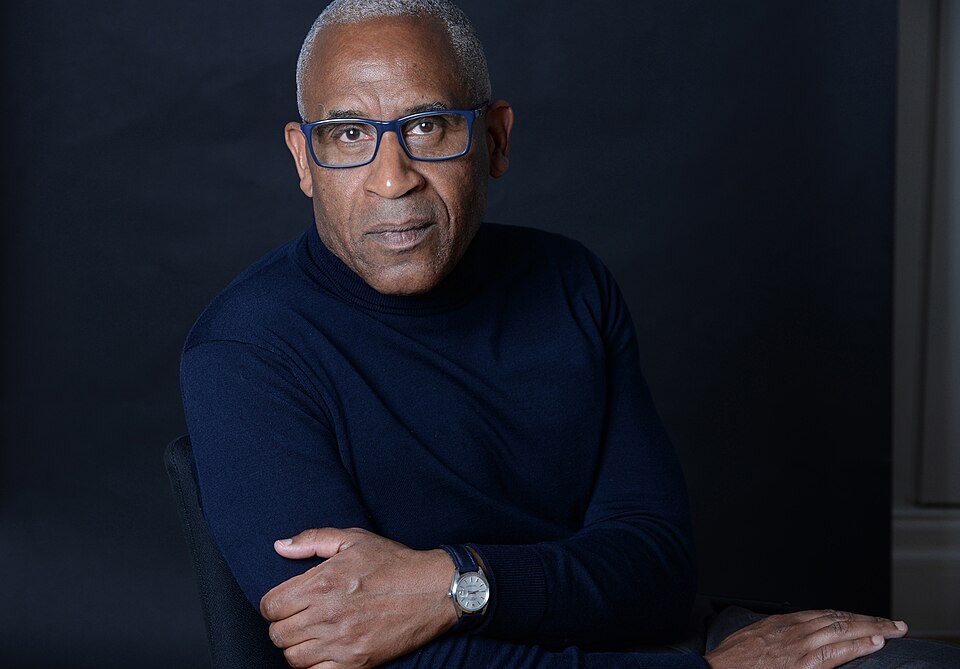
Marsha De Cordova MP
Marsha De Cordova MP represents Battersea and brings an important intersectional perspective to Parliament as a Black disabled woman and long-standing disability-rights advocate. Her work has focused on accessibility, social security, equality and whether public policy reflects the realities of disabled people’s lives. Her presence also challenges the persistent underrepresentation of disabled people, and particularly disabled women of colour, within political leadership.
Why this matters: Marsha brings experiences of race and disability directly into policymaking, exposing barriers that can remain invisible when decisions are made without the people affected by them.
IN MEMORIAM: LEGACIES THAT CONTINUE TO OPEN DOORS
Black History Month is also an opportunity to remember changemakers whose work continues to shape opportunity after their passing.
Kanya King CBE
Founder and CEO of MOBO, Kanya King CBE transformed the visibility and commercial recognition of Black music and culture in Britain. When she created the MOBO Awards in 1996, mainstream institutions offered far fewer platforms for Black artists; she went on to build the awards into a major national institution and expand MOBO’s work into talent development, mentoring and opportunity for emerging creatives. Her influence reached far beyond individual award winners by helping change how Black music was valued within British culture and business. Kanya King passed away in June 2026.
Why this matters: Kanya did not wait for an established institution to recognise Black music – she built one. In doing so, she changed who received attention, investment and opportunity across British culture.
Eric Huntley
Publisher and activist Eric Huntley was a pioneer of Black British publishing. Alongside his wife Jessica Huntley, he co-founded Bogle-L’Ouverture Publications in 1968, creating a home for Black writers, political thought and histories at a time when mainstream publishers offered very few such opportunities. Their publishing and activism helped preserve and disseminate ideas central to Black British political and cultural life and created an archive of thought that remains significant decades later. Huntley passed away in January 2026, aged 96.
Why this matters: Eric and Jessica Huntley created the infrastructure Black writers needed when mainstream institutions would not. Their work ensured Black ideas and histories could be published, preserved and passed to future generations.
THE LIST DOESN’T END HERE
This list is not finished. There are many more people doing extraordinary work across Britain whose contributions deserve recognition. Fair Play Talks would therefore like to continue hearing from readers about the people opening doors, changing systems and strengthening communities – not only during Black History Month, but throughout the year. Because Black history does not end when October does. And neither does the work of creating a fairer future.
To suggest someone for inclusion in next year’s list, contact editorial@fairplaytalks.com.
RELATED ARTICLES
Celebrating Black excellence during UK Black History Month, the Black British Business Awards 2026 have honoured trailblazing leaders, innovators and rising stars, including Dr Martens CEO Ije Nwokorie and former British Vogue Editor-in-Chief Edward Enninful, for their achievements in shaping British business and culture.
Barclays’ Nana Agyemang talks to Fair Play Talks about representation, racial equity, resilience and his ambition to help build a stronger community of Black professionals, entrepreneurs and allies.
Lloyds Banking Group’s Philip Hocking explores how employee resource groups can go beyond events and awareness to create connections, uncover talent, develop future leaders and open up opportunities.
Jesse Owusu, CEO and Co-Founder of CORD and a Rising Star finalist at the 2026 Black British Business Awards, talks to Fair Play Talks about entrepreneurship, representation, ownership and his ambition to create more routes into the creative industries for Black and underrepresented talent.
From global activists to industry leaders, LGBTQIA+ women and non-binary people are challenging inequality, driving accountability and helping build a fairer, more inclusive world.
From broadcasting icons and community champions to employers breaking down barriers, the Ethnicity Awards 2026 have celebrated individuals and organisations making a difference to ethnic representation, equality and opportunity across the UK.