












One in five Gen Z men have taken mental health leave, according to new research. As Men’s Health Week in the UK and US highlights growing concerns around men’s wellbeing, experts say employers must do more to challenge outdated assumptions about men’s mental health, address workplace stress and create environments where employees feel safe seeking support.
According to a new survey from The Standard, one in five young men have taken mental health leave, with Gen Z men now taking leave at the same rate as Gen Z women – a sign that workplace attitudes towards mental health may be changing. But while younger men are becoming more willing to seek support, employers may still be failing to address the workplace pressures driving them to take leave in the first place.
For decades, men have been less likely than women to seek help for mental health challenges, particularly in the workplace. The research from The Standard suggests that may finally be changing.
ADDRESSING MEN’S MENTAL HEALTH CHALLENGES AT WORK
The study found that one in five men aged 18 to 26 have taken leave from work to address mental health challenges – a higher rate than men from any other generation currently in the workforce. While 20% of Gen Z men reported taking mental health leave, the figure falls to 14% among millennials, 11% among Generation X and just 6% among Baby Boomers.
Perhaps most strikingly, Gen Z men and Gen Z women are taking mental health leave at exactly the same rate – a significant departure from historical patterns where women have generally been more likely to seek support for mental health challenges. The findings suggest younger men may be helping to dismantle one of the longest-standing workplace taboos: the stigma surrounding men’s mental health. But the research also reveals a warning for employers. While Gen Z men appear more willing to prioritise their wellbeing, they are 35% less likely to return to work after taking mental health leave than women in the same age group.
MEN’S MENTAL HEALTH WEEK
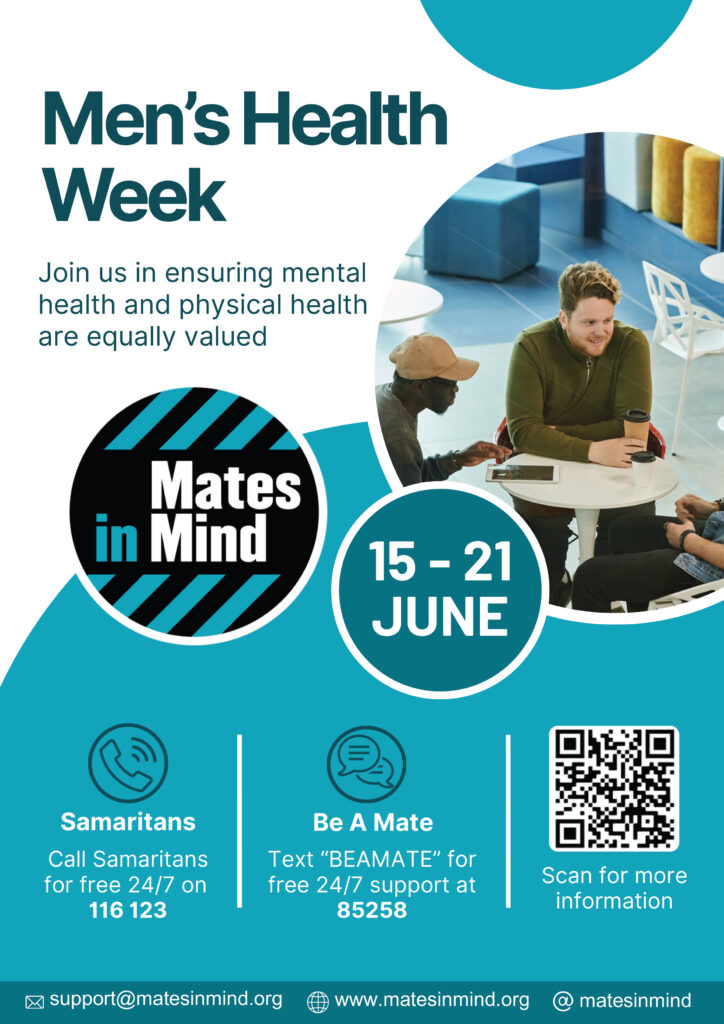
The findings are particularly relevant as organisations mark Men’s Health Week (15-21 June), an annual international campaign that raises awareness of the health challenges facing men and boys.
The awareness week originated in the United States in 1994 and expanded internationally in 2002. In the UK, it is led by the Men’s Health Forum and takes place annually during the week leading up to Father’s Day. Campaigners say the need for greater awareness remains urgent. According to the Bupa Wellbeing Index:
- 50% of men have struggled with mental health difficulties at some point, yet fewer than half have sought medical advice.
- 43% of working British men want employers to provide greater mental health support.
- 37% admit hiding mental health challenges from their partners.
- 30% do not know where to turn for advice or support.
- 65% of employees believe stigma around men’s mental health remains strong.
These findings suggest that despite growing awareness, many men continue to struggle in silence. For employers, the figures underline the gap between growing awareness of mental health and employees’ willingness to seek support when they need it most.
TURNING POINT FOR MEN’S HEALTH
The findings from The Standard arrive at a time when men’s mental health is receiving growing attention both inside and outside the workplace. According to the UK’s latest Office for National Statistics data, men account for around three-quarters of all suicides registered in England and Wales. Suicide remains one of the leading causes of death among younger and middle-aged men, prompting renewed calls for employers, policymakers and communities to do more to tackle stigma and improve access to support.
Against that backdrop, the fact that Gen Z men are taking mental health leave at the same rate as women may represent a significant cultural shift. While taking leave is not in itself a solution, it may indicate that younger men are becoming more willing to acknowledge mental health challenges and seek support before reaching crisis point.
Perhaps the most significant takeaway from the research is not the number of Gen Z men taking mental health leave, but what it says about changing attitudes towards masculinity in the workplace. For generations, many men were taught to suppress vulnerability, avoid discussing mental health challenges and prioritise work regardless of personal wellbeing.
According to Peter Bray, Programme Manager at charity Mates in Mind, the findings highlight a broader challenge facing men both inside and outside the workplace. “Boys and men often experience undiagnosed mental health issues, with behavioural problems in boys leading to poorer outcomes later in life,” he said. “Evidence suggests that boys and men are less likely to seek mental health care, yet suicide rates among young men and men generally remain high.”
GEN Z REDEFINING MASCULINITY AT WORK
In many workplaces, resilience was often interpreted as simply carrying on. Gen Z appears to be challenging those assumptions. Rather than viewing stress, anxiety or burnout as something to hide, younger men increasingly appear willing to acknowledge when they need support and take action to protect their wellbeing.
That does not necessarily mean younger workers are less resilient. Instead, it may reflect a broader understanding that mental health is an essential part of long-term performance, productivity and career sustainability.
Official figures continue to paint a concerning picture. According to the Office for National Statistics, around three-quarters of suicides registered in England and Wales in 2023 were male. Meanwhile, UK Parliament figures show that four in five suicides are by men, while suicide remains the leading cause of death for men under 35. The figures underline why campaigners continue to call for earlier intervention, greater awareness and more supportive workplace cultures.
Against that backdrop, the finding that Gen Z men are taking mental health leave at the same rate as women may represent a significant cultural shift.
ENCOURAGING MEN TO TALK ABOUT MENTAL HEALTH MATTERS
The findings also reflect broader changes in how younger men view work, wellbeing and caregiving responsibilities. Previous studies cited in Fair Play Talks, found that almost half of working fathers still feel nervous about requesting time off to care for their children, highlighting how expectations around masculinity continue to influence workplace behaviour.
At the same time, growing numbers of employers are investing in men’s health initiatives and encouraging more open conversations about wellbeing. Together, these trends suggest younger generations may be redefining not only how men talk about mental health, but also how they engage with work, family life and support systems.
WORKPLACE SUPPORT FOR MEN’S WELLBEING
While the headline statistic focuses on mental health leave, the more significant finding may be what happens next. According to The Standard’s research, Gen Z men who take mental health leave are 35% less likely to return to work than women in the same age group. That raises important questions for employers, such as:
- Are organisations providing adequate support when employees return from leave?
- Do managers know how to have conversations about mental health?
- Are workplaces addressing the causes of poor mental health – or simply managing the consequences?
Researchers increasingly argue that many organisations still treat mental health as a benefits issue rather than a workplace culture issue.
TACKLING WORKPLACE STRESS
The findings arrive amid growing concern about workplace stress and mental health in the UK. According to the Health and Safety Executive, stress, depression and anxiety remain among the leading causes of work-related ill health in Great Britain, highlighting the growing need for employers to address the root causes of poor mental health rather than simply responding once employees reach crisis point.
Previous studies show that more than half of UK employees experience excessive workplace stress, with many citing workload pressures, unrealistic expectations and a lack of support from managers as key contributors. Separate research found that one-third of UK workers feel overwhelmed by workplace pressures. Research has also shown that employees who experience a strong sense of belonging and support at work report significantly lower levels of burnout and anxiety.
Meanwhile, workplace wellness continues to play an increasingly important role in employee retention. Fair Play Talks recently reported that six in ten millennials and Gen Z workers would consider leaving an employer if their wellbeing needs went unsupported.
GUIDANCE FOR EMPLOYERS
Bray believes organisations often approach physical and mental health very differently. “In the sectors Mates in Mind supports, physical safety is taken seriously. PPE, inductions, risk assessments and safe systems of work are built into everyday tasks. Yet mental health hazards can be just as damaging and are rarely planned for with the same confidence.”
He argues that mental health should be treated with the same seriousness as physical health. “If someone experiences a physical injury, we investigate,” shared Bray. “If someone experiences burnout, depression or overwhelming stress, it is often seen as a personal matter. But mental health is shaped by the systems people work in. It is linked to workload, deadlines, leadership, communication, job design, living conditions and culture.”
When workers feel supported, “everything improves,” added Bray. “Safety, quality, performance, morale, retention, trust and pride in the job.”
CREATING SUPPORTIVE CULTURES
Creating that supportive culture requires both prevention and practical support when employees need help. Nathan Whiteley, Vice President of Absence and Disability Services at The Standard, said organisations should focus on making support easier to access. “Easy access to providers, employee assistance programmes and benefits that help workers return to work, or even stay while they receive treatment, are ways to help meet the needs of your employees,” he said.
Experts say employers should focus on reducing stigma, training managers to support difficult conversations, strengthening return-to-work support, improving access to mental health services and addressing workload pressures before they escalate. Questions employers should be asking to tackle mental health, include:
- Do employees feel safe discussing mental health?
- Are managers trained to support mental wellbeing?
- What happens when employees return from mental health leave?
- Are workloads contributing to burnout?
- Is wellbeing treated as a cultural issue or simply a benefit?
Bray believes one of the most effective forms of support remains human connection. “Most people do not begin with a GP or counsellor. They begin with someone they trust – a friend, colleague or family member. You do not have to be an expert to make a difference.”
Bray added: “You only need to be prepared to listen and willing to support. You could save a life simply by asking someone how they are and meaning it.”
CREATING HEALTHY WORK CULTURES
If Gen Z men are helping to break one of the longest-standing stigmas in the workplace, organisations now face a choice: build cultures where people feel able to seek support early, or risk losing talented employees before problems are addressed.
The findings suggest a new generation of workers is redefining what healthy workplace cultures look like, and what they expect from employers in return. For organisations, supporting mental health is no longer simply a retention strategy or employee benefit. It is increasingly becoming a core business issue. And employers that fail to adapt may find the next generation of talent looking elsewhere.
Click here to read the full survey findings from The Standard’s Will Gen Z Men Shrink The Stigma report and here to read Peter Bray’s advice on how to build cultures that support honest conversations.
RELATED ARTICLES
Why and how employers can encourage men to talk more about their health at work.
Addiction is a workplace issue hiding in plain sight – shaped by stress, culture and stigma. Here’w what employers can do to create safer, recovery-ready workplaces where staff can seek support earlier.
Why manager training is critical to workplace mental health.
Study exposes how workplace stress is driving divorce, health decline and substance use.
Workplace Stress Negatively Impacts Personal Relationships & Health, Reveals New Report
Mental Health at Work: New Data Shows Why All Leaders Must Step Up
While work-life balance and remote work continue to be important to employees, half of the world’s knowledge workers are now prioritising their mental health above all else, reveals report.
Black American workers face greater barriers to mental health support in the workplace, compared to White, Hispanic/Latino and Asian American Pacific Islander (AAPI) US workers, according to research.
Half of working fathers in the UK still feel “nervous” about asking for time off to care for their children, according to new research.
More employers are increasing support for men’s health at work.
Hope, belonging and resilience are key to protecting workers against burnout and job stress, according to study.
A new study has revealed that 61% of millennials and 59% of Gen Zers are more likely to change jobs if their wellbeing needs go unsupported.
Black American workers face greater barriers to mental health support in the workplace, compared to White, Hispanic/Latino, and Asian American Pacific Islander (AAPI) US workers, according to new research
Sign up for our newsletter