










As Workplace Belonging Week approaches, Kat Parsons, CEO of Diversity Umbrella, explores why creating genuinely inclusive workplaces requires more than policies, representation and awareness campaigns. From leadership and employee networks to psychological safety and collaboration, she shares why belonging must become a shared responsibility.
We’ve spent years talking about diversity, equity and inclusion (DEI). We’ve introduced policies, launched employee networks, celebrated awareness days and made public commitments to change. But there’s a question we still need to ask: do people genuinely feel they belong at work?
It’s a deceptively simple question, and one that sits at the heart of Workplace Belonging Week, headline sponsored by Deutsche Bank, taking place from 9–15 November 2026. Founded by Linda Riley, who also founded Diversity Umbrella, the week was created to bring together conversations happening across the diversity, equity and inclusion landscape. While individual campaigns and awareness moments are hugely important, the challenges people experience rarely exist in isolation.
BELONGING GOES BEYOND REPRESENTATION
Our identities, experiences and circumstances intersect. Someone might be navigating disability alongside caring responsibilities, experiencing generational differences while managing their mental health, or balancing cultural expectations with workplace norms. Yet too often, we approach inclusion through separate conversations, initiatives and communities.
Workplace Belonging Week is about connecting those conversations and looking at the workplace through a more holistic lens. Representation matters and policies matter too, but neither automatically creates belonging. An organisation can have a wonderfully diverse workforce and still have employees who feel unable to speak openly, challenge decisions, access opportunities or simply be themselves.
Belonging is about the everyday experience of work – whose voice gets heard in meetings, who receives sponsorship and opportunities, whose needs are considered when workplaces are designed, and whether people feel psychologically safe enough to contribute.
And more importantly, it isn’t just the responsibility of HR or diversity and inclusion professionals. It belongs to leaders, managers, colleagues and organisations collectively.
BRINGING DIFFERENT VOICES TOGETHER
This shared responsibility is what we’ve sought to reflect in the programme for Workplace Belonging Week – bringing different audiences, industries and perspectives together to explore the challenges from multiple angles.
The week begins at Deutsche Bank, bringing organisations and inclusion leaders together to consider the importance of collaboration. From there, conversations at London Stock Exchange Group will explore storytelling, connection and allyship, particularly how we engage people who might not ordinarily participate in discussions about inclusion. Because meaningful change cannot happen if we’re continually speaking to the same people who already understand its importance.
INCLUSIVE LEADERSHIP REQUIRES ACTION
Leadership is another critical part of the conversation. At the House of Commons, hosted by Dawn Butler MP, senior business leaders and executive sponsors will explore what it really means to lead inclusively.
There’s an important distinction between supporting inclusion and actively leading it. Senior leaders have the ability to influence cultures, challenge behaviours and remove barriers, but that requires more than signing off a strategy. It requires vulnerability, curiosity and a willingness to challenge established ways of working.
And leadership doesn’t just sit at the top of an organisation. Employee networks, business resource groups and shadow boards are increasingly influential in shaping workplace culture, often providing the insight and challenge that organisations need to make meaningful progress.
FIVE GENERATIONS, ONE WORKPLACE
Our event with giffgaff will explore the complexities of a multigenerational workforce: Five generations, one workplace – are we building belonging or reinforcing the divide?
Different generations may have different expectations around communication, flexibility, career progression and leadership. But we also need to challenge how much of what we assume about generational differences is grounded in reality, and how much is driven by stereotypes.
These questions become even more relevant when we consider how dramatically the workplace itself has changed. We’ve fundamentally redesigned where and how people work over recent years. But have we done enough to rethink how people experience work?
An office designed without considering neurodivergent colleagues, disabled employees or those with different sensory needs can unintentionally create exclusion. Equally, hybrid working offers enormous opportunities for flexibility and accessibility, but can introduce new barriers around visibility, relationships and career progression.
RETHINKING THE FUTURE OF WORKPLACE CULTURE
These are some of the challenges we’ll explore at the Workplace Belonging Week Summit, hosted by BDO on 13 November, alongside wider conversations about leadership, employee experience and the future of workplace culture. For example, a fireside conversation with former Scottish First Minister Nicola Sturgeon will bring another perspective, exploring leadership, identity, resilience and belonging through her experiences in public life.
What connects all these conversations is the recognition that no single organisation, leader or initiative has all the answers. We need to be willing to listen, challenge our assumptions and learn from experiences beyond our own.
SHARING WHAT WORKS ACROSS ORGANISATIONS
At Diversity Umbrella, we see extraordinary examples of inclusion in action through the British Diversity Awards, European Diversity Awards, Rainbow Honours and Employee Network Awards. We encounter individuals, networks and organisations challenging barriers, changing cultures and creating opportunities for others. But recognition should never be the end of the story.
One of the greatest opportunities is ensuring that the knowledge and good practice emerging from these achievements are shared more widely. It’s also the thinking behind our Global Inclusivity Membership and Network Collective, connecting organisations, senior leaders and employee networks across industries to exchange ideas, tackle common challenges and learn from one another.
A solution developed within financial services might offer valuable lessons for a retailer, healthcare provider or engineering business. An employee network in one organisation might already have overcome a challenge another is only beginning to face. We shouldn’t all need to reinvent the wheel.
TURNING CONVERSATIONS INTO LASTING CHANGE
Workplace Belonging Week extends that philosophy, creating opportunities for collaboration beyond individual organisations and industries. The week also concludes alongside the European Diversity Awards on 13 November, celebrating those driving change while recognising the work still to be done.
And perhaps that’s the most important point. If people leave Workplace Belonging Week having listened to a different perspective, challenged an assumption, made a new connection or committed to changing something within their organisation, then we’ve started to achieve something meaningful.
But the real measure of success will be what happens in the weeks and months that follow. Whether leaders behave differently, organisations listen more carefully, employee networks receive greater support and people experience meaningful improvements in their everyday working lives.
Because belonging isn’t created by a week of events. It’s created by what we choose to do with the conversations that week begins. And ultimately, that’s why Workplace Belonging Week matters. Not because we need another date in the inclusion calendar, but because we need more opportunities to come together, challenge our thinking and take collective responsibility for creating workplaces where everyone has the opportunity to thrive.
WORKPLACE BELONGING WEEK 2026: WHAT YOU NEED TO KNOW
DATE: 9–15 November 2026 | UK
Founded by Linda Riley and organised by Diversity Umbrella, Workplace Belonging Week, headline sponsored by Deutsche Bank, brings together leaders, employers, employee networks and inclusion advocates to explore how organisations can create workplaces where everyone feels valued, heard and included.
The five-day initiative aims to connect conversations across diversity, equity, inclusion and belonging, encouraging organisations to share good practice, challenge assumptions and turn commitments into practical action. Programme highlights include:
- Events hosted by Deutsche Bank and London Stock Exchange Group, including the LSEG Market Close.
- A House of Commons reception exploring inclusive leadership.
- A giffgaff event examining multigenerational workplaces and belonging.
- The Workplace Belonging Week Summit, hosted by BDO on 13 November.
- The European Diversity Awards on 13 November, recognising individuals and organisations advancing inclusion.
Find out more on the official Workplace Belonging Week website.
ABOUT THE AUTHOR
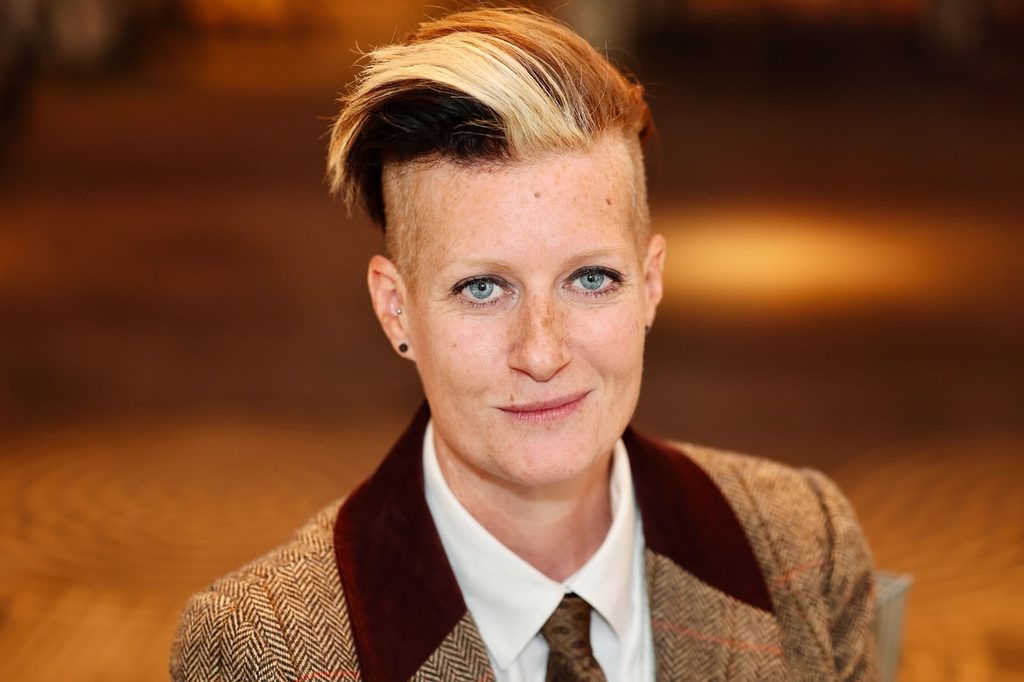
Kat Parsons is CEO of Diversity Umbrella, which delivers national and international diversity awards, cross-sector membership communities and initiatives focused on advancing inclusion and workplace belonging. Find out more at www.workplacebelongingweek.com.
RELATED ARTICLES
Employee networks and inclusion leaders working behind the scenes to create fairer, more inclusive workplaces have been recognised at the Employee Network Awards 2026, celebrating the people turning workplace inclusion from words into meaningful action.
How psychological safety can determine whether disabled and neurodivergent employees feel able to ask for support, request workplace adjustments and contribute with confidence.
The shortlist for the European Diversity Awards 2026 has been announced, celebrating the individuals and organisations driving meaningful progress on diversity, equity and inclusion across Europe.
British Diversity Awards announce this year’s winners, recognising the individuals and organisations leading the charge for DEI across the UK.