









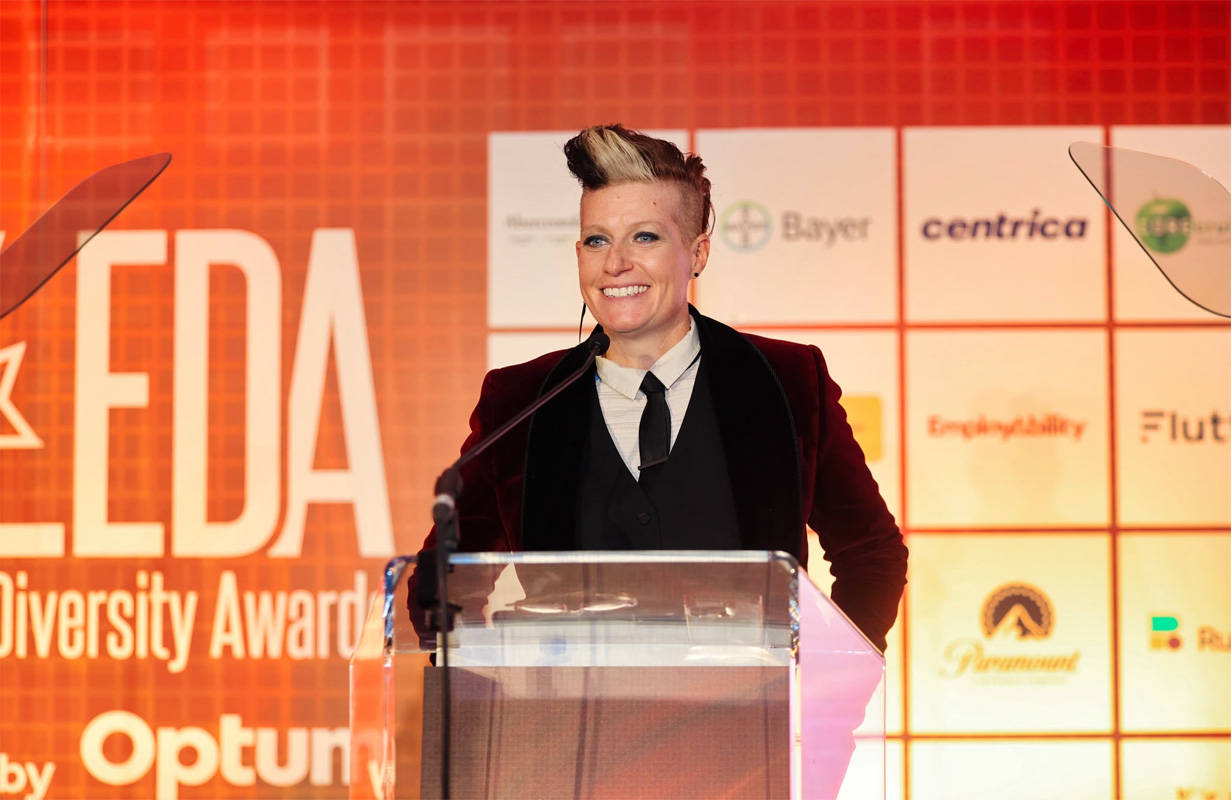
From Deutsche Bank and LSEG to Parliament, BDO and the European Diversity Awards, Workplace Belonging Week 2026 sparked powerful conversations about inclusion. Diversity Umbrella CEO Kat Parsons reflects on five days of events and why vulnerability, courage and listening are essential to creating workplaces where everyone belongs.
Six events. Five days. Hundreds of conversations. And one question running through everything: what does it really take to create a workplace where people feel they belong?
Our inaugural Workplace Belonging Week, proudly supported by headline sponsor Deutsche Bank, brought together leaders, organisations and individuals from across sectors to challenge thinking, share experiences and explore what belonging looks like in practice.
From Deutsche Bank and the London Stock Exchange Group (LSEG) to the House of Commons, giffgaff and our closing Summit at BDO, the week was packed with powerful conversations. We concluded with the European Diversity Awards, celebrating those driving meaningful change across Europe.
In my earlier Fair Play Talks column, I explored why workplace belonging must become everyone’s responsibility. This week brought that message to life.
What struck me most wasn’t how different the conversations were, but how connected they became.
MONDAY: CULTURE IS THE WATER WE SWIM IN
We opened at Deutsche Bank with a fascinating discussion about organisational culture, psychological safety and the courage to have uncomfortable conversations. One analogy, shared by the Metropolitan Police, particularly resonated: culture is the water we swim in. We can recruit the most talented people, invest in attraction campaigns and celebrate diversity, but if we bring people into the wrong environment, the water itself can become toxic.
Belonging isn’t simply about getting people through the door. It’s about creating the conditions in which they can thrive. We explored the importance of leaders being open about their own experiences, particularly around neurodivergence, and how vulnerability can give others permission to be themselves.
We also challenged the risk of ‘initiative-itis’: organisations launching endless inclusion initiatives without the consistency needed to embed meaningful change. And we explored the concept of ‘glocal’ inclusion, balancing global ambition with local cultural understanding. Because what works in one country, community or workplace may not translate directly into another.
TUESDAY: OPENING THE FILING CABINETS
At London Stock Exchange Group, we celebrated our Workplace Belonging Changemakers: 20 inspiring individuals and 10 organisations recognised for advancing belonging. But the evening’s discussion about the hidden sides of diversity and inclusion was particularly moving. We heard from carers, parents, a trans colleague and a cancer survivor about the experiences they carry into work every day, often without their colleagues knowing.
These weren’t stories about policies or programmes. They were stories about people. I spoke about the importance of opening the filing cabinets: the personal experiences, challenges and identities that we often keep hidden in professional environments. Too often, organisations approach inclusion through categories, characteristics and tick boxes. But real lives don’t fit neatly into those boxes.
For me, vulnerability is one of the greatest powers a leader can demonstrate. When we share our own experiences, we create space for others to do the same. One attendee commented that these were conversations they had never heard in the workplace before, but desperately needed to hear. That, for me, captured exactly why we created this week.
WEDNESDAY: LEADERSHIP, VULNERABILITY AND THE FEAR OF GETTING IT WRONG
At the House of Commons, hosted by Dawn Butler MP, we explored the growing complexities of leadership. Today’s leaders are navigating increasingly polarised conversations, changing expectations and the fear of saying the wrong thing.
Many described feeling as though they were walking on eggshells. We discussed the fear of judgement, lack of confidence and avoidance of conflict, and how these can lead to silence. But silence isn’t a neutral position. And it certainly isn’t leadership.
A recurring question emerged: have we become so focused on appearing composed, confident and in control that we’ve forgotten the value of being human? We challenged the traditional image of the leader who must always appear cool and collected, instead exploring authenticity, reflection and the courage to acknowledge uncertainty.
Leadership isn’t about having every answer. It’s about creating an environment where people feel safe enough to ask difficult questions, challenge thinking and admit when something isn’t working.
THURSDAY: FIVE GENERATIONS, ONE WORKPLACE
At giffgaff, we turned our attention to the increasingly multigenerational workforce. With up to five generations working alongside one another, how do organisations create environments that connect rather than divide?
We explored differences in communication preferences, expectations of leadership, recognition, reward and workplace language. But perhaps the most important message was that generational labels can become another form of stereotyping.
Not every Gen Z employee wants the same thing. Not every Baby Boomer communicates in the same way. Rather than designing workplaces around assumptions, we need to understand individuals. Belonging requires curiosity, flexibility and a willingness to adapt.
FRIDAY: ONE WORD THAT SAID EVERYTHING
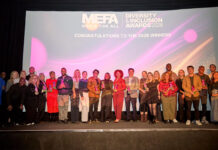
Our Workplace Belonging Week Summit at BDO brought together conversations about workplace environments, hybrid working, employee networks and the practical responsibilities of leadership. The importance of employee networks was particularly relevant following this year’s Employee Network Awards, which recognised the often-unsung individuals and groups helping colleagues feel supported, represented and included.
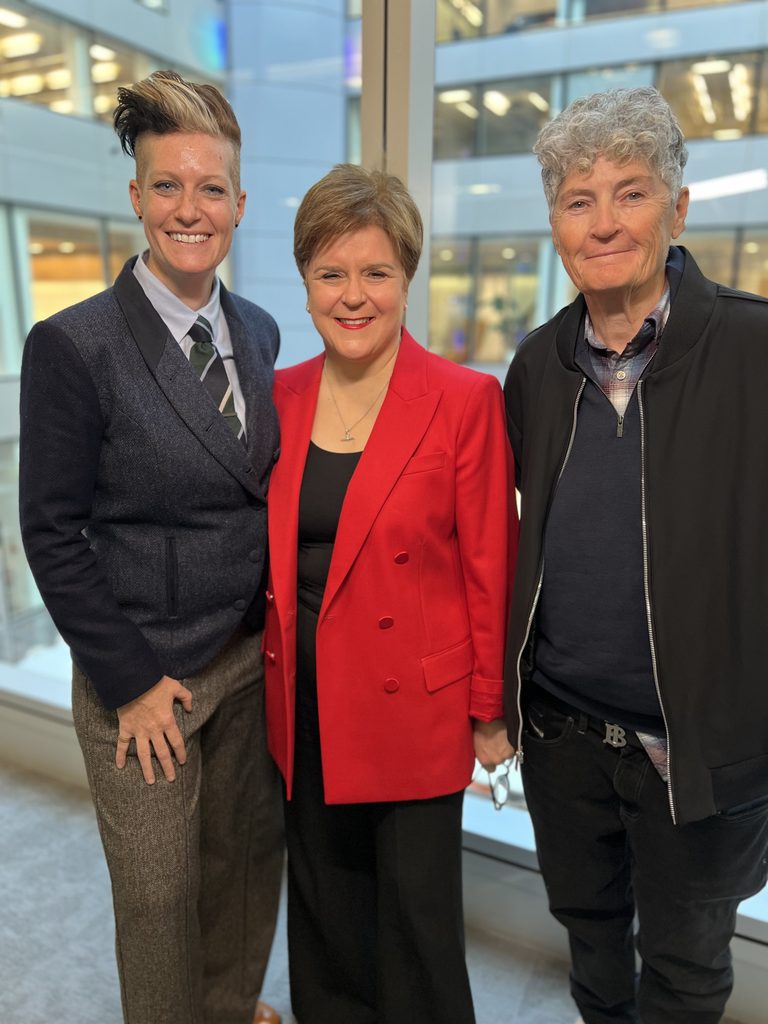
A personal highlight was my fireside conversation with former Scottish First Minister Nicola Sturgeon. We explored the realities of leadership, the personal cost of public life, resilience, vulnerability and the importance of reflection.
Nicola spoke candidly about growing up as a shy child and how, even today, she would rather address 10,000 people than attend an intimate dinner with ten. Yet she continues to challenge herself, practise and grow.
We discussed how social media and the demand for instant responses have transformed leadership, leaving less time for thoughtful reflection, collaboration and considered decisions. We also explored the importance of examining where things have gone wrong, including lessons from the COVID-19 pandemic and the scrutiny of subsequent inquiries.
But one moment stood above everything. I asked Nicola: “If you could give one piece of advice to leaders in this room about creating workplaces where people genuinely feel they belong, what would it be?” Her answer was beautifully simple. “Listen.”
One word. Yet perhaps the most important message of the entire week.
FROM CONVERSATION TO MEANINGFUL CHANGE
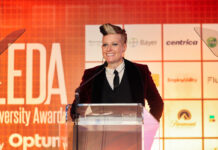
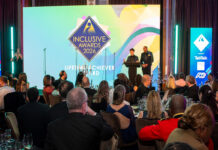
We closed the week with the European Diversity Awards 2026, celebrating extraordinary individuals and organisations advancing inclusion across Europe. It was a fitting conclusion to five days that reminded us why recognition matters, but also why the conversations between those moments of celebration are equally important.
Across six events, one theme emerged repeatedly: belonging cannot be manufactured through policies, campaigns or initiatives alone. It requires consistency. Courage. Reflection. Vulnerability. And leaders willing to listen, even when the conversations are uncomfortable.
As we look ahead, my hope is that Workplace Belonging Week becomes more than an annual moment in the calendar. Because belonging isn’t something we achieve in five days. It’s something we build through what we do, what we say, what we challenge and, perhaps most importantly, how well we listen.
ABOUT THE AUTHOR
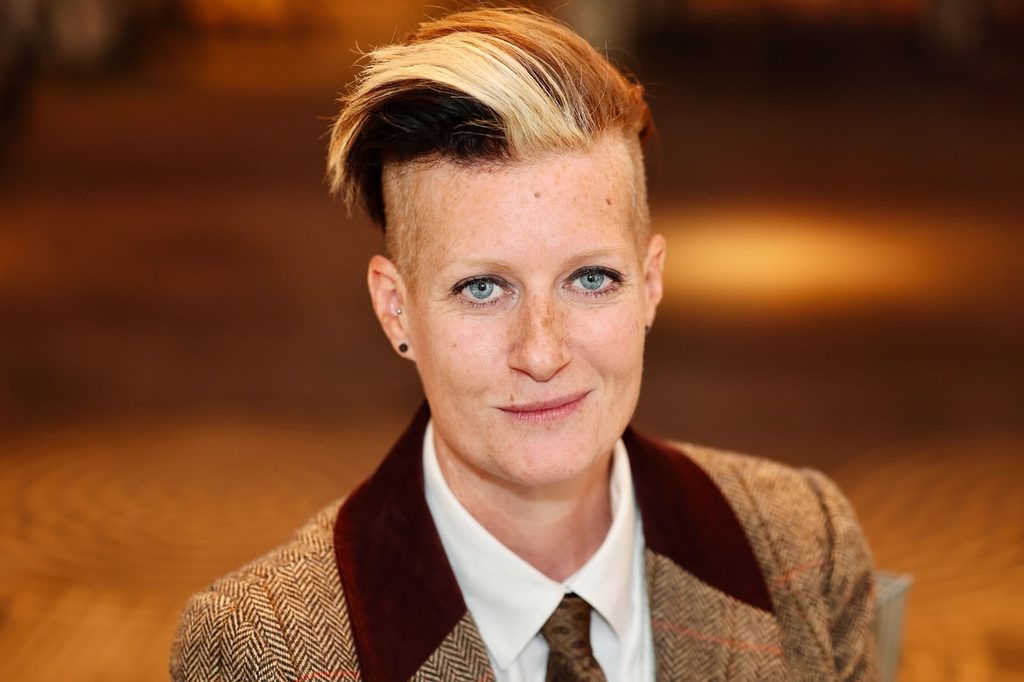
Kat Parsons is CEO of Diversity Umbrella, the organisation behind the European Diversity Awards, British Diversity Awards, Employee Network Awards and initiatives including Workplace Belonging Week. She works with business leaders and organisations to advance inclusive leadership, workplace culture and meaningful belonging.
RELATED ARTICLES
As Workplace Belonging Week approaches, Kat Parsons, CEO of Diversity Umbrella, explores why creating genuinely inclusive workplaces requires more than policies, representation and awareness campaigns.
To mark Workplace Belonging Week 2026, twenty individuals and 10 organisations have been recognised for their contributions to creating workplaces where people feel valued, supported and able to thrive.
Workplace Belonging Week 2026 will bring together business leaders, inclusion experts, policymakers and changemakers across London over the next five days.
Employee networks and inclusion leaders working behind the scenes to create fairer, more inclusive workplaces have been recognised at the Employee Network Awards 2026,
This year’s European Diversity Awards have revealed the individuals, organisations and employee networks driving meaningful progress in diversity, equity and inclusion across Europe.